

Qual è la relazione tra cloruro di colina e cloruro di clormequat?
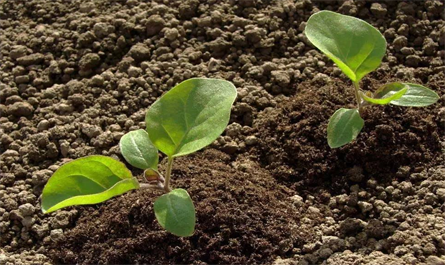
Il cloruro di colina e il cloruro di clormequat sono omologhi; sebbene condividano somiglianze, possiedono anche numerose differenze.
Il cloruro di clormequat non viene facilmente metabolizzato nei tessuti vegetali, mentre il cloruro di colina può essere rapidamente utilizzato dalla pianta.
Choline Chloride is low in toxicity and is easily decomposed by microorganisms once it enters the soil, endowing it with broad potential for development and application.
During plant growth, after being absorbed by the stems, leaves, and roots, Choline Chloride is rapidly translocated to the sites where it exerts its physiological effects. Promuove la fotosintesi fogliare, inibisce la fotorespirazione nelle piante C3 e stimola lo sviluppo del sistema radicale. Furthermore, it facilitates the maximum possible translocation of photosynthetic products to underground tubers and storage roots, thereby significantly increasing the yield and improving the quality of these underground storage organs. It enhances various physiological activities within plants, boosting crop seed germination rates, promoting rooting, fostering the development of robust seedlings, increasing yields, and improving overall crop quality. It increases the content and proportion of phosphatidylcholine within the plasma membrane, thereby influencing membrane structure and stability and reducing ion leakage. Inoltre, agisce come spazzino dei radicali liberi dell’ossigeno, come gli anioni superossido e i radicali idrossilici, che sono dannosi per le cellule vegetali, svolgendo un ruolo cruciale nell’aiutare le piante a resistere a stress ambientali come basse temperature, luce debole e siccità.
Il Chlormequat Chloride è un regolatore della crescita delle piante a base di ammonio quaternario attualmente ampiamente utilizzato nel mio paese. It can be absorbed by plants through their leaves, tender shoots, buds, and root systems, and subsequently translocated to the sites where it exerts its effects.
La sua funzione primaria è quella di inibire la biosintesi delle gibberelline. Physiologically, it serves to control excessive vegetative growth (etiolation), promote reproductive growth, and shorten internodes, resulting in plants that are shorter, sturdier, and more robust, with well-developed root systems and enhanced resistance to lodging. Allo stesso tempo, intensifica il colore delle foglie, aumenta lo spessore delle foglie e il contenuto di clorofilla e migliora l'attività fotosintetica. Di conseguenza, migliora il tasso di allegagione dei frutti in alcune colture, migliora la qualità dei frutti e dei semi, aumenta i raccolti e aumenta la resistenza delle colture alla siccità, al freddo, ai parassiti e alle malattie.
Chlormequat Chloride is an excellent plant growth regulator suitable for use on cotton, wheat, maize, rice, tobacco, tomatoes, and various root crops.
It reduces plant height, thickens stems, intensifies leaf color, prevents excessive vegetative growth and lodging, and improves the crops' tolerance to drought, waterlogging, and saline-alkaline conditions. Presenta una leggera tossicità per l'uomo e gli animali. Particolare attenzione deve essere prestata al fatto che il Chlormequat Chloride non deve essere miscelato con pesticidi alcalini. La sua soluzione acquosa è stabile ma corrosiva per i metalli; pertanto, deve essere conservato in contenitori di vetro, plastica ad alta densità, gomma o metallo rivestito con resina epossidica. Viene rapidamente degradato dai microrganismi presenti nel terreno.