

Physicochemical Properties and Formulation Forms of Gibberellic Acid GA3
Gibberellic Acid (GA3) is a plant hormone that promotes stem and leaf growth, reduces the shedding of cotton buds and bolls, increases barley yields, and improves fruit set rates for crops such as grapes, citrus, and pears.
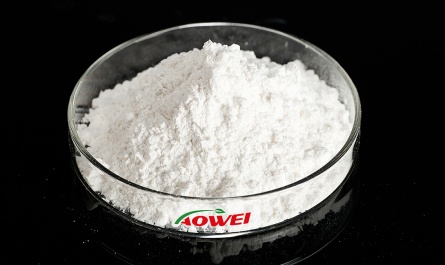
I. Physicochemical Properties of Gibberellic Acid:
성상: 백색 결정성 분말. Melting point: 233–235°C (decomposition). Soluble in alcohols, acetone, ethyl acetate, sodium bicarbonate solution, and pH 6.2 phosphate buffer; 물과 디에틸 에테르에 거의 용해되지 않습니다. Aqueous solutions are acidic and unstable (prone to losing efficacy). Decomposes easily in the presence of alkalis. 황산과 접촉하면 진한 빨간색으로 변합니다.
Production Method: Gibberellic Acid can be mass-produced via fermentation. *Gibberella fujikuroi* (a type of *Fusarium* fungus) is cultured in a medium containing wheat bran, sucrose, and inorganic salts; the fungus produces Gibberellic Acid as a metabolic byproduct. The fermentation broth undergoes solvent extraction and concentration to yield Gibberellic Acid crystals.
Uses: Gibberellic Acid (GA3) is a plant growth hormone that promotes stem and leaf growth, induces early bolting and flowering, stimulates the germination of seeds, tubers, and root tubers, and encourages fruit growth, increasing fruit set rates or inducing the formation of seedless fruit. It increases yields for crops such as potatoes, tomatoes, rice, wheat, cotton, soybeans, peas, tobacco, and fruit trees.
However, excessive application of Gibberellic Acid (GA3) can cause plants to develop thin, yellow shoots—a condition known as chlorosis or "leggy" growth—which can actually reduce yields. Gibberellic Acid (GA3) is also used in the production of malt from barley. 또한 곤충의 발달을 촉진합니다.
Production and Handling Precautions:
1. 지베렐린산(GA3)은 물에 불용성입니다.
2. 가수분해되기 쉽다.
3. It is heat-sensitive; 저온 보관을 권장합니다.
4. 유통기한이 짧습니다.
5. It has multiple functions, but different crops exhibit varying levels of sensitivity, requiring specific treatment approaches;
6. 분말 제제는 우수한 안정성을 제공합니다. II. 지베렐린산 제제:
Powders, soluble powders, effervescent formulations, soluble tablets, pastes; aqueous solutions, emulsifiable concentrates, liquid formulations.
I. Physicochemical Properties of Gibberellic Acid:
성상: 백색 결정성 분말. Melting point: 233–235°C (decomposition). Soluble in alcohols, acetone, ethyl acetate, sodium bicarbonate solution, and pH 6.2 phosphate buffer; 물과 디에틸 에테르에 거의 용해되지 않습니다. Aqueous solutions are acidic and unstable (prone to losing efficacy). Decomposes easily in the presence of alkalis. 황산과 접촉하면 진한 빨간색으로 변합니다.
Production Method: Gibberellic Acid can be mass-produced via fermentation. *Gibberella fujikuroi* (a type of *Fusarium* fungus) is cultured in a medium containing wheat bran, sucrose, and inorganic salts; the fungus produces Gibberellic Acid as a metabolic byproduct. The fermentation broth undergoes solvent extraction and concentration to yield Gibberellic Acid crystals.
Uses: Gibberellic Acid (GA3) is a plant growth hormone that promotes stem and leaf growth, induces early bolting and flowering, stimulates the germination of seeds, tubers, and root tubers, and encourages fruit growth, increasing fruit set rates or inducing the formation of seedless fruit. It increases yields for crops such as potatoes, tomatoes, rice, wheat, cotton, soybeans, peas, tobacco, and fruit trees.
However, excessive application of Gibberellic Acid (GA3) can cause plants to develop thin, yellow shoots—a condition known as chlorosis or "leggy" growth—which can actually reduce yields. Gibberellic Acid (GA3) is also used in the production of malt from barley. 또한 곤충의 발달을 촉진합니다.
Production and Handling Precautions:
1. 지베렐린산(GA3)은 물에 불용성입니다.
2. 가수분해되기 쉽다.
3. It is heat-sensitive; 저온 보관을 권장합니다.
4. 유통기한이 짧습니다.
5. It has multiple functions, but different crops exhibit varying levels of sensitivity, requiring specific treatment approaches;
6. 분말 제제는 우수한 안정성을 제공합니다. II. 지베렐린산 제제:
Powders, soluble powders, effervescent formulations, soluble tablets, pastes; aqueous solutions, emulsifiable concentrates, liquid formulations.