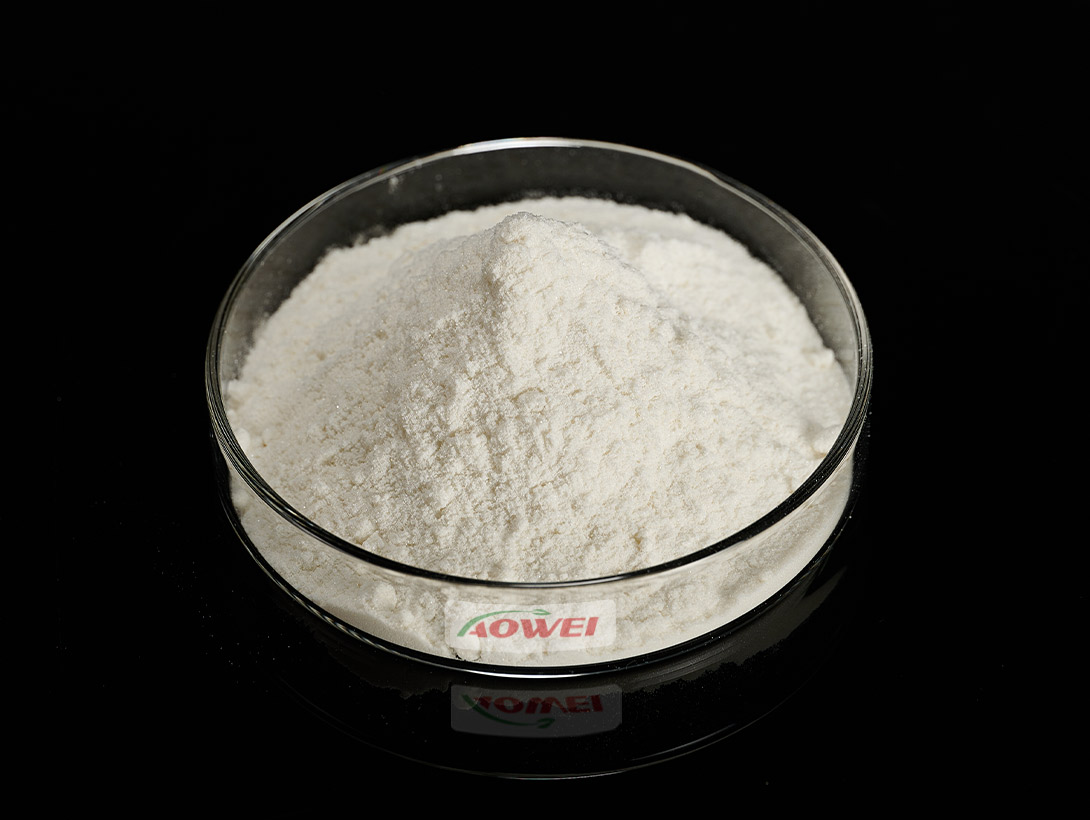
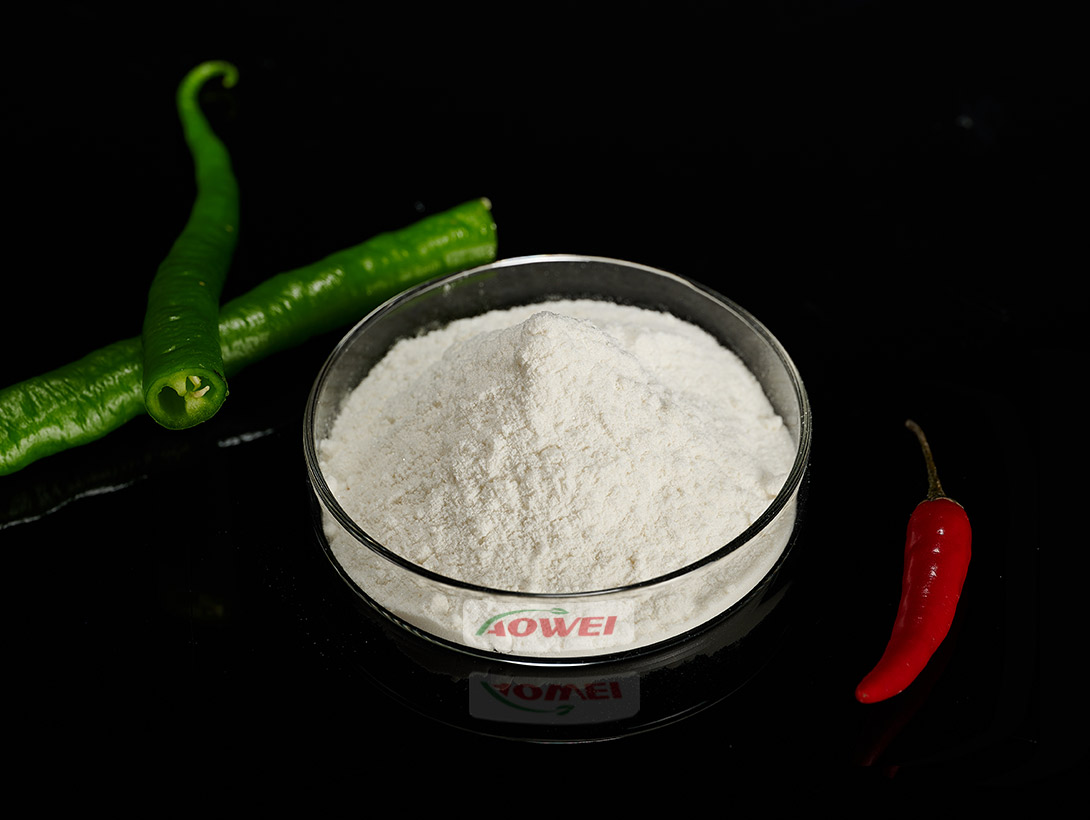
a rooting agent formulated with 6-Benzylaminopurine (6-BA) and Naphthyl Acetic Acid (NAA) is a plant growth regulator that combines the activities of cytokinins and auxins, promoting root development and plant growth through synergistic action.
Mechanism of Action and Effects: In this formulation, 6-Benzylaminopurine, as a cytokinin, primarily promotes cell division and differentiation, delays leaf senescence, and provides nutritional support for rooting. Naphthyl Acetic Acid, as an auxin analog, stimulates the division of inner sheath cells in the root, inducing adventitious root formation. The combination of the two enhances the rooting effect, specifically by accelerating root primordia differentiation, increasing the number of lateral roots, improving the survival rate of cuttings, and enhancing the overall robustness of the plant, making it suitable for the propagation of plants that are difficult to root. Typical Application Scenarios and Usage Methods:
Fruit Trees and Forest Trees: In the propagation of grapes, poplars, etc., by cuttings, a common practice is to soak the base of the cuttings in a 5% soluble powder solution diluted 250-500 times for 8-12 hours to promote rooting and sprouting.
Vegetables and Flowers: After transplanting cucumbers, a 1.05% aqueous solution diluted 4000-6000 times can be sprayed; or in rice at the one-leaf-one-heart stage, a 50% wettable powder solution diluted 25000-33000 times can be sprayed to shorten the seedling establishment time and enhance stress resistance.
Tissue Culture: In the in vitro culture of plants such as safflower, an optimized formula such as NAA 2.0 mg/L + 6-BA 4.0 mg/L can significantly improve callus formation rate and regenerated shoot stability.