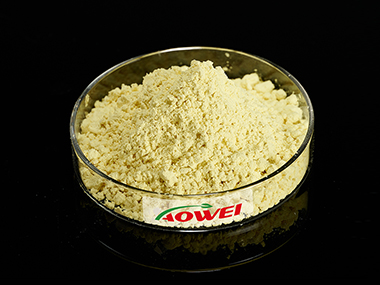
Plant growth regulators are effective tools for breaking seed dormancy and significantly boosting germination vigor and rates; they represent a mature technology for regulating seed germination in agricultural production.
Core Mechanisms of Action
Breaking Seed Dormancy:By regulating the balance of endogenous hormones, they counteract germination-inhibiting substances (such as abscisic acid) and overcome dormancy barriers—such as seed coat hardening or the need for physiological after-ripening—thereby rapidly transitioning dormant seeds into a state of germination.
Improving Germination Quality:They promote cell elongation and division and activate internal enzymes, resulting in more uniform and rapid seedling emergence; ultimately, this enhances both germination vigor (the capacity for concentrated, synchronous germination) and the overall germination rate.
Common Regulators and Their Effects
Gibberellic Acid (GA₃):The most widely used regulator for breaking dormancy; it can substitute for the low-temperature or light conditions typically required for germination. Soaking citrus or peach seeds in a 1000 mg/L GA₃ solution for 24 hours increases germination rates by over 30%, while soaking potato tubers in 0.5–1 mg/L GA₃ for 10–15 minutes cuts the dormancy period in half.
Brassinosteroids:These enhance seed stress resistance by regulating hormonal balance. Effects are visible within 12–24 hours of soaking, leading to more robust seedling emergence in crops like wheat and corn and improving germination stability under adverse environmental conditions.
Triacontanol: Soaking seeds in low concentrations promotes the conversion of internal substances and shortens germination time while enhancing seedling drought resistance; it is suitable for a wide range of field crops and vegetables.
Sodium Nitrophenolate: A comprehensive germination-promoting regulator; it rapidly reactivates seeds after soaking, ensuring uniform emergence and maintaining high germination rates even under unfavorable conditions, such as low temperatures.