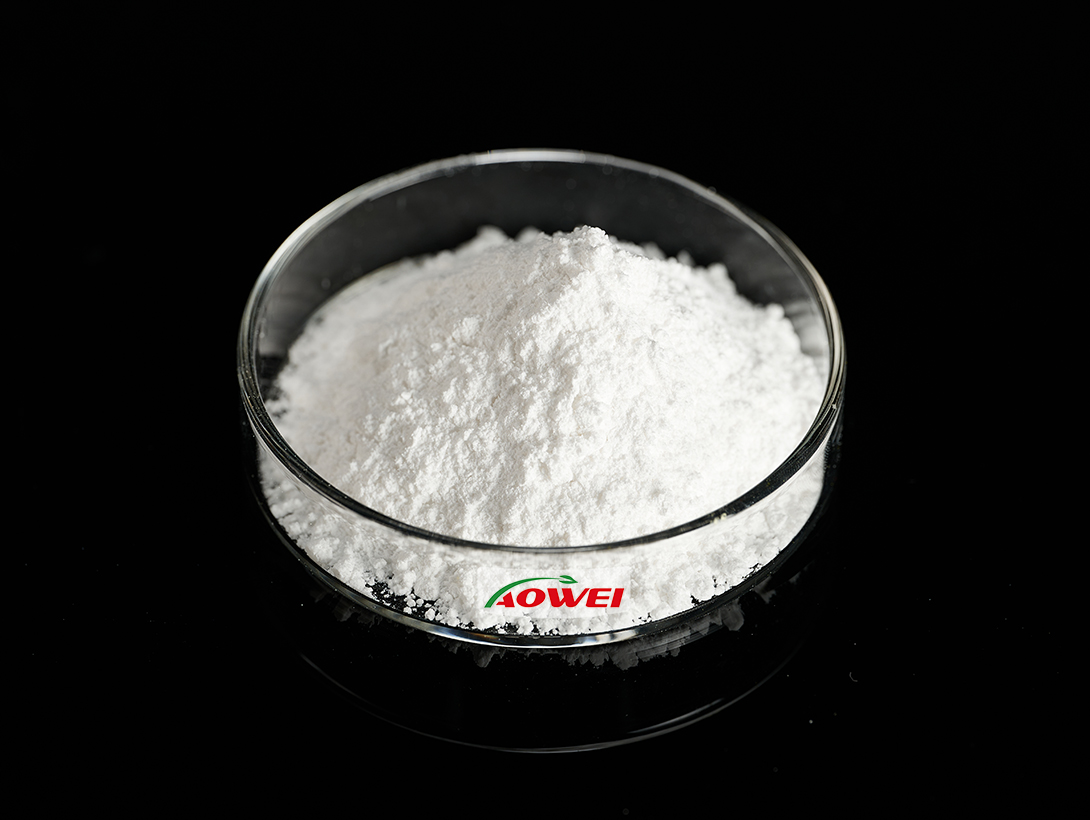
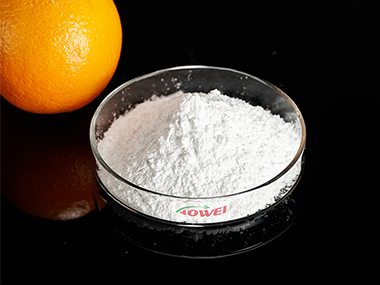
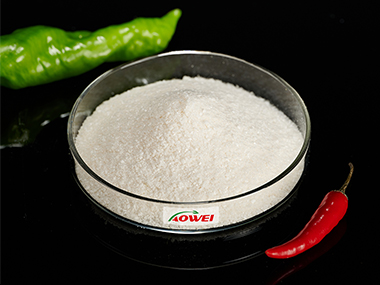
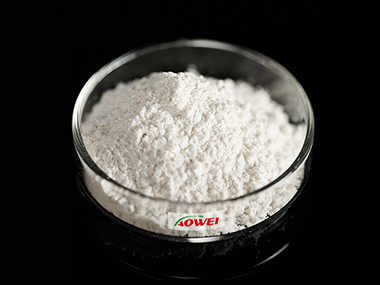
DCPTA is a highly effective plant growth regulator that effectively promotes the enlargement of radish fleshy roots, resulting in smooth skin and a crisp, sweet texture. It achieves these effects by enhancing photosynthesis, regulating the plant's internal hormonal balance, and improving the efficiency of nutrient uptake and utilization.
Its specific mechanisms of action include:
Promoting Cell Division and Enlargement:DCPTA stimulates cellular activity within the roots, accelerating the development of the fleshy root and significantly increasing the radish's individual weight and marketability.
Improving Quality: Application of DCPTA increases the content of vitamins, amino acids, and free sugars in the radish, resulting in a crisp, sweet flavor; simultaneously, the skin develops more uniformly, becoming smoother and cleaner in appearance.
Enhancing Stress Resistance:It regulates water balance, thereby increasing the radish's tolerance to adverse environmental conditions—such as drought and low temperatures—and ensuring stable growth.
Delaying Senescence: It inhibits the degradation of chlorophyll and proteins, maintaining plant vitality and extending the harvest period.
Recommended Application Method:
Foliar Spraying: During the mid-to-late stages of radish growth (specifically the fleshy root enlargement phase), uniformly spray a DCPTA solution at a concentration of **20–30 mg/L**. Apply once every 7–10 days for a total of 2–3 consecutive applications.
For enhanced efficacy, it can be mixed and applied in combination with foliar fertilizers such as monopotassium phosphate, chelated calcium, or urea.
Note:Avoid application during periods of intense sunlight or high temperatures; it is recommended to perform the application in the early morning or late evening.