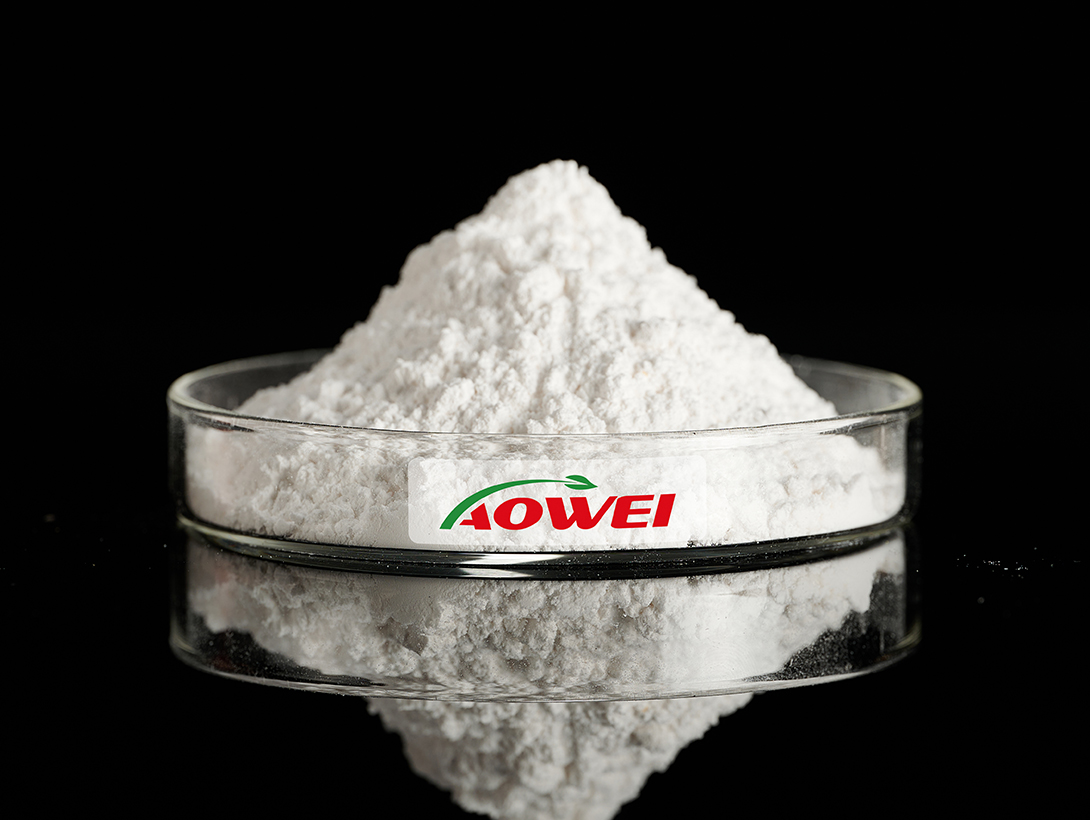
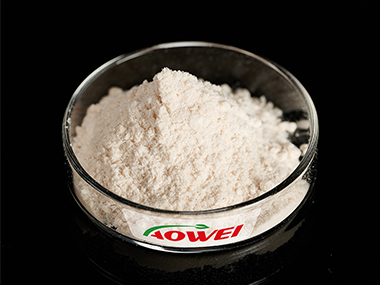
DCPTA significantly promotes the development of sesame capsules, enhances seed plumpness, and increases oil content; its mechanism of action is well-defined, and its efficacy has been validated across a wide range of oilseed crops.
Core Functions and Effects of DCPTA:
DCPTA Promotes Capsule Development and Retention:
By enhancing photosynthetic efficiency—specifically by increasing leaf chlorophyll content and net photosynthetic rates—DCPTA boosts the supply of photosynthetic products at the "source" end, thereby stimulating development at the "sink" end (the capsules). It effectively reduces flower and capsule abscission, increases the number of effective capsules per plant by 20–25, and significantly improves the fruit-setting rate.
DCPTA Enhances Seed Plumpness and Thousand-Grain Weight:
Exogenous DCPTA treatment upregulates the expression of sucrose synthase, invertase, and fructokinase, thereby facilitating the accumulation and conversion of sucrose within the seeds and enhancing the transport of dry matter to the seeds. This directly results in plumper seeds, reduces the rate of empty capsules from 20% to below 8%, and significantly increases the thousand-grain weight.
DCPTA Significantly Increases Oil Content and Quality:
DCPTA activates the expression of genes associated with fatty acid (FA) biosynthesis—particularly during the mid-stage of seed development (approximately 30 days post-anthesis, DPA)—and significantly enriches the synthesis pathways for unsaturated fatty acids such as oleic acid and linoleic acid, ultimately boosting the oil content of sesame seeds to nearly 55%. Furthermore, by regulating key genes such as DGAT1 and PDAT1, it further enhances the accumulation of triacylglycerols (TAGs).
DCPTA: Safe, Efficient, and Highly Compatible:
DCPTA is a non-hormonal plant growth regulator; it is non-toxic, leaves no residues, and is safe for both humans and animals. It can be formulated in combination with nutritional elements—such as boron, phosphorus, and brassinolide—to synergistically improve pollination success rates and enhance stress resistance. Recommended Application Protocol:
Concentration: Apply via foliar spray at a concentration of 10–15 ppm; avoid excessive concentrations, which may inhibit growth.
Application Timing: Apply 1–2 times during the period ranging from early flowering to full bloom, focusing on promoting capsule formation and grain filling.
Mixing Suggestions: Can be mixed with foliar fertilizers containing boron, phosphorus, and brassinolide to enhance fruit-setting rates and improve lodging resistance.