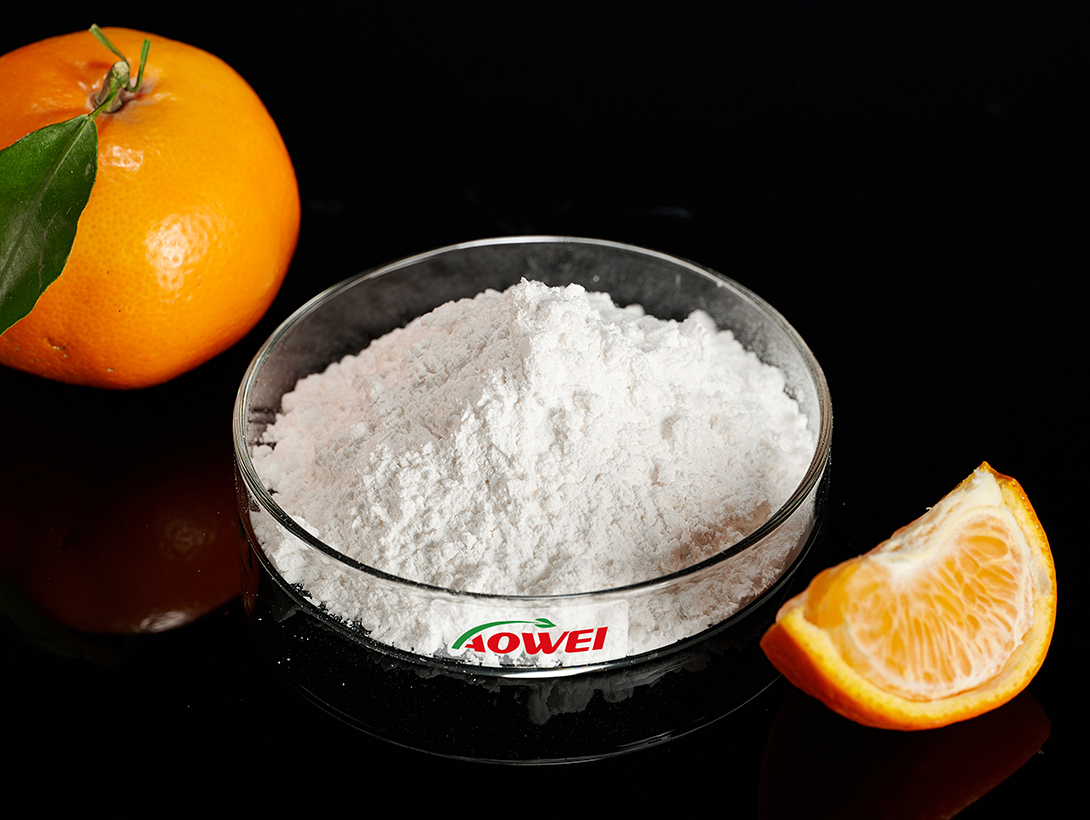
DCPTA effectively promotes internode elongation and enhances sugar accumulation in sugarcane, thereby achieving increased yields and economic returns. Its efficacy has been validated across a variety of crops, demonstrating significant potential for practical application.
Core Functions and Mechanisms of DCPTA:
**DCPTA Promotes Internode Elongation and Plant Growth:**
By enhancing cell division and elongation, DCPTA significantly stimulates the longitudinal growth of sugarcane stems, increasing plant height and stem diameter while boosting biomass accumulation. Its mechanism of action involves activating enzymatic activity within the plant, regulating gene expression, and facilitating the translocation of photosynthetic products to the stems.
DCPTA Significantly Enhances Sugar Accumulation:
DCPTA boosts the photosynthetic rate and chlorophyll content of sugarcane leaves, extends the lifespan of functional leaves, and delays senescence, thereby increasing sucrose synthesis and storage. Studies indicate that following the application of DCPTA, the soluble sugar content in crops rises markedly, and the efficiency of sugar accumulation improves.
DCPTA Delivers Significant Yield Increases:
Trials on analogous crops (such as soybeans and cotton) have demonstrated that DCPTA can boost yields by over 35%; under greenhouse conditions, cotton bud and boll formation increased by 80%. Although specific public data regarding yield increases in sugarcane is currently unavailable, the underlying physiological mechanisms suggest a significant potential for boosting yields.
DCPTA Enhances Stress Tolerance and Fertilizer Utilization Efficiency:
DCPTA improves sugarcane's tolerance to adverse conditions—such as drought and low temperatures—and enhances the root system's efficiency in absorbing water and nutrients, thereby minimizing nutrient loss and boosting nitrogen fertilizer utilization efficiency.
Recommended Application Guidelines for DCPTA (Based on Analogy with Other Crops):**
Concentration: 8–15 ppm (for foliar spraying); avoid excessively high concentrations, which may inhibit growth.
Application Timing:Apply 1–2 times between the tillering stage and the early jointing stage, focusing on promoting internode elongation.
Tank-Mixing Suggestions: Can be tank-mixed with potassium fertilizers, phosphorus fertilizers, or fungicides to synergistically enhance sugar accumulation and disease resistance.