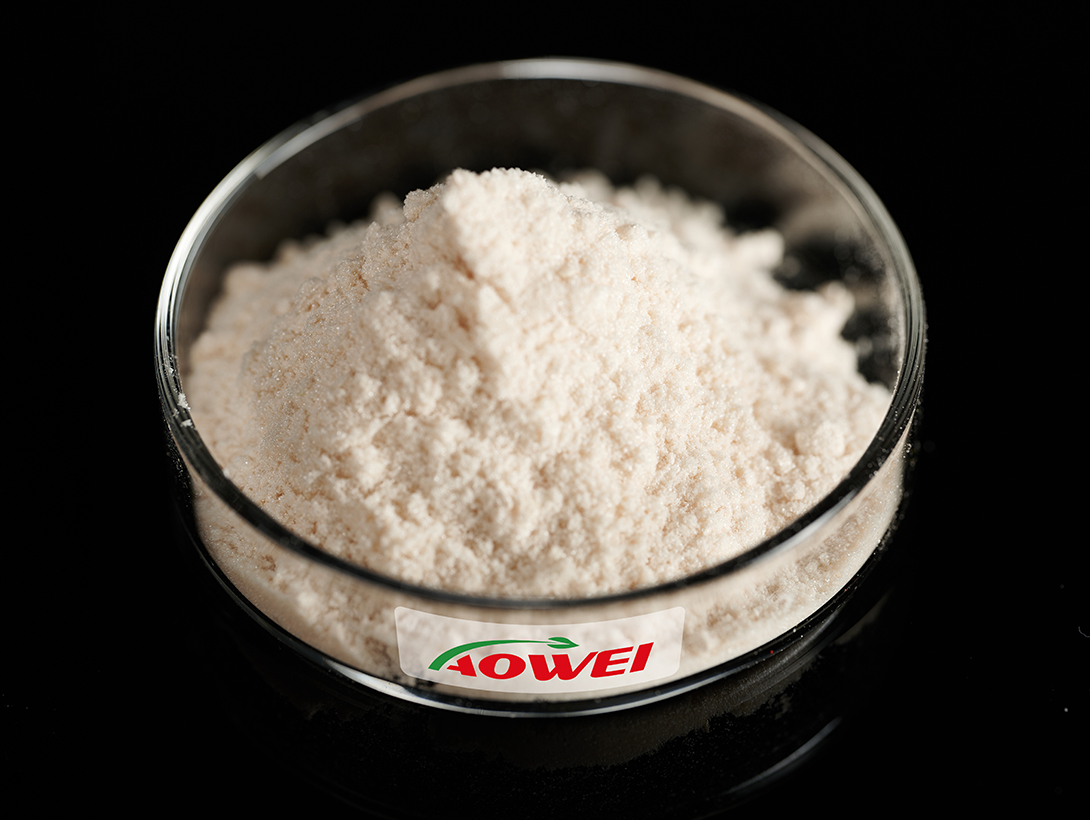
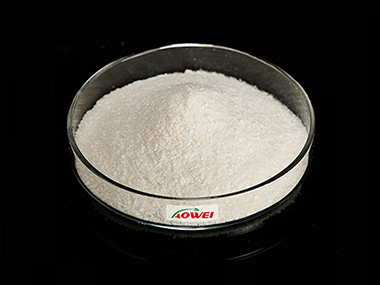
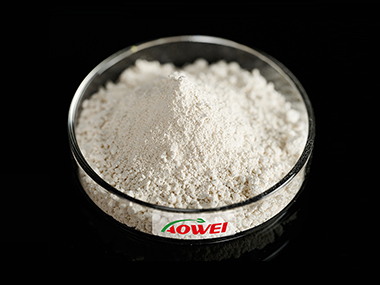
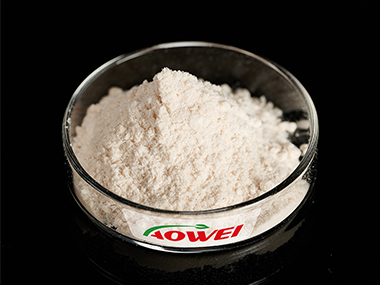
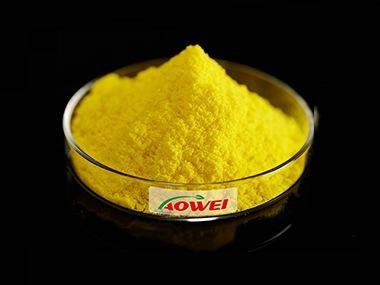
Mepiquat chloride regulates the balance between vegetative and reproductive growth by inhibiting gibberellin synthesis in sweet potatoes. It suppresses excessive vine elongation and reduces the waste of nutrients, thereby forcing the translocation of photosynthetic products to the underground storage roots and promoting root enlargement. Additionally, it strengthens the plant and enhances its stress resistance.
**Scientific Application Methods for Mepiquat Chloride**
**Timing of Application:** In high-rainfall areas, spray when vines reach approximately 1 meter in length; in low-rainfall areas, spray when vines reach 0.8 meters. For fields with abundant water and fertilizer, a follow-up application can be made after 15–20 days; applications can also be timed for the early tuber formation stage or the period of rapid tuber expansion.
**Reference Dosage:** Dilute 10% mepiquat chloride soluble powder according to the recommended dosage, or use a 5,000-fold dilution of the 25% aqueous solution. Spray 40 kg of the solution per mu. Tank-mixing with potassium dihydrogen phosphate can further boost yield.
**Key Precautions for Mepiquat Chloride**
Do not use on barren or drought-prone dryland fields, as this may cause plant stunting and undersized tubers, ultimately reducing yield.
Prioritize the use of officially registered and compliant products. Apply strictly according to recommended concentrations; do not arbitrarily increase the dosage, as this may cause phytotoxicity.
For long-vine varieties, apply a light treatment when seedlings are about 25 cm tall; for medium-to-short-vine varieties, make the first application when seedlings are 35–40 cm tall, tailoring the treatment to the growth characteristics of the specific variety.