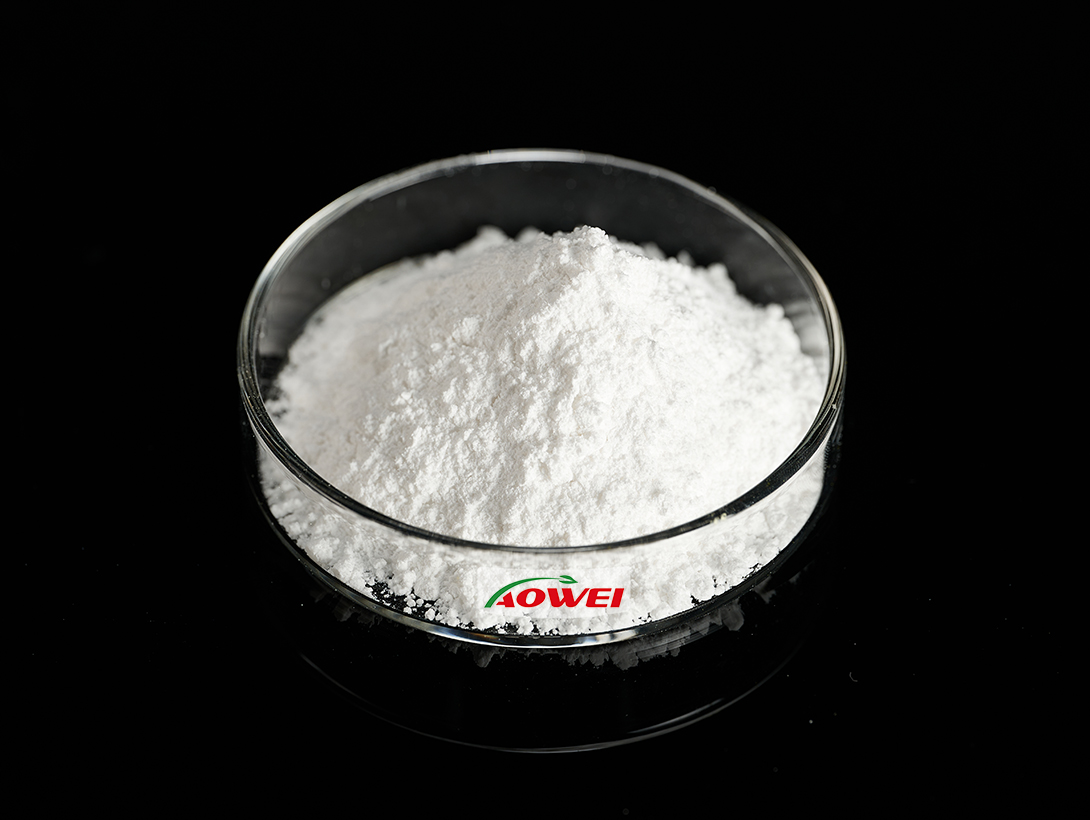
Mepiquat chloride is a systemic plant growth regulator of the piperidine class. Its primary function is to inhibit gibberellin biosynthesis, thereby suppressing cell elongation, retarding vegetative growth, and promoting a compact plant architecture. It offers a high safety profile and is suitable for a wide range of crops.
Core Mechanism of Action
Mepiquat chloride primarily inhibits the activity of key enzymes involved in gibberellin synthesis, lowers endogenous gibberellin levels, and reduces the rate of cell elongation. This shortens internode length, prevents excessive vegetative growth (leggy growth), and results in a compact, sturdy plant structure.
Key Benefits
Controls Excessive Growth & Prevents Lodging:** Reduces plant height and shortens internodes, significantly enhancing the crop's resistance to lodging and minimizing the wasteful consumption of nutrients.
Optimizes Plant Architecture: Controls the growth of lateral branches and unwanted shoots, shapes an ideal compact plant structure, improves field ventilation and light penetration, and reduces the labor required for pruning.
Boosts Yield & Quality: Promotes the translocation of nutrients to reproductive organs (such as fruits and grain spikes), increases fruit/boll setting rates, boosts yields, and improves crop quality.
Enhances Stress Resistance: Promotes root system development and improves the crop's resilience against stresses such as drought and waterlogging; it is also unlikely to cause phytotoxicity when applied during the flowering stage.
Applicable Crops
Widely used on cotton, wheat, corn, rice, peanuts, and soybeans; it is also suitable for tomatoes, eggplants, citrus, apples, and ornamental flowers, making it compatible with the vast majority of common agricultural crops.