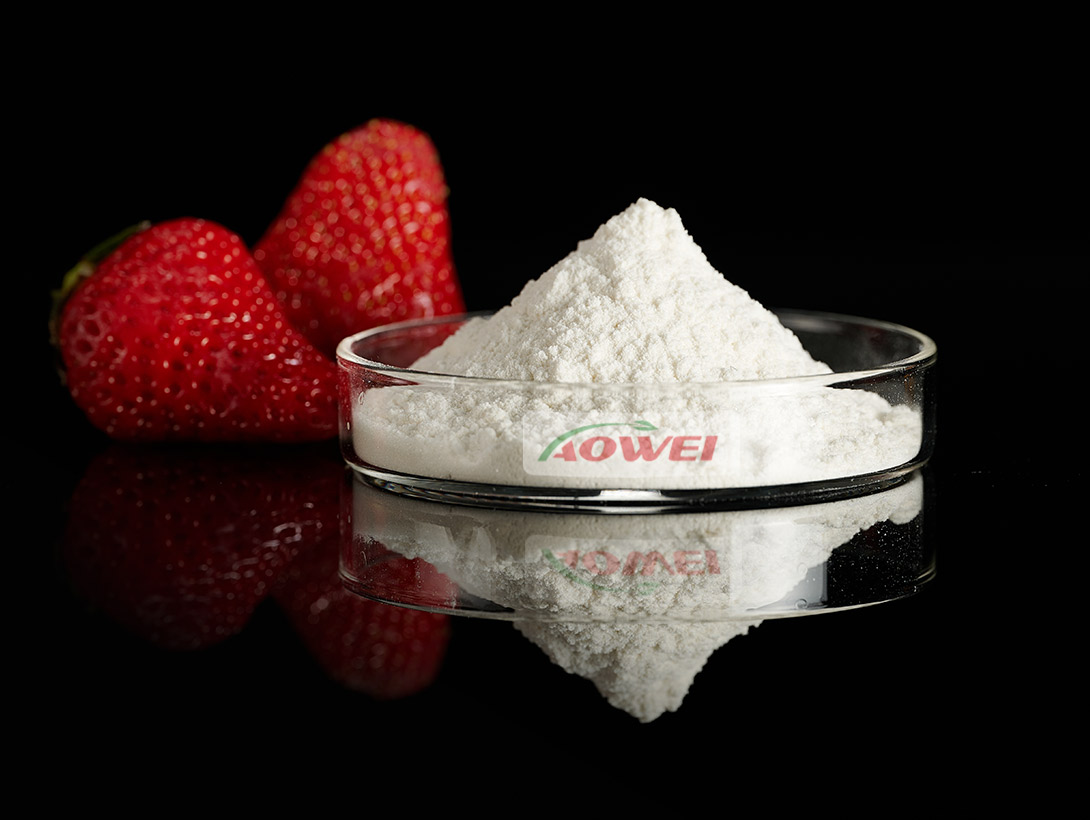
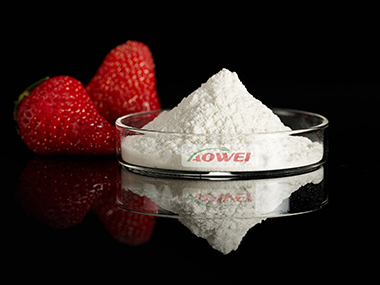
S-Abscisic Acid (S-ABA) has been shown to have clear effects on grape sugar enhancement, coloring, and quality improvement. Its core function is to significantly increase anthocyanin accumulation and promote coloring. However, its effects on sugar enhancement and acid reduction have been the subject of differing research findings:
Core Effects
Color Enhancement: S-Abscisic Acid significantly increases anthocyanin accumulation. This is currently a consensus in the academic community. Multiple studies have confirmed that exogenous application of S-Abscisic Acid can significantly upregulate the expression of anthocyanin synthesis-related genes (such as VvCHS, VvUFGT, and VvDFR) in grape skins, ultimately increasing the total anthocyanin content in the skins. This is applicable to multiple varieties and results in deeper and more uniform grape coloring, effectively solving the problem of poor coloring.
S-Abscisic Acid Sugar Enhancement and Acid Reduction: The effects are inconsistent. Most studies confirm that exogenous S-Abscisic Acid alone... Acid treatment can increase the content of reducing sugars and soluble solids, while decreasing titratable acid content, improving the sugar-acid ratio, and enhancing fruit flavor.
Mechanism of Action: S-Abscisic acid is a core endogenous hormone regulating grape ripening and color change. It promotes soluble sugar accumulation by regulating sugar transport-related processes, while simultaneously activating the expression of key genes in the anthocyanin synthesis pathway, ultimately promoting ripening and improving quality. (International academic research).
Precautions for Use: It is recommended to spray the grape bunches when the grapes have reached 20%–30% ripening, with a recommended concentration of 100–200 mg/L. Spraying the bunches is more effective than spraying the leaves. Excessive use may result in dull and lackluster grape skin color, negatively impacting appearance quality.