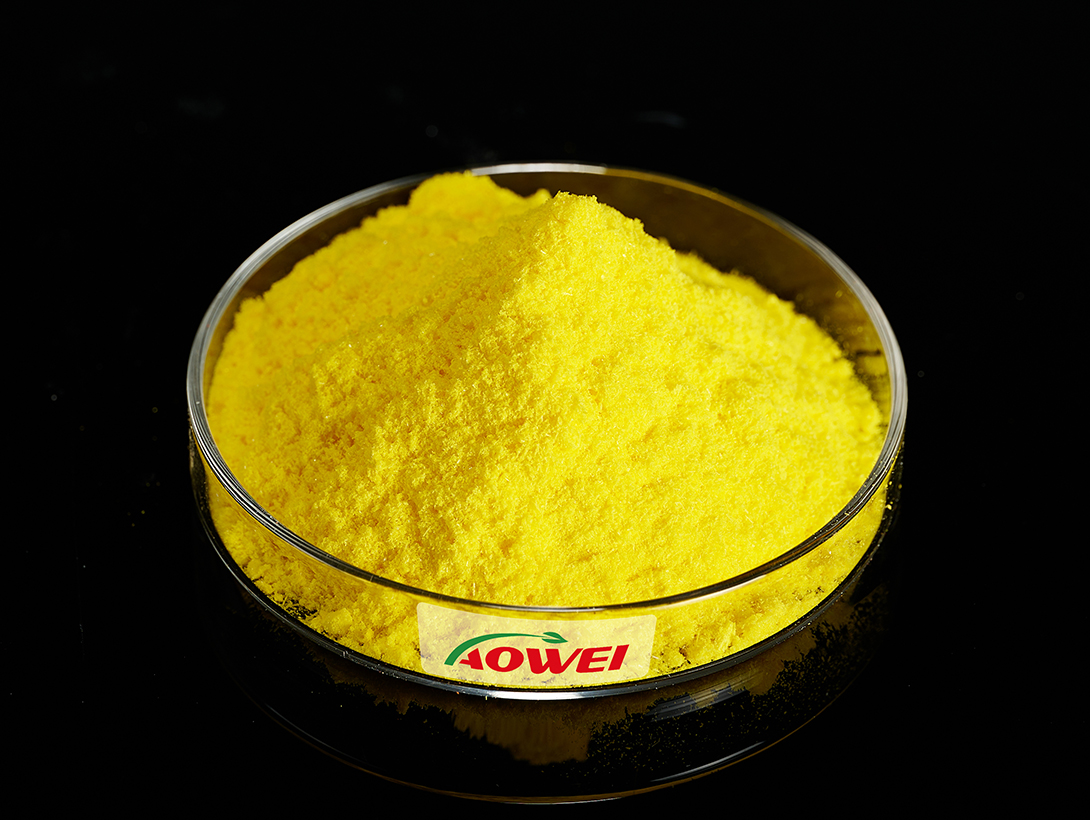
Compound Sodium Nitrophenolates (including Sodium Para-Nitrophenolate) can effectively alleviate growth inhibition issues experienced by cucumbers and tomatoes under low-temperature conditions. Acting as a plant growth regulator, it activates cellular activity and enhances crop cold tolerance; under cold stress, it helps maintain photosynthesis, root vitality, and nutrient uptake, thereby promoting seed germination and seedling growth.
Its specific mechanisms of action include:
Enhanced Cold Tolerance: It improves cold hardiness by increasing chlorophyll content, net photosynthetic rate, and antioxidant enzyme activity, while simultaneously reducing the accumulation of reactive oxygen species to mitigate cellular damage caused by low temperatures.
Promotion of Germination and Growth:Seed soaking in a 50 mg·L⁻¹ solution of Atonik can significantly boost the germination rate and vigor index of cucumber seeds under low-temperature conditions; meanwhile, a 100 mg·L⁻¹ root-drenching treatment aids in cultivating robust seedlings.
Synergistic Effects in Combination: In practice, Atonik is often applied in combination with substances such as monopotassium phosphate and brassinolide; when applied during the seedling stage, this combined treatment significantly enhances cold resistance and prevents frost damage.
It should be noted that cucumbers are inherently heat-loving crops, and their growth essentially ceases at temperatures below 13°C; similarly, tomato root development is inhibited at temperatures below 10°C. Therefore, chemical regulation serves merely as an auxiliary measure and must be combined with appropriate thermal management practices.