I. Mechanism of Action
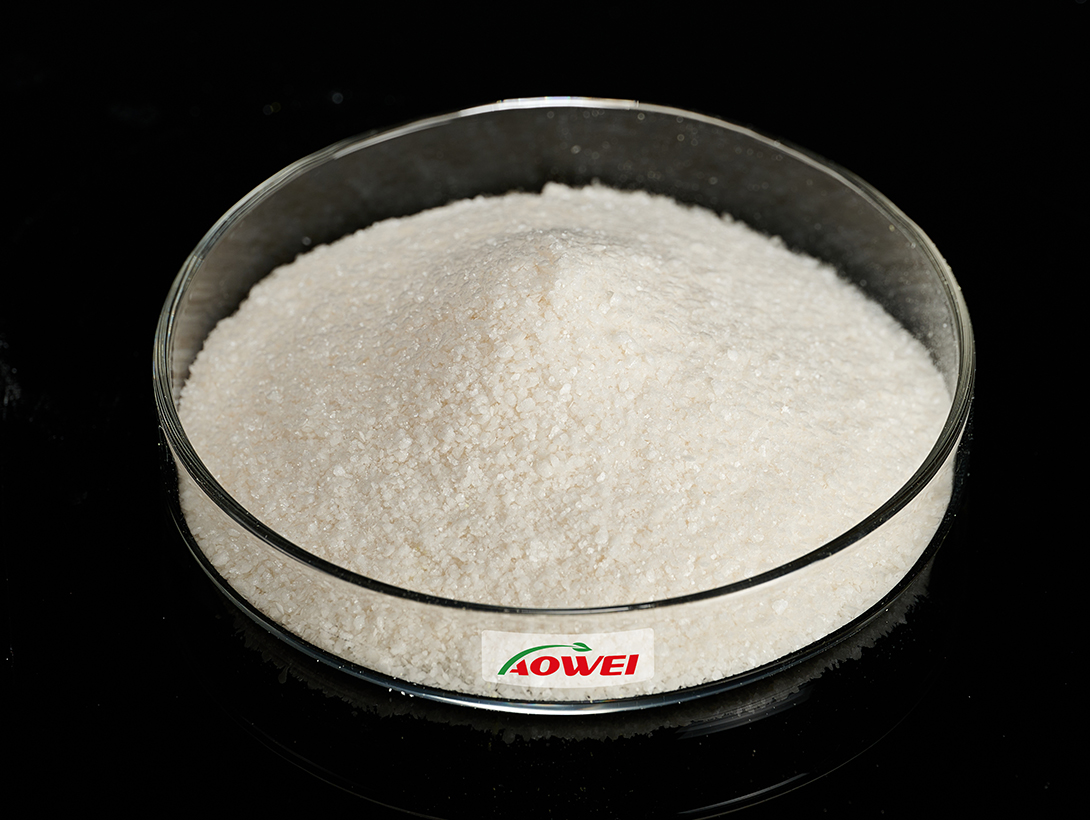
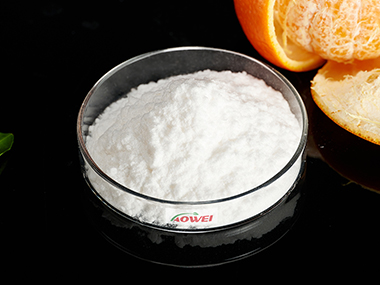
Mepiquat chloride is a systemic plant growth retardant. It inhibits gibberellin biosynthesis within the soybean plant, thereby controlling the excessive elongation of stems, leaves, and lateral branches. This creates a compact, sturdy plant architecture and reduces nutrient consumption by unproductive lateral branches, allowing more photosynthates to be translocated to the flowers and pods. Consequently, it significantly improves pod-setting rates, increases the number of pods and seeds per plant and individual seed weight, and enhances stem lodging resistance.
II. Proper Application Methods
Key Application Timing: The optimal window is the early flowering stage (when 50% of the plants in the field have opened their first flower). If rainy, humid conditions cause excessive vegetative growth, a follow-up spray may be applied during the pod-setting stage.
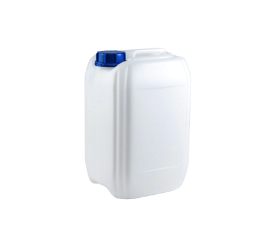
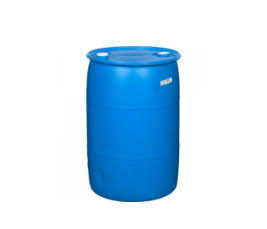
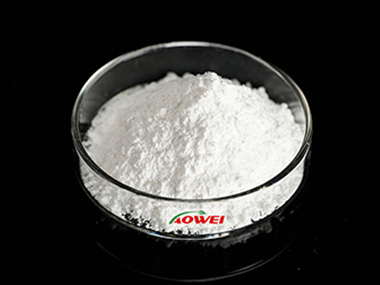
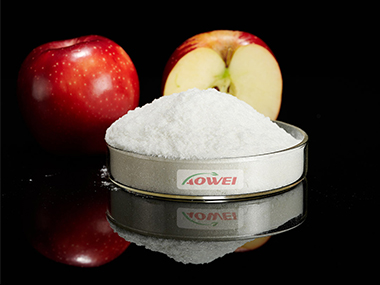
Dosage Reference:Dilute 98% Mepiquat chloride technical powder 1,000–1,500 times, or use 150–200 ml of standard 25% Mepiquat chloride aqueous solution per mu (approx. 0.067 hectares), mixed with 30 kg of water for uniform foliar spraying.
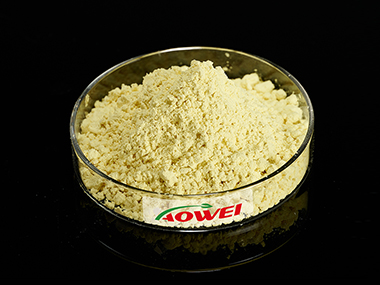
Synergistic Compound Formulation: Use 27.5% DA-6·Mepiquat chloride aqueous solution at a rate of 15–25 ml per mu mixed with 30 kg of water. This controls excessive growth while preventing premature plant senescence, potentially increasing yields by 10%–15%.
III. Key Precautions
Reduce the dosage by 20% for fields with weak seedlings or sandy soil; application during the early seedling stage is strictly prohibited.
Avoid spraying during high-temperature periods (above 35°C); perform applications before 10:00 AM or in the evening when there is no wind. If rainfall occurs within 6 hours of spraying, apply a follow-up spray at half the original dosage.