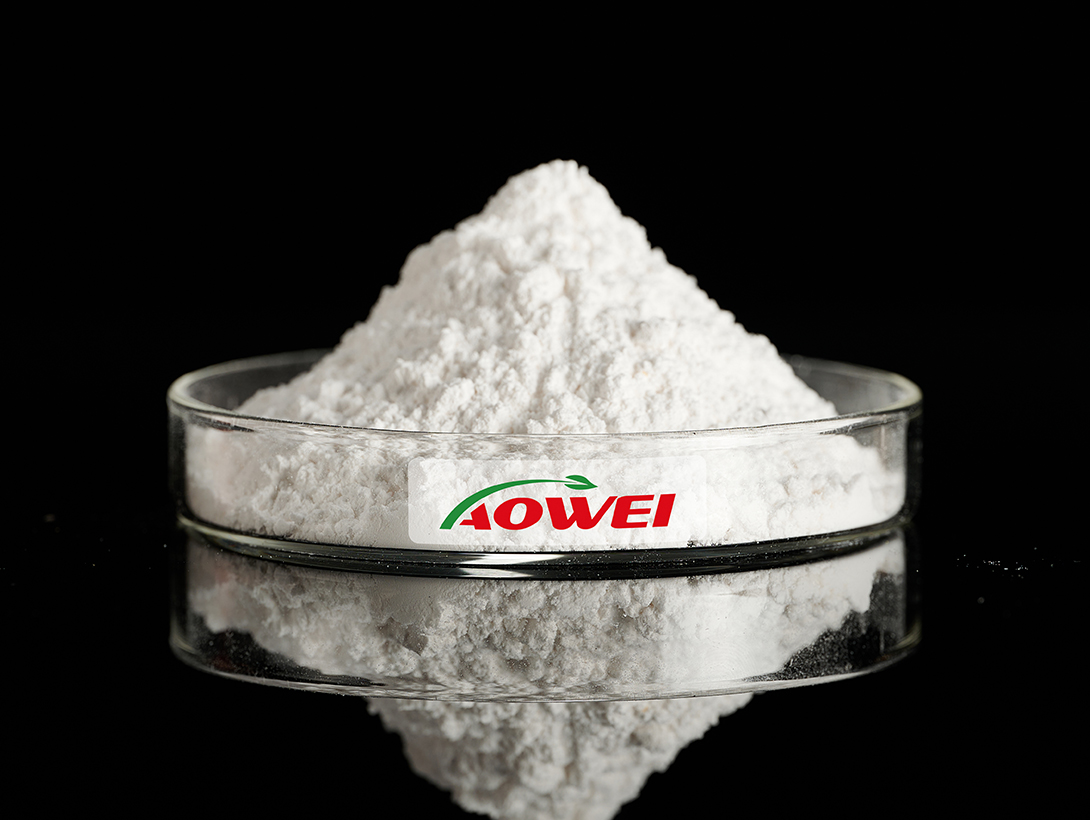
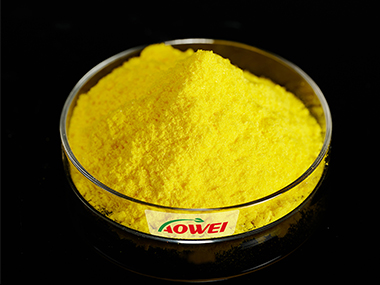
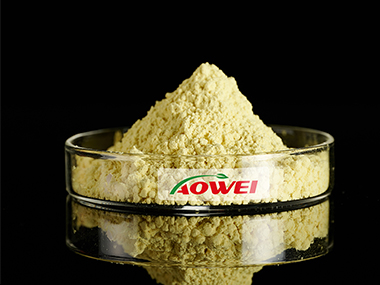
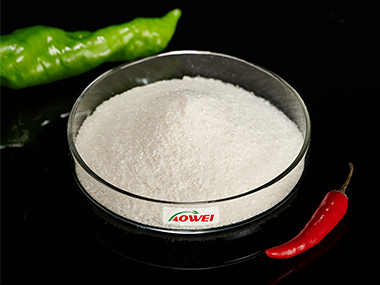
Zeatin designed for greenhouse vegetables are specialized plant growth regulators—a type of naturally derived cytokinin. They specifically address common issues in greenhouse cultivation, such as growth stagnation, yellowing, and wilting caused by low-temperature and low-light conditions. By helping plants maintain normal physiological activity, these agents ensure robust growth even during periods of cold weather and limited sunlight.
Core Protective Functions of Zeatin Under Low-Temperature and Low-Light Stress
Significantly improves growth metrics—such as plant height, stem diameter, and root weight—in vegetables subjected to low temperatures and low light, preventing stunted growth or developmental arrest caused by environmental stress.
Substantially increases chlorophyll content and inhibits its rapid degradation in cold conditions, keeping leaves deep green and ensuring that fundamental photosynthetic capacity remains intact.
Upregulates genes associated with the biosynthesis of endogenous zeatin, thereby increasing internal zeatin (ZT) levels and fundamentally enhancing the plant’s innate tolerance to low-temperature and low-light stress.
Dual-Action Mechanism: Enhancing Photosynthesis and Stress Resistance
Optimizes photosynthetic parameters and chlorophyll fluorescence indices, maintaining high carbon assimilation efficiency even in low-light environments and mitigating issues related to insufficient accumulation of photosynthetic products.
Boosts the activity of antioxidant enzymes—such as SOD, POD, and CAT—to accelerate the clearance of reactive oxygen species (ROS) that accumulate under stress, thereby reducing oxidative damage to cell membrane lipids.
Promotes the accumulation of osmoregulatory substances, including soluble sugars, soluble proteins, and proline; this lowers the cellular freezing point and alleviates cell dehydration and wilting caused by low temperatures.
Application Guidelines for Greenhouse Vegetables
For solanaceous vegetables (e.g., peppers), the optimal protective effect is achieved by applying a 150 μmol·L⁻¹ zeatin solution as a foliar spray four consecutive times before the onset of low-temperature and low-light conditions.
For general leafy greens and cucurbits (melon/squash family) grown in greenhouses, a foliar spray with a concentration of 20 mg/L can effectively delay leaf yellowing and help maintain a normal growth rhythm. During periods of low temperature and limited sunlight, apply the product preventively at a rate of 0.2–0.3 g (of the 0.1% formulation) per mu. Dilute with water and spray evenly over the entire plant; one application every 7–10 days is sufficient.