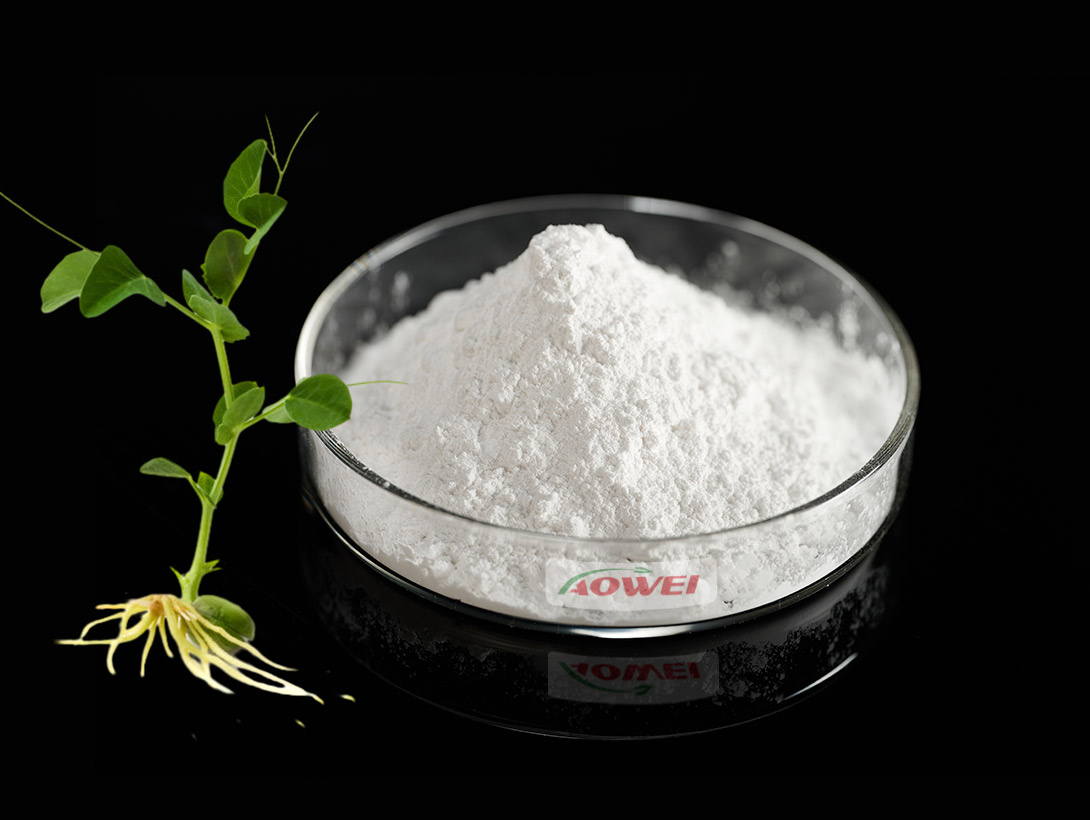
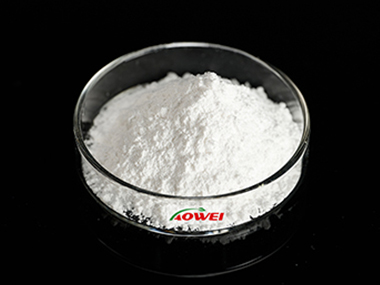
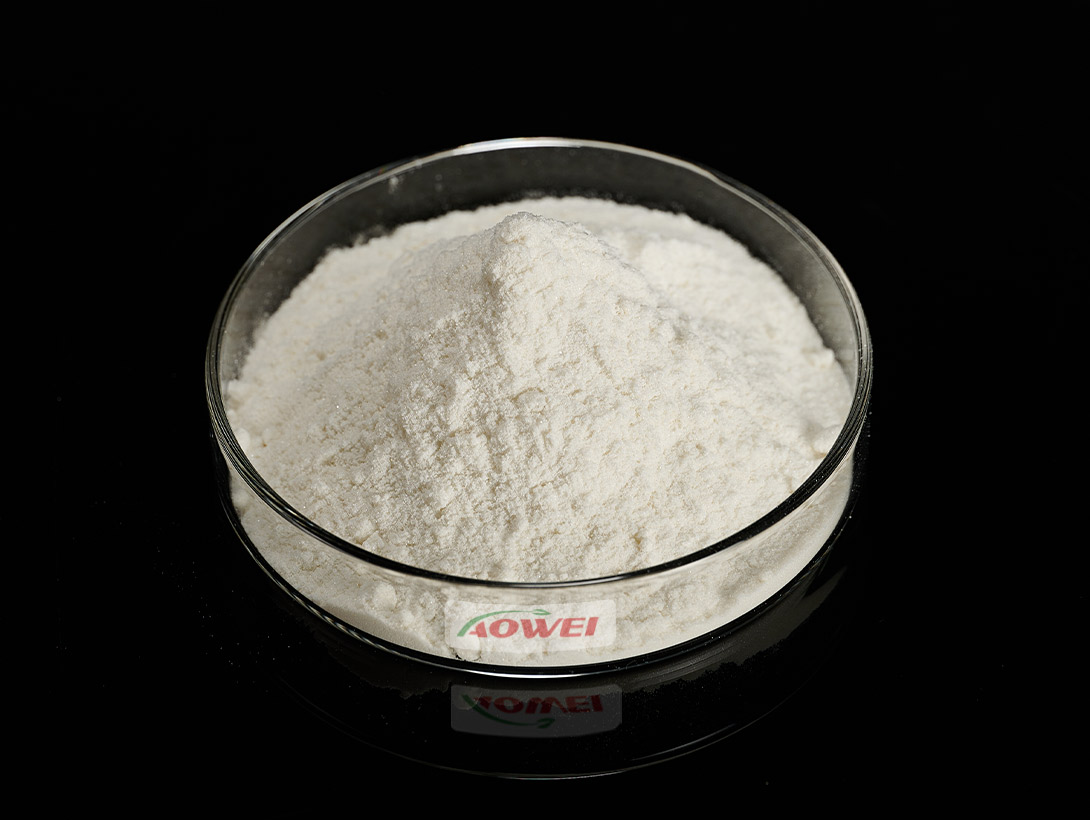
Zeatin for fruit tree flower bud differentiation agent is a specialized, naturally derived cytokinin regulator. By modulating the balance of endogenous hormones within fruit trees, it significantly promotes flower bud formation and enhances bud quality. This addresses the root cause of the "alternate bearing" (biennial bearing) phenomenon—where trees produce heavy crops one year and light crops the next—thereby stabilizing and increasing yields for the following season. It is suitable for a wide range of common fruit trees, including apples, pears, grapes, jujubes, and citrus.
Core Mechanism of Zeatin in Promoting Flower Bud Differentiation
Maintains high zeatin (ZT) levels during the critical period of flower bud differentiation, directly stimulating the development of floral primordia and facilitating the transition from vegetative growth to reproductive growth, which substantially increases the rate of flower formation.
Optimizes the ratio of endogenous hormones by increasing the ZT/gibberellin (GA) ratio. This counteracts the flower-inhibiting effects of gibberellins, preventing a lack of flower bud differentiation caused by excessive vegetative growth (vigorous shoot growth).
Promotes the complete development of floral structures within the buds, reducing the incidence of "stunted buds" or malformed flowers the following spring, and ensuring that buds can sprout normally.
Key Role of Zeatin in Boosting Yields for the Following Season
Enhances flower bud fullness and improves the uniformity of flowering in the following year, preventing uneven fruit set caused by a staggered or prolonged flowering period.
Promotes more robust development of floral organs. When applied in conjunction with appropriate formulations during full bloom, it can simultaneously increase fruit set rates and reduce the shedding of flowers and buds.
Effectively breaks the cycle of alternate bearing, ensuring that even in "off" years, the tree can produce a sufficient number of high-quality flower buds. This stabilizes the base of fruit-bearing branches, enabling consistent, stable, and increased yields year after year. Application Guidelines for Zeatin on Major Fruit Crops
Apples and Pears: During the flower bud differentiation stage (following the cessation of new shoot growth), apply a 0.02–0.03 mg/L solution via foliar spray 2–3 times.
Grapes: During the bud-emergence stage, post-bloom, and the late stage of fruit development, apply a 0.02–0.03 mg/L solution via foliar spray 2–3 times.
Jujube (Chinese Date): During full bloom, apply a mixture of 10 mg/L zeatin, 25–50 mg/L GA₃ (gibberellic acid), and 20 mg/L NAA (1-naphthaleneacetic acid) as a whole-plant spray (one application) to improve fruit set.
Citrus: From the onset of flowering through the fruit-enlargement stage, apply a 0.015–0.02 mg/L solution via foliar spray twice.