

Core Mitigation Measures for Drought Resistance in Spring Crops
Drought stress in spring crops can be mitigated through a comprehensive suite of measures, including scientific irrigation, moisture-conserving mulching, rational fertilization, and the application of plant growth regulators. Among these, the use of plant growth regulators stands as one of the key technical means for enhancing a crop's inherent drought resistance.
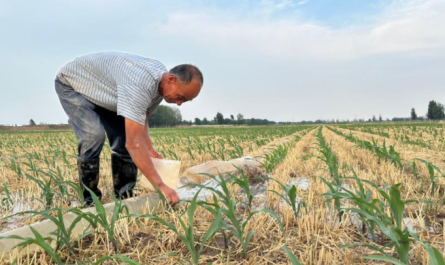
I. Core Mitigation Measures for Drought Resistance in Spring Crops
1. Scientific and Water-Saving Irrigation
Prioritize the adoption of highly efficient, water-saving methods—such as drip irrigation and micro-sprinkler irrigation—while avoiding traditional flood irrigation.
Schedule irrigation during the early morning or late evening hours to minimize evaporative water loss.
Ensure adequate water supply during critical growth stages when water demand is highest: specifically, the jointing-to-grain-filling period for wheat, and the jointing period for maize.
Mulching to Suppress Evaporation and Conserve Moisture
2. Promote the use of plastic film mulching and straw mulching (at a thickness of 5–8 cm) to effectively reduce soil moisture evaporation and enhance the field's water-holding capacity.
For crops such as potatoes and vegetables, combine plastic film mulching with micro-irrigation systems to implement "sub-mulch drip irrigation."
Inter-tillage to Loosen Soil and Disrupt Capillary Action
Early spring inter-tillage severs the capillary channels within the surface soil layer, thereby inhibiting the upward movement and evaporation of moisture, while simultaneously warming the soil and stimulating root growth.
3. Foliar Fertilization to Enhance Stress Tolerance
Apply foliar fertilizers—such as monopotassium phosphate, alginic acid, and fulvic acid—via spraying to increase cellular osmotic pressure, delay leaf senescence, and bolster drought resistance.
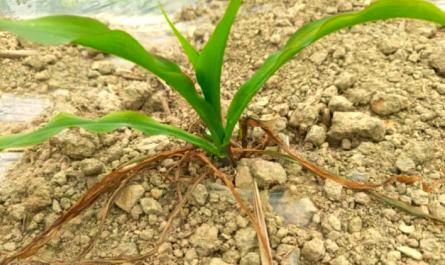
II. Recommended Plant Growth Regulators and Their Functions
The following regulators can significantly enhance crop drought resistance and have been widely adopted for use in crops such as wheat, maize, and various vegetables:
1. Brassinolide
Primary Functions of Brassinolide: Regulates hormonal balance, enhances photosynthetic efficiency, alleviates drought-induced stress, and delays premature senescence.
Recommended Crops: Wheat, maize, and vegetables.
Application Timing and Method: Apply during the heading-to-flowering and grain-filling stages for wheat, and during the jointing stage for maize. Apply via foliar spray using a mixture of 10 ml/acre of 0.01% Brassinolide aqueous solution plus 30–50 g of monopotassium phosphate; repeat the application 1–2 times at intervals of 7–10 days.
2. Fulvic Acid / Mineral-derived Potassium Fulvate
Key Benefits:Reduces stomatal aperture, lowers transpiration rates, and promotes root system development.
Recommended Crops: Wheat, corn, potatoes.
Application Timing and Method:Apply via foliar spray at a rate of 30–50 g/acre when drought conditions occur; can be mixed with Monopotassium Phosphate to enhance water-retention effects.
3. S-Abscisic Acid (S-ABA) / Chitosan Oligosaccharide
Key Benefits: Activates the plant's endogenous stress-resistance genes, thereby enhancing drought tolerance and disease resistance.
Recommended Crops: Fruits and vegetables, medicinal herbs.
Application Timing and Method:Apply via spray during the seedling stage or upon drought warning to boost the plant's stress response capabilities.
4. Monopotassium Phosphate (Functional Regulator)
Key Benefits:Rapidly replenishes phosphorus and potassium, enhances cellular vitality, and improves stress resistance.
Recommended Crops:All crops.
Application Timing and Method:Apply via foliar spray using a 0.2%–0.3% solution during critical growth stages (e.g., wheat grain-filling stage, corn large-bell stage).
I. Core Mitigation Measures for Drought Resistance in Spring Crops
1. Scientific and Water-Saving Irrigation
Prioritize the adoption of highly efficient, water-saving methods—such as drip irrigation and micro-sprinkler irrigation—while avoiding traditional flood irrigation.
Schedule irrigation during the early morning or late evening hours to minimize evaporative water loss.
Ensure adequate water supply during critical growth stages when water demand is highest: specifically, the jointing-to-grain-filling period for wheat, and the jointing period for maize.
Mulching to Suppress Evaporation and Conserve Moisture
2. Promote the use of plastic film mulching and straw mulching (at a thickness of 5–8 cm) to effectively reduce soil moisture evaporation and enhance the field's water-holding capacity.
For crops such as potatoes and vegetables, combine plastic film mulching with micro-irrigation systems to implement "sub-mulch drip irrigation."
Inter-tillage to Loosen Soil and Disrupt Capillary Action
Early spring inter-tillage severs the capillary channels within the surface soil layer, thereby inhibiting the upward movement and evaporation of moisture, while simultaneously warming the soil and stimulating root growth.
3. Foliar Fertilization to Enhance Stress Tolerance
Apply foliar fertilizers—such as monopotassium phosphate, alginic acid, and fulvic acid—via spraying to increase cellular osmotic pressure, delay leaf senescence, and bolster drought resistance.
II. Recommended Plant Growth Regulators and Their Functions
The following regulators can significantly enhance crop drought resistance and have been widely adopted for use in crops such as wheat, maize, and various vegetables:
1. Brassinolide
Primary Functions of Brassinolide: Regulates hormonal balance, enhances photosynthetic efficiency, alleviates drought-induced stress, and delays premature senescence.
Recommended Crops: Wheat, maize, and vegetables.
Application Timing and Method: Apply during the heading-to-flowering and grain-filling stages for wheat, and during the jointing stage for maize. Apply via foliar spray using a mixture of 10 ml/acre of 0.01% Brassinolide aqueous solution plus 30–50 g of monopotassium phosphate; repeat the application 1–2 times at intervals of 7–10 days.
2. Fulvic Acid / Mineral-derived Potassium Fulvate
Key Benefits:Reduces stomatal aperture, lowers transpiration rates, and promotes root system development.
Recommended Crops: Wheat, corn, potatoes.
Application Timing and Method:Apply via foliar spray at a rate of 30–50 g/acre when drought conditions occur; can be mixed with Monopotassium Phosphate to enhance water-retention effects.
3. S-Abscisic Acid (S-ABA) / Chitosan Oligosaccharide
Key Benefits: Activates the plant's endogenous stress-resistance genes, thereby enhancing drought tolerance and disease resistance.
Recommended Crops: Fruits and vegetables, medicinal herbs.
Application Timing and Method:Apply via spray during the seedling stage or upon drought warning to boost the plant's stress response capabilities.
4. Monopotassium Phosphate (Functional Regulator)
Key Benefits:Rapidly replenishes phosphorus and potassium, enhances cellular vitality, and improves stress resistance.
Recommended Crops:All crops.
Application Timing and Method:Apply via foliar spray using a 0.2%–0.3% solution during critical growth stages (e.g., wheat grain-filling stage, corn large-bell stage).
RECENT POSTS
-
Use Plant hormone to control excessive vegetative growth preserve flowers and fruit and promote ripening and yield increases
-
Selecting Suitable Plant Growth Regulators for Autumn Crops to Manage Growth and Enhance Stress Resistance
-
Application of Plant Growth Regulators to Prevent Leggy Growth in Rice Seedlings
-
Application Rates of Diethyl Aminoethyl Hexanoate (DA-6) for Food Crops (Rice Wheat Soybean)
Featured News