

Causes and Improvement Methods of Grape Cracking
The ripening and color-changing period of open-field grapes coincides with a period of concentrated rainfall, often resulting in grape cracking. Symptoms include: cracked skin, juice leakage, and wounds susceptible to fungal infection and rot under high humidity. This attracts pests such as beetles, bees, flies, and aphids, which suck the juice, affecting grape yield and quality, and directly reducing the commercial value of the grapes.
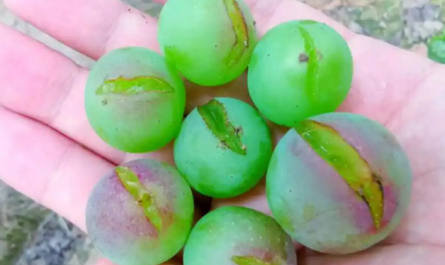
I. Causes of Grape Cracking
1. After the grape swells and enters the color-changing stage, the skin stops growing, while the cells inside the fruit elongate rapidly, compressing the outer skin and causing it to thin. Continuous rainfall at this time leads to excessive water absorption by the cells, resulting in excessive turgor pressure and cracking.
Grape skin tissue is fragile, and its strength decreases as the fruit matures.
2. Calcium deficiency leads to cracking. Calcium participates in the cell wall composition in the form of calcium pectin. Calcium deficiency prevents cell wall formation, affecting cell division and hindering new cell formation. It also causes grape leaves to curl in the opposite direction, increasing fruit cracking rates, reducing fruit firmness, and making the fruit less resistant to transportation and storage.
3. Vigorous vine growth with poor ventilation and light penetration, coupled with a lack of bunch and fruit setting, leads to fruit cracking after the application of fruit-expanding agents.
4. Excessive concentration of ripening agents used during the color-changing stage can also cause fruit cracking.
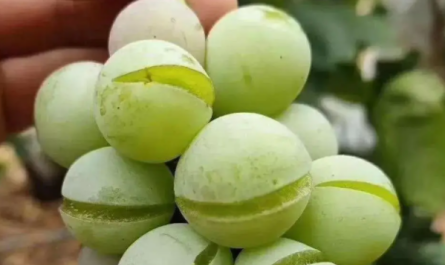
II. Measures to Prevent Grape Cracking
1. Balance soil moisture. Irrigate promptly during droughts and prevent waterlogging after rain.
2. During the fruit ripening period, follow the principle of "small amounts, frequent watering" to avoid high temperature and humidity, which reduce transpiration rates and increase fruit turgor pressure, leading to cracking.
3. After fruit set, thin the bunches and adjust the fruit load on the plant. Ensure the bunches are not too tightly packed to reduce fruit compression and cracking.
4. Supplement calcium fertilizer throughout the entire growth period.
Pay attention to nutrient balance when applying fertilizer. Use balanced fertilizer in the early stages, and focus on phosphorus and potassium fertilizers during fruit expansion. Chelated calcium fertilizer can be used before bagging the fruit once. Timely calcium supplementation during fruit expansion can improve tree vigor and fruit skin toughness, preventing cracking.
Calcium stabilizes cell membranes and maintains cell wall structure in plants. Calcium supplementation strengthens the fruit skin, but it does not guarantee crack prevention; it only enhances skin toughness and reduces the cracking rate.
5. When using ripening agents, apply them when 5%–10% of the grapes on a single bunch have changed color. It is generally recommended that Ethephon and abscisic acid not be used alone, but rather in combination with other agents.
Recommended agent: Pinsoa (5% Prohexadione calcium) can reduce fruit cracking rate when used during grape expansion and color change.
I. Causes of Grape Cracking
1. After the grape swells and enters the color-changing stage, the skin stops growing, while the cells inside the fruit elongate rapidly, compressing the outer skin and causing it to thin. Continuous rainfall at this time leads to excessive water absorption by the cells, resulting in excessive turgor pressure and cracking.
Grape skin tissue is fragile, and its strength decreases as the fruit matures.
2. Calcium deficiency leads to cracking. Calcium participates in the cell wall composition in the form of calcium pectin. Calcium deficiency prevents cell wall formation, affecting cell division and hindering new cell formation. It also causes grape leaves to curl in the opposite direction, increasing fruit cracking rates, reducing fruit firmness, and making the fruit less resistant to transportation and storage.
3. Vigorous vine growth with poor ventilation and light penetration, coupled with a lack of bunch and fruit setting, leads to fruit cracking after the application of fruit-expanding agents.
4. Excessive concentration of ripening agents used during the color-changing stage can also cause fruit cracking.
II. Measures to Prevent Grape Cracking
1. Balance soil moisture. Irrigate promptly during droughts and prevent waterlogging after rain.
2. During the fruit ripening period, follow the principle of "small amounts, frequent watering" to avoid high temperature and humidity, which reduce transpiration rates and increase fruit turgor pressure, leading to cracking.
3. After fruit set, thin the bunches and adjust the fruit load on the plant. Ensure the bunches are not too tightly packed to reduce fruit compression and cracking.
4. Supplement calcium fertilizer throughout the entire growth period.
Pay attention to nutrient balance when applying fertilizer. Use balanced fertilizer in the early stages, and focus on phosphorus and potassium fertilizers during fruit expansion. Chelated calcium fertilizer can be used before bagging the fruit once. Timely calcium supplementation during fruit expansion can improve tree vigor and fruit skin toughness, preventing cracking.
Calcium stabilizes cell membranes and maintains cell wall structure in plants. Calcium supplementation strengthens the fruit skin, but it does not guarantee crack prevention; it only enhances skin toughness and reduces the cracking rate.
5. When using ripening agents, apply them when 5%–10% of the grapes on a single bunch have changed color. It is generally recommended that Ethephon and abscisic acid not be used alone, but rather in combination with other agents.
Recommended agent: Pinsoa (5% Prohexadione calcium) can reduce fruit cracking rate when used during grape expansion and color change.
RECENT POSTS
Featured News