

A Guide to Using Gibberellin!
Gibberellin is a highly effective plant growth regulator that promotes the growth of various crops, making it very popular among farmers. Here is a detailed overview of how to use gibberellin on different crops:
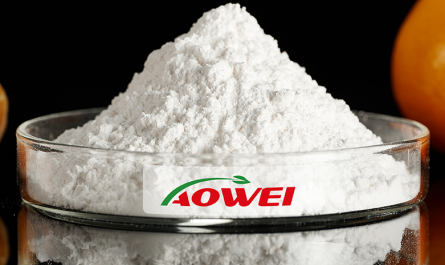
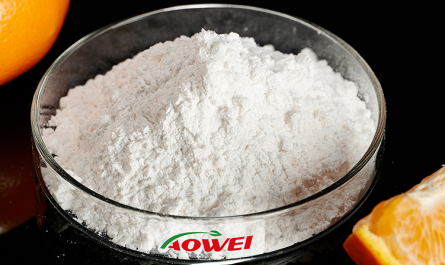
Common formulations of gibberellin include emulsifiable concentrates, crystalline powders, soluble tablets, and soluble granules. Note that gibberellin powder is not water-soluble; it must first be dissolved in a small amount of alcohol or high-proof liquor before being diluted with water to the desired concentration.
Application Methods for Specific Crops
Lettuce: Soaking lettuce seeds in a 200 mg/L gibberellin solution at a high temperature of 30–38°C for 24 hours effectively breaks dormancy and promotes early germination.
Potato: Soaking potato pieces in a 0.5–2 mg/L gibberellin solution for 10–15 minutes, or soaking whole tubers in a 5–15 mg/L solution for 30 minutes, breaks tuber dormancy. This promotes early sprouting and lateral bud development, accelerates young shoot growth, encourages earlier stolon formation, and extends the tuber expansion period. Use lower concentrations for varieties with short dormancy periods and higher concentrations for those with long dormancy periods.
Apple: Spraying with a 2000–4000 mg/L gibberellin solution in early spring effectively breaks the dormancy of apple buds.
Strawberry: Gibberellin can break the dormancy of strawberry plants. In forced or semi-forced greenhouse cultivation, apply the treatment after the greenhouse has been covered for heat retention for three days (specifically when over 30% of flower buds have appeared). Spray 5 mL of a 5–10 mg/L gibberellin solution per plant, focusing on the heart leaves; this promotes early flowering of the primary flower cluster, stimulates growth, and accelerates ripening.
Eggplant: Low-concentration gibberellin solutions can break shallow dormancy in eggplant seeds and enhance germination vigor and rates; soaking seeds for 8 hours at room temperature in a 50–100 mg/L solution yields the best results. For eggplant varieties exhibiting moderate dormancy, hormone treatment is essential to break dormancy—whether for germination testing or seedling cultivation—with a recommended treatment of 500 mg/L for 24 hours. Spraying flowers once with a 25–35 mg/L gibberellin solution during the flowering stage helps prevent flower drop, promotes fruit set, and increases yield.
Soybean: Soaking seeds in a 3.5 mg/L gibberellin solution effectively accelerates the initial germination rate of spring-sown soybeans at temperatures of 10–15°C, significantly speeds up radicle growth, and increases both the fresh and dry weight of the radicles.
Hybrid Rice: In production, hybrid rice often suffers from "panicle enclosure" (where the panicle remains partially trapped within the leaf sheath), resulting in incomplete heading and a failure to pollinate; this lowers the seed-setting rate and reduces yield. Applying gibberellin effectively resolves these issues. The recommended method involves applying 10–15 grams of gibberellin per mu, split into 2–3 applications: the first application (2–3 g/mu) occurs when 10% of the crop has headed; the second (4–6 g/mu) follows the next day; and the third (4–6 g/mu) takes place the day after that or the following day.
Sweet Potato: Soaking tubers for 10 minutes in a gibberellin solution (concentration of 10–15 mg/L) before air-drying and placing them in a warm seedbed for propagation can break dormancy, accelerate emergence, reduce the amount of seed material required, and allow for a more favorable planting schedule.
Sorghum: Soaking seeds in a gibberellin solution (5–10 mg/L) promotes germination, stimulates hypocotyl elongation, increases dry weight, and significantly hastens seedling emergence.
Oil-tea Camellia: Soaking seeds for 4 hours in a gibberellin solution (20 mg/L) accelerates the germination process.
Cotton: Soaking seeds for 6–8 hours in a gibberellin solution (20 mg/L) promotes germination and mitigates the risk of delayed sprouting or seed rot caused by adverse conditions such as low temperatures.
Grape: Dipping grape clusters in a gibberellin solution (60 mg/L) during the period from five days before flowering to the onset of flowering significantly improves the fruit-setting rate. Additionally, dipping clusters twice—once 11–14 days into full bloom (using 100–150 mg/L) and again 10 days after full bloom (using 100 mg/L)—helps prevent flower and fruit drop.
Tomato: Spraying flowers once with a gibberellin solution (30–35 mg/L) during the flowering stage improves the fruit-setting rate and helps prevent the formation of hollow fruits. Citrus: Spray with 50 mg/L gibberellin once after the first wave of early physiological fruit drop, or spray twice with the same concentration—once seven days after petal fall and again between the first and second waves of early physiological fruit drop. If high temperatures and drought occur during the flowering and fruiting stages, gibberellin application should be combined with appropriate orchard irrigation. Adding 0.2% urea, 0.2% phosphorus-potassium fertilizer, and 0.2% borax to the gibberellin solution during spraying can enhance the effectiveness of flower and fruit retention.
Kiwifruit: Applying 2% gibberellin-lanolin paste to the flower stalks can significantly reduce the seed count in kiwifruit, induce the formation of seedless fruit, and lower the rate of fruit drop.
Chili peppers: Spraying flowers once with a 20–40 mg/L gibberellin solution during the flowering stage can promote fruit set and increase yield.
Watermelon, wax gourd, pumpkin, and cucumber: Spraying flowers once with a 20–50 mg/L gibberellin solution during the flowering stage, or spraying the young fruit once during the early development stage, can promote young fruit growth and increase yield.
Rapeseed: Dipping seedling roots in a 20 mg/L gibberellin solution before transplanting promotes early plant development and increases yield. Foliar spraying with 25 mg/L gibberellin during full bloom can improve the seed-setting rate.
Common formulations of gibberellin include emulsifiable concentrates, crystalline powders, soluble tablets, and soluble granules. Note that gibberellin powder is not water-soluble; it must first be dissolved in a small amount of alcohol or high-proof liquor before being diluted with water to the desired concentration.
Application Methods for Specific Crops
Lettuce: Soaking lettuce seeds in a 200 mg/L gibberellin solution at a high temperature of 30–38°C for 24 hours effectively breaks dormancy and promotes early germination.
Potato: Soaking potato pieces in a 0.5–2 mg/L gibberellin solution for 10–15 minutes, or soaking whole tubers in a 5–15 mg/L solution for 30 minutes, breaks tuber dormancy. This promotes early sprouting and lateral bud development, accelerates young shoot growth, encourages earlier stolon formation, and extends the tuber expansion period. Use lower concentrations for varieties with short dormancy periods and higher concentrations for those with long dormancy periods.
Apple: Spraying with a 2000–4000 mg/L gibberellin solution in early spring effectively breaks the dormancy of apple buds.
Strawberry: Gibberellin can break the dormancy of strawberry plants. In forced or semi-forced greenhouse cultivation, apply the treatment after the greenhouse has been covered for heat retention for three days (specifically when over 30% of flower buds have appeared). Spray 5 mL of a 5–10 mg/L gibberellin solution per plant, focusing on the heart leaves; this promotes early flowering of the primary flower cluster, stimulates growth, and accelerates ripening.
Eggplant: Low-concentration gibberellin solutions can break shallow dormancy in eggplant seeds and enhance germination vigor and rates; soaking seeds for 8 hours at room temperature in a 50–100 mg/L solution yields the best results. For eggplant varieties exhibiting moderate dormancy, hormone treatment is essential to break dormancy—whether for germination testing or seedling cultivation—with a recommended treatment of 500 mg/L for 24 hours. Spraying flowers once with a 25–35 mg/L gibberellin solution during the flowering stage helps prevent flower drop, promotes fruit set, and increases yield.
Soybean: Soaking seeds in a 3.5 mg/L gibberellin solution effectively accelerates the initial germination rate of spring-sown soybeans at temperatures of 10–15°C, significantly speeds up radicle growth, and increases both the fresh and dry weight of the radicles.
Hybrid Rice: In production, hybrid rice often suffers from "panicle enclosure" (where the panicle remains partially trapped within the leaf sheath), resulting in incomplete heading and a failure to pollinate; this lowers the seed-setting rate and reduces yield. Applying gibberellin effectively resolves these issues. The recommended method involves applying 10–15 grams of gibberellin per mu, split into 2–3 applications: the first application (2–3 g/mu) occurs when 10% of the crop has headed; the second (4–6 g/mu) follows the next day; and the third (4–6 g/mu) takes place the day after that or the following day.
Sweet Potato: Soaking tubers for 10 minutes in a gibberellin solution (concentration of 10–15 mg/L) before air-drying and placing them in a warm seedbed for propagation can break dormancy, accelerate emergence, reduce the amount of seed material required, and allow for a more favorable planting schedule.
Sorghum: Soaking seeds in a gibberellin solution (5–10 mg/L) promotes germination, stimulates hypocotyl elongation, increases dry weight, and significantly hastens seedling emergence.
Oil-tea Camellia: Soaking seeds for 4 hours in a gibberellin solution (20 mg/L) accelerates the germination process.
Cotton: Soaking seeds for 6–8 hours in a gibberellin solution (20 mg/L) promotes germination and mitigates the risk of delayed sprouting or seed rot caused by adverse conditions such as low temperatures.
Grape: Dipping grape clusters in a gibberellin solution (60 mg/L) during the period from five days before flowering to the onset of flowering significantly improves the fruit-setting rate. Additionally, dipping clusters twice—once 11–14 days into full bloom (using 100–150 mg/L) and again 10 days after full bloom (using 100 mg/L)—helps prevent flower and fruit drop.
Tomato: Spraying flowers once with a gibberellin solution (30–35 mg/L) during the flowering stage improves the fruit-setting rate and helps prevent the formation of hollow fruits. Citrus: Spray with 50 mg/L gibberellin once after the first wave of early physiological fruit drop, or spray twice with the same concentration—once seven days after petal fall and again between the first and second waves of early physiological fruit drop. If high temperatures and drought occur during the flowering and fruiting stages, gibberellin application should be combined with appropriate orchard irrigation. Adding 0.2% urea, 0.2% phosphorus-potassium fertilizer, and 0.2% borax to the gibberellin solution during spraying can enhance the effectiveness of flower and fruit retention.
Kiwifruit: Applying 2% gibberellin-lanolin paste to the flower stalks can significantly reduce the seed count in kiwifruit, induce the formation of seedless fruit, and lower the rate of fruit drop.
Chili peppers: Spraying flowers once with a 20–40 mg/L gibberellin solution during the flowering stage can promote fruit set and increase yield.
Watermelon, wax gourd, pumpkin, and cucumber: Spraying flowers once with a 20–50 mg/L gibberellin solution during the flowering stage, or spraying the young fruit once during the early development stage, can promote young fruit growth and increase yield.
Rapeseed: Dipping seedling roots in a 20 mg/L gibberellin solution before transplanting promotes early plant development and increases yield. Foliar spraying with 25 mg/L gibberellin during full bloom can improve the seed-setting rate.