

Classification and Application Value of Plant Growth Regulators
Plant growth regulators (PGRs) are specialized agricultural agents—produced via chemical synthesis or biological fermentation—that mimic the activity of endogenous plant hormones. They allow for precise intervention throughout a crop’s entire life cycle, from seed germination to harvest. By enabling the targeted regulation of growth patterns and the optimization of yield and quality, these substances serve as essential "conductors" of plant development in modern agriculture.

Core Classifications and Representative Examples
PGRs are categorized into five primary groups based on their functional roles:
Growth Promoters: Examples include gibberellins, 1-naphthylacetic acid (NAA), indole-3-butyric acid (IBA), and zeatin. Their primary functions include breaking seed dormancy, stimulating cell elongation and division, and promoting root development. They are widely used to increase yields in leafy vegetables, facilitate propagation via cuttings, and encourage shoot growth in fruit trees.
Growth Retardants: Examples include paclobutrazol, chlormequat chloride, uniconazole, and prohexadione-calcium. By inhibiting gibberellin synthesis, these agents control excessive vegetative growth ("leggy" growth), shorten internodes, and thicken stems. They significantly enhance a crop's resistance to lodging (falling over) and are the primary tools used to manage over-vigorous growth in field crops such as wheat and rice.
Growth Inhibitors: Examples include maleic hydrazide and morphactins. These substances can completely suppress apical dominance and inhibit bud sprouting. They are commonly used to prevent sprouting in stored produce—such as potatoes and garlic—or to create compact growth forms in ornamental potted plants.
Ethylene-based Regulators: The most prominent example is ethephon. By releasing ethylene gas, these agents trigger maturation signals in crops. They are used to induce uniform ripening in fruits like bananas and tomatoes, and to promote synchronized boll opening in cotton, which facilitates mechanized harvesting.
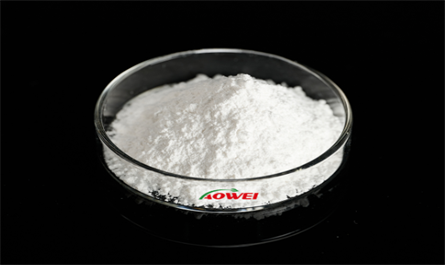
Balanced Regulators: Examples include brassinolide, diethyl aminoethyl hexanoate (DA-6), and sodium nitrophenolate. These agents help maintain a healthy balance of various endogenous hormones within the plant. They offer multifaceted benefits—such as promoting growth, enhancing stress resistance, and mitigating phytotoxicity—making them the most versatile and widely applied category in agricultural production. Core Application Value
Targeted Optimization of Plant Architecture:By controlling excessive vegetative growth, crops develop thicker stems and more robust root systems. This can reduce the lodging rate of wheat and rice by over 80%, while simultaneously curbing the waste of nutrients and directing more photosynthetic products toward the grain-bearing parts (ears/panicles).
Enhancing Yield and Quality:In viticulture, the combined use of gibberellin (for cluster elongation) and forchlorfenuron (for berry enlargement) can increase individual berry weight by more than 20%. Applying zeatin to tea plants can boost bud density by 17%. Specialized plant growth regulators for tobacco can reduce the nicotine content in upper leaves by approximately 30%, significantly increasing the proportion of high- and medium-grade tobacco leaves. Treating seed potatoes with gibberellin can accelerate emergence by 7 days; anti-drop agents can reduce physiological fruit drop in citrus by up to 40%; and for cut flowers, the use of cytokinin-based regulators can extend their vase life by 3–7 days.
Strengthening Stress Resistance: Applying brassinolide before a cold wave can significantly improve a crop's frost resistance. In drought conditions, the use of S-abscisic acid can reduce the transpiration rate of leaves, thereby enhancing the crop's drought tolerance.
Core Classifications and Representative Examples
PGRs are categorized into five primary groups based on their functional roles:
Growth Promoters: Examples include gibberellins, 1-naphthylacetic acid (NAA), indole-3-butyric acid (IBA), and zeatin. Their primary functions include breaking seed dormancy, stimulating cell elongation and division, and promoting root development. They are widely used to increase yields in leafy vegetables, facilitate propagation via cuttings, and encourage shoot growth in fruit trees.
Growth Retardants: Examples include paclobutrazol, chlormequat chloride, uniconazole, and prohexadione-calcium. By inhibiting gibberellin synthesis, these agents control excessive vegetative growth ("leggy" growth), shorten internodes, and thicken stems. They significantly enhance a crop's resistance to lodging (falling over) and are the primary tools used to manage over-vigorous growth in field crops such as wheat and rice.
Growth Inhibitors: Examples include maleic hydrazide and morphactins. These substances can completely suppress apical dominance and inhibit bud sprouting. They are commonly used to prevent sprouting in stored produce—such as potatoes and garlic—or to create compact growth forms in ornamental potted plants.
Ethylene-based Regulators: The most prominent example is ethephon. By releasing ethylene gas, these agents trigger maturation signals in crops. They are used to induce uniform ripening in fruits like bananas and tomatoes, and to promote synchronized boll opening in cotton, which facilitates mechanized harvesting.
Balanced Regulators: Examples include brassinolide, diethyl aminoethyl hexanoate (DA-6), and sodium nitrophenolate. These agents help maintain a healthy balance of various endogenous hormones within the plant. They offer multifaceted benefits—such as promoting growth, enhancing stress resistance, and mitigating phytotoxicity—making them the most versatile and widely applied category in agricultural production. Core Application Value
Targeted Optimization of Plant Architecture:By controlling excessive vegetative growth, crops develop thicker stems and more robust root systems. This can reduce the lodging rate of wheat and rice by over 80%, while simultaneously curbing the waste of nutrients and directing more photosynthetic products toward the grain-bearing parts (ears/panicles).
Enhancing Yield and Quality:In viticulture, the combined use of gibberellin (for cluster elongation) and forchlorfenuron (for berry enlargement) can increase individual berry weight by more than 20%. Applying zeatin to tea plants can boost bud density by 17%. Specialized plant growth regulators for tobacco can reduce the nicotine content in upper leaves by approximately 30%, significantly increasing the proportion of high- and medium-grade tobacco leaves. Treating seed potatoes with gibberellin can accelerate emergence by 7 days; anti-drop agents can reduce physiological fruit drop in citrus by up to 40%; and for cut flowers, the use of cytokinin-based regulators can extend their vase life by 3–7 days.
Strengthening Stress Resistance: Applying brassinolide before a cold wave can significantly improve a crop's frost resistance. In drought conditions, the use of S-abscisic acid can reduce the transpiration rate of leaves, thereby enhancing the crop's drought tolerance.
RECENT POSTS
-
Classification and Application Value of Plant Growth Regulators
-
Plant Growth Regulators for Controlling Excessive Growth and Preventing Lodging: Functions and Mechanisms
-
Plant Growth Regulators for Growth Promotion and Stress Resistance: Functions and Mechanisms
-
How do you choose the right plant growth regulator?
Featured News