

Plant Growth Regulators for Controlling Excessive Growth and Preventing Lodging: Functions and Mechanisms
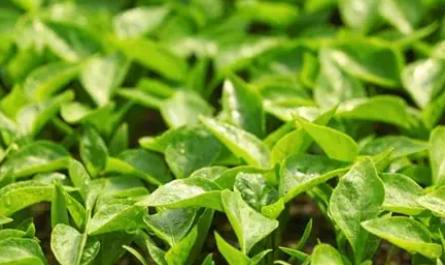
Plant growth regulators (PGRs) designed to control excessive growth and prevent lodging are specialized agents that inhibit the synthesis of gibberellic acid (GA) in crops. By regulating the pace of vegetative growth, these agents shorten basal internodes, thicken stems, promote deeper root penetration, and reduce overall plant height. They address the root causes of issues such as leggy growth, an excessively high center of gravity, and susceptibility to lodging during wind or rain. These regulators serve as essential chemical control tools for achieving high yields in densely planted field crops, as well as for ensuring fruit and vegetable retention and stable production.
Core Mechanisms of Action
These PGRs inhibit the biosynthesis of gibberellic acid, thereby blocking excessive longitudinal cell elongation. Specifically, they shorten the first to third basal internodes, thicken the stem walls, and significantly enhance stem toughness. This lowers the plant's center of gravity, physically reducing the risk of lodging.
They regulate the distribution and flow of nutrients, redirecting resources—which would otherwise fuel excessive stem and leaf growth—toward root development and the growth of spikes or fruits. This promotes deeper primary root penetration and a rapid proliferation of secondary roots, while simultaneously increasing the number of grains per spike and the fruit-setting rate, effectively "restricting top growth to boost root development" and "curbing excessive growth to increase yields."
Furthermore, these agents optimize ventilation and light penetration within the crop canopy, reducing the incidence of diseases caused by overcrowding. They also enhance the crop's overall stress tolerance—including resistance to cold and drought—while preventing secondary issues associated with leggy growth, such as premature senescence and the development of empty or unfilled grains. Main Types of Plant Growth Regulators for Controlling Excessive Vegetative Growth and Preventing Lodging

Paclobutrazol (Paclo)
Core Function: Provides potent, long-lasting control of excessive vegetative growth. Effects become visible 3–5 days after application and persist for 25–40 days. It rapidly suppresses over-vigorous growth, significantly thickens stems, and offers the added benefit of preventing sheath blight. In wheat, it has been shown to reduce the risk of lodging by over 70%.
Recommended Use: Ideal for field crops such as wheat, peanuts, and soybeans during the early stages of excessive vegetative growth; particularly suitable for high-yield fields with high seeding rates or overly dense plant populations. The standard application rate for 15% paclobutrazol wettable powder is 30–50g per mu (approx. 0.067 hectares), mixed with 30–40kg of water for spraying.
Precautions: It has a long residual period in the soil; avoid repeated applications on heavy, clay-rich soils. Deep-tilling the soil before planting the next crop is necessary to facilitate the degradation of residues. Its use is strictly prohibited during the seedling stage of leafy vegetables or the young fruit stage of fruit trees.
Chlormequat Chloride (CCC)
Core Function: Offers a mild and safe approach to controlling excessive vegetative growth. Effects appear 5–7 days after application and last for about 30 days. It specifically regulates the over-vigorous growth of stems and leaves without inhibiting root development or damaging floral organs and young fruit. By redirecting nutrients toward flowers and fruit, it significantly improves fruit-setting rates.
Recommended Use: Suitable for controlling excessive growth during the flowering and fruiting stages of solanaceous and cucurbitaceous vegetables (such as tomatoes, peppers, and cucumbers). It can also be safely used on wheat fields with mild overgrowth or in saline-alkali soil conditions. The standard application rate for 50% chlormequat chloride aqueous solution is 10–15ml mixed with 15kg (30 jin) of water.
Precautions: Do not mix with alkaline pesticides or copper-based preparations. The duration of effectiveness is relatively short when used alone; in cases of severe overgrowth, a second application may be performed 7–10 days after the first. Uniconazole
Core function: Provides rapid, emergency control of excessive vegetative growth—effects are visible on the same day of application. It is 6–10 times more potent than paclobutrazol, offering strong growth regulation with minimal soil residue, ensuring no negative impact on subsequent crops. It also provides additional benefits, such as strengthening seedlings and enhancing cold tolerance.
Suitable scenarios: Ideal for emergency situations, such as sudden, excessive vegetative growth in rice during the jointing stage or rampant vine growth in beans. It is particularly well-suited for high-yield fields with fertile soil where crops tend to grow vigorously. Recommended dosage: 20–30g of 5% Uniconazole wettable powder per mu (approx. 0.067 hectares), mixed with 30–40 kg of water for spraying.
Precautions: Strictly forbidden during the seedling stage; application at this time will severely inhibit seedling development, leading to stunted growth, "shrunken" (malformed) growing points, and leaf yellowing.
Mepiquat chloride
Core function: Offers mild, versatile growth regulation throughout the entire crop life cycle. Effects appear 3 days after application and persist for about 15 days. Its action is very gentle, making it safe to use from the seedling stage through the flowering and fruiting stages—it is unlikely to cause phytotoxicity, even for inexperienced growers.
Suitable scenarios: Precision growth regulation for sensitive crops, such as cotton during the squaring (budding) stage, strawberries during runner development, or watermelons during vine elongation. Recommended dosage: 15–20 ml of 25% Mepiquat chloride aqueous solution mixed with 15 catties (30 jin) of water. For the most consistent results, apply twice with an interval of 10–12 days.
Precautions: Its effect is relatively mild; a single application provides only light growth control. In fields with severe, rampant growth, a single treatment will not be sufficient; multiple, smaller-dose applications are required to achieve and maintain the desired control. Prohexadione-calcium
Core function: A high-end, residue-free solution for precise growth regulation. Effects become visible 7 days after application, with a duration of 15 days. It specifically inhibits excessive stem elongation without interfering with leaf photosynthesis or the development of young panicles/ears. Furthermore, it promotes tillering and increases the number of grains per panicle, making it the premier choice for eco-friendly, organic cultivation.
Recommended applications:
Ideal for high-quality, high-yield wheat production and premium fruit and vegetable cultivation. It is safe for regulating growth in corn (at the "small trumpet" or early-whorl stage) and rice (at the late tillering stage). The standard application rate is approximately 30g per mu (approx. 0.067 hectares), applied as an even spray after dilution with water. In cases of severe, excessive growth, a second application may be made 7–10 days later.
Important notes: The market price is relatively high, and its cost-effectiveness may be lower than that of traditional growth regulators. It is best suited for agricultural operations that prioritize high quality and a residue-free end product.
Core Mechanisms of Action
These PGRs inhibit the biosynthesis of gibberellic acid, thereby blocking excessive longitudinal cell elongation. Specifically, they shorten the first to third basal internodes, thicken the stem walls, and significantly enhance stem toughness. This lowers the plant's center of gravity, physically reducing the risk of lodging.
They regulate the distribution and flow of nutrients, redirecting resources—which would otherwise fuel excessive stem and leaf growth—toward root development and the growth of spikes or fruits. This promotes deeper primary root penetration and a rapid proliferation of secondary roots, while simultaneously increasing the number of grains per spike and the fruit-setting rate, effectively "restricting top growth to boost root development" and "curbing excessive growth to increase yields."
Furthermore, these agents optimize ventilation and light penetration within the crop canopy, reducing the incidence of diseases caused by overcrowding. They also enhance the crop's overall stress tolerance—including resistance to cold and drought—while preventing secondary issues associated with leggy growth, such as premature senescence and the development of empty or unfilled grains. Main Types of Plant Growth Regulators for Controlling Excessive Vegetative Growth and Preventing Lodging
Paclobutrazol (Paclo)
Core Function: Provides potent, long-lasting control of excessive vegetative growth. Effects become visible 3–5 days after application and persist for 25–40 days. It rapidly suppresses over-vigorous growth, significantly thickens stems, and offers the added benefit of preventing sheath blight. In wheat, it has been shown to reduce the risk of lodging by over 70%.
Recommended Use: Ideal for field crops such as wheat, peanuts, and soybeans during the early stages of excessive vegetative growth; particularly suitable for high-yield fields with high seeding rates or overly dense plant populations. The standard application rate for 15% paclobutrazol wettable powder is 30–50g per mu (approx. 0.067 hectares), mixed with 30–40kg of water for spraying.
Precautions: It has a long residual period in the soil; avoid repeated applications on heavy, clay-rich soils. Deep-tilling the soil before planting the next crop is necessary to facilitate the degradation of residues. Its use is strictly prohibited during the seedling stage of leafy vegetables or the young fruit stage of fruit trees.
Chlormequat Chloride (CCC)
Core Function: Offers a mild and safe approach to controlling excessive vegetative growth. Effects appear 5–7 days after application and last for about 30 days. It specifically regulates the over-vigorous growth of stems and leaves without inhibiting root development or damaging floral organs and young fruit. By redirecting nutrients toward flowers and fruit, it significantly improves fruit-setting rates.
Recommended Use: Suitable for controlling excessive growth during the flowering and fruiting stages of solanaceous and cucurbitaceous vegetables (such as tomatoes, peppers, and cucumbers). It can also be safely used on wheat fields with mild overgrowth or in saline-alkali soil conditions. The standard application rate for 50% chlormequat chloride aqueous solution is 10–15ml mixed with 15kg (30 jin) of water.
Precautions: Do not mix with alkaline pesticides or copper-based preparations. The duration of effectiveness is relatively short when used alone; in cases of severe overgrowth, a second application may be performed 7–10 days after the first. Uniconazole
Core function: Provides rapid, emergency control of excessive vegetative growth—effects are visible on the same day of application. It is 6–10 times more potent than paclobutrazol, offering strong growth regulation with minimal soil residue, ensuring no negative impact on subsequent crops. It also provides additional benefits, such as strengthening seedlings and enhancing cold tolerance.
Suitable scenarios: Ideal for emergency situations, such as sudden, excessive vegetative growth in rice during the jointing stage or rampant vine growth in beans. It is particularly well-suited for high-yield fields with fertile soil where crops tend to grow vigorously. Recommended dosage: 20–30g of 5% Uniconazole wettable powder per mu (approx. 0.067 hectares), mixed with 30–40 kg of water for spraying.
Precautions: Strictly forbidden during the seedling stage; application at this time will severely inhibit seedling development, leading to stunted growth, "shrunken" (malformed) growing points, and leaf yellowing.
Mepiquat chloride
Core function: Offers mild, versatile growth regulation throughout the entire crop life cycle. Effects appear 3 days after application and persist for about 15 days. Its action is very gentle, making it safe to use from the seedling stage through the flowering and fruiting stages—it is unlikely to cause phytotoxicity, even for inexperienced growers.
Suitable scenarios: Precision growth regulation for sensitive crops, such as cotton during the squaring (budding) stage, strawberries during runner development, or watermelons during vine elongation. Recommended dosage: 15–20 ml of 25% Mepiquat chloride aqueous solution mixed with 15 catties (30 jin) of water. For the most consistent results, apply twice with an interval of 10–12 days.
Precautions: Its effect is relatively mild; a single application provides only light growth control. In fields with severe, rampant growth, a single treatment will not be sufficient; multiple, smaller-dose applications are required to achieve and maintain the desired control. Prohexadione-calcium
Core function: A high-end, residue-free solution for precise growth regulation. Effects become visible 7 days after application, with a duration of 15 days. It specifically inhibits excessive stem elongation without interfering with leaf photosynthesis or the development of young panicles/ears. Furthermore, it promotes tillering and increases the number of grains per panicle, making it the premier choice for eco-friendly, organic cultivation.
Recommended applications:
Ideal for high-quality, high-yield wheat production and premium fruit and vegetable cultivation. It is safe for regulating growth in corn (at the "small trumpet" or early-whorl stage) and rice (at the late tillering stage). The standard application rate is approximately 30g per mu (approx. 0.067 hectares), applied as an even spray after dilution with water. In cases of severe, excessive growth, a second application may be made 7–10 days later.
Important notes: The market price is relatively high, and its cost-effectiveness may be lower than that of traditional growth regulators. It is best suited for agricultural operations that prioritize high quality and a residue-free end product.
RECENT POSTS
-
Plant Growth Regulators for Controlling Excessive Growth and Preventing Lodging: Functions and Mechanisms
-
Plant Growth Regulators for Growth Promotion and Stress Resistance: Functions and Mechanisms
-
How do you choose the right plant growth regulator?
-
Which safe and residue-free plant growth regulators meet the requirements of green and organic agricultural production?
Featured News