

Functional Characteristics Usage and Dosage of Natural Brassinolide
Brassinolide is a natural plant hormone found widely in various plant organs, including pollen, seeds, stems, and leaves. Due to its physiological activity—which significantly exceeds that of the five previously identified plant hormones—it is internationally acclaimed as the "Sixth Hormone."
1. **Natural and Safe:** Non-toxic, harmless, non-polluting, and free of adverse side effects.
2. **Comprehensive Action:** Brassinolide can be applied at every stage of a plant's growth and development—from seed germination, rooting, and sprouting to flowering, fruiting, and the final stages of yield enhancement—demonstrating distinct beneficial effects at each phase.
3. **Multifaceted Functionality:** Brassinolide exhibits a wide range of functions akin to those of auxins, gibberellins, cytokinins, and abscisic acid. These include the growth-promoting effects characteristic of auxins and gibberellins; the cell-division-promoting effects of cytokinins; the flower and fruit-retention effects associated with gibberellins; and the resistance-enhancing and stress-tolerance properties linked to abscisic acid.
4. **High Potency:** Possessing the highest level of physiological activity among plant hormones, Brassinolide is effective at extremely low concentrations. It can significantly stimulate plant growth even at a concentration of just 0.0001 mg/kg. Typical application concentrations range from 0.01 to 0.1 mg/kg.
5. **Compatibility:** It is compatible for mixing with neutral and acidic fertilizers, fungicides, and insecticides. Such mixtures often result in a synergistic effect, typically boosting overall efficacy by 10% to 40%.
**Mechanism of Action:** Natural Brassinolide is a highly active substance that promotes plant photosynthesis, regulates photosynthetic efficiency, and fosters balanced growth and development. It modulates key plant processes such as flowering, fruiting, and maturation. Furthermore, it enhances the plant's resilience against various environmental stressors—including high temperatures, frost damage, salinity and alkalinity, waterlogging, and pest and disease infestations—and can also help alleviate phytotoxicity (chemical injury).
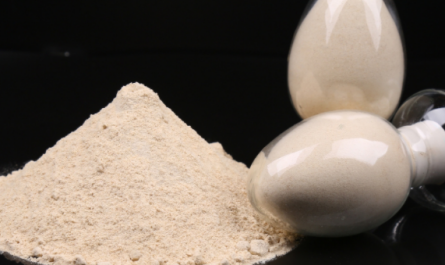
1. **Promoting Cell Elongation and Division:** Brassinolide increases enzyme activity and boosts the content of DNA and proteins within plant cells. This stimulates both cell elongation and division, thereby accelerating plant growth and increasing overall yield.
2. **Enhancing Photosynthesis:** Brassinolide accelerates the rate of CO2 fixation and improves photosynthetic efficiency. This results in deeper green foliage, increased leaf area, thicker leaves, uniform growth, and an overall improvement in leaf quality. 3. Brassinolide Enhances Plant Stress Tolerance: Under adverse conditions—such as low temperatures, drought, and salinity—brassinolide enhances the water-uptake capacity of crop root systems, stabilizes the structural and functional integrity of cellular membrane systems, sustains high levels of energy metabolism, regulates the intracellular physiological environment, and promotes normal physiological and biochemical metabolic processes, thereby bolstering the plant's overall stress tolerance. Furthermore, by comprehensively regulating the plant's physiological and biochemical processes, it also serves to mitigate disease incidence.
**Brassinolide: Scope of Application**
It can be widely applied to various crops—including wheat, corn, rice, cucumber, tomato, green pepper, kidney bean, potato, tobacco, and watermelon—at different stages of their growth.
**1. Seed Soaking Treatment:** Brassinolide enhances seed vigor and promotes germination, thereby improving germination potential and germination rate. This results in uniform, robust seedlings with well-developed root systems, while also strengthening their resistance to disease, cold, and drought during the seedling stage.
**2. Application During the Seedling Stage:** It promotes the growth of branches, foliage, and roots; increases chlorophyll content; and enhances photosynthetic efficiency. This leads to sturdy branches and lush foliage, facilitates flower bud differentiation, increases the number of flowers, improves the utilization efficiency of fertilizers and water, and strengthens resistance against diseases such as anthracnose, blight, and viral infections.
**3. Application During the Budding Stage:** It promotes flower bud differentiation, encourages abundant and robust flowering, aids in flower and fruit retention, and increases the fruit-setting rate.
**4. Application During the Young Fruit Stage:** It elevates hormone levels within the young fruit, enhances the fruit's ability to compete for nutrients, stimulates cell division, and reduces physiological fruit drop.
**5. Application During the Fruit Enlargement Stage:** It boosts hormone levels within the fruit, promotes rapid fruit expansion, increases individual fruit weight, improves fruit coloration and luster, and prevents the occurrence of fruit cracking and rot.
**6. Application During the Fruit Maturation Stage:** It enhances the fruit's respiratory intensity, promotes early ripening and earlier market entry, improves overall quality, and increases the content of proteins, amino acids, and vitamins. It enhances commercial appeal by reducing the incidence of malformed fruit, making the fruit surface smooth and glossy, and ultimately strengthening market competitiveness. It also extends the post-harvest storage and shelf life.
**7. Application After Fruit Harvest:** It delays leaf senescence, enhances the photosynthetic intensity of the leaves, and promotes the conversion and accumulation of nutrients. This strengthens the plant's resistance to freezing and cold temperatures, ensuring an adequate supply of nutrients for flower bud differentiation and the subsequent year's flowering and fruiting, thereby meeting the requirements for high quality and high yield.
**Brassinolide: Usage and Dosage**
**1. Foliar Spraying:** 0.01–0.1 mg/kg.
**2. Drip/Flood Irrigation Application:** 0.05–0.5 g per *mu* (approx. 0.067 hectares).
1. **Natural and Safe:** Non-toxic, harmless, non-polluting, and free of adverse side effects.
2. **Comprehensive Action:** Brassinolide can be applied at every stage of a plant's growth and development—from seed germination, rooting, and sprouting to flowering, fruiting, and the final stages of yield enhancement—demonstrating distinct beneficial effects at each phase.
3. **Multifaceted Functionality:** Brassinolide exhibits a wide range of functions akin to those of auxins, gibberellins, cytokinins, and abscisic acid. These include the growth-promoting effects characteristic of auxins and gibberellins; the cell-division-promoting effects of cytokinins; the flower and fruit-retention effects associated with gibberellins; and the resistance-enhancing and stress-tolerance properties linked to abscisic acid.
4. **High Potency:** Possessing the highest level of physiological activity among plant hormones, Brassinolide is effective at extremely low concentrations. It can significantly stimulate plant growth even at a concentration of just 0.0001 mg/kg. Typical application concentrations range from 0.01 to 0.1 mg/kg.
5. **Compatibility:** It is compatible for mixing with neutral and acidic fertilizers, fungicides, and insecticides. Such mixtures often result in a synergistic effect, typically boosting overall efficacy by 10% to 40%.
**Mechanism of Action:** Natural Brassinolide is a highly active substance that promotes plant photosynthesis, regulates photosynthetic efficiency, and fosters balanced growth and development. It modulates key plant processes such as flowering, fruiting, and maturation. Furthermore, it enhances the plant's resilience against various environmental stressors—including high temperatures, frost damage, salinity and alkalinity, waterlogging, and pest and disease infestations—and can also help alleviate phytotoxicity (chemical injury).
1. **Promoting Cell Elongation and Division:** Brassinolide increases enzyme activity and boosts the content of DNA and proteins within plant cells. This stimulates both cell elongation and division, thereby accelerating plant growth and increasing overall yield.
2. **Enhancing Photosynthesis:** Brassinolide accelerates the rate of CO2 fixation and improves photosynthetic efficiency. This results in deeper green foliage, increased leaf area, thicker leaves, uniform growth, and an overall improvement in leaf quality. 3. Brassinolide Enhances Plant Stress Tolerance: Under adverse conditions—such as low temperatures, drought, and salinity—brassinolide enhances the water-uptake capacity of crop root systems, stabilizes the structural and functional integrity of cellular membrane systems, sustains high levels of energy metabolism, regulates the intracellular physiological environment, and promotes normal physiological and biochemical metabolic processes, thereby bolstering the plant's overall stress tolerance. Furthermore, by comprehensively regulating the plant's physiological and biochemical processes, it also serves to mitigate disease incidence.
**Brassinolide: Scope of Application**
It can be widely applied to various crops—including wheat, corn, rice, cucumber, tomato, green pepper, kidney bean, potato, tobacco, and watermelon—at different stages of their growth.
**1. Seed Soaking Treatment:** Brassinolide enhances seed vigor and promotes germination, thereby improving germination potential and germination rate. This results in uniform, robust seedlings with well-developed root systems, while also strengthening their resistance to disease, cold, and drought during the seedling stage.
**2. Application During the Seedling Stage:** It promotes the growth of branches, foliage, and roots; increases chlorophyll content; and enhances photosynthetic efficiency. This leads to sturdy branches and lush foliage, facilitates flower bud differentiation, increases the number of flowers, improves the utilization efficiency of fertilizers and water, and strengthens resistance against diseases such as anthracnose, blight, and viral infections.
**3. Application During the Budding Stage:** It promotes flower bud differentiation, encourages abundant and robust flowering, aids in flower and fruit retention, and increases the fruit-setting rate.
**4. Application During the Young Fruit Stage:** It elevates hormone levels within the young fruit, enhances the fruit's ability to compete for nutrients, stimulates cell division, and reduces physiological fruit drop.
**5. Application During the Fruit Enlargement Stage:** It boosts hormone levels within the fruit, promotes rapid fruit expansion, increases individual fruit weight, improves fruit coloration and luster, and prevents the occurrence of fruit cracking and rot.
**6. Application During the Fruit Maturation Stage:** It enhances the fruit's respiratory intensity, promotes early ripening and earlier market entry, improves overall quality, and increases the content of proteins, amino acids, and vitamins. It enhances commercial appeal by reducing the incidence of malformed fruit, making the fruit surface smooth and glossy, and ultimately strengthening market competitiveness. It also extends the post-harvest storage and shelf life.
**7. Application After Fruit Harvest:** It delays leaf senescence, enhances the photosynthetic intensity of the leaves, and promotes the conversion and accumulation of nutrients. This strengthens the plant's resistance to freezing and cold temperatures, ensuring an adequate supply of nutrients for flower bud differentiation and the subsequent year's flowering and fruiting, thereby meeting the requirements for high quality and high yield.
**Brassinolide: Usage and Dosage**
**1. Foliar Spraying:** 0.01–0.1 mg/kg.
**2. Drip/Flood Irrigation Application:** 0.05–0.5 g per *mu* (approx. 0.067 hectares).
RECENT POSTS
-
How do you choose the right plant growth regulator?
-
Which safe and residue-free plant growth regulators meet the requirements of green and organic agricultural production?
-
What is the purpose of COA (Certificate of Analysis) verification for plant growth regulators?
-
How do you evaluate the effectiveness of plant growth regulators?
Featured News