

Usage and Dosage of Thidiazuron on Selected Crops
Thidiazuron is a compound with unique plant growth-regulating properties, used for cotton defoliation and ripening. Absorbed through the leaves, it influences three key plant hormones—ethylene, auxin, and cytokinin—promoting the formation of a natural abscission layer between the stem and the leaf stalk, thereby causing leaf drop.
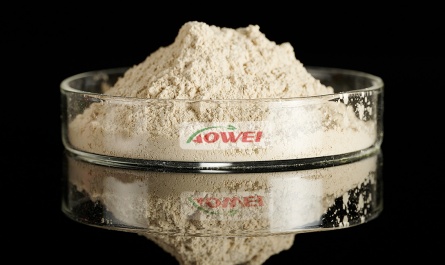
Thidiazuron for increasing yield and improving quality:
Grapes: Spraying the plants with a 4–6 mg/L Thidiazuron solution during the flowering stage can increase yield.
Melons: Spraying the plants with a 2.5–3.3 mg/L Thidiazuron solution can increase yield and improve fruit set rates.
Mangoes: Fruit dipping (2.5 g per 15 kg of water); fruit enlargement stage (3–6 g per 250 kg of water).
Thidiazuron for defoliation:
Cotton: Spraying the foliage with Thidiazuron at a rate of 10–20 g per mu (approx. 0.067 hectares) when more than 60% of the bolls have opened promotes defoliation.
Cucumbers: Spraying the receptacles of female flowers that are about to open with a 2 mg/L Thidiazuron solution promotes fruit set and increases individual fruit weight.
Celery: Spraying the green leaves with Thidiazuron (1–10 mg/L) immediately after harvest helps maintain green color.
Thidiazuron for increasing yield and improving quality:
Grapes: Spraying the plants with a 4–6 mg/L Thidiazuron solution during the flowering stage can increase yield.
Melons: Spraying the plants with a 2.5–3.3 mg/L Thidiazuron solution can increase yield and improve fruit set rates.
Mangoes: Fruit dipping (2.5 g per 15 kg of water); fruit enlargement stage (3–6 g per 250 kg of water).
Thidiazuron for defoliation:
Cotton: Spraying the foliage with Thidiazuron at a rate of 10–20 g per mu (approx. 0.067 hectares) when more than 60% of the bolls have opened promotes defoliation.
Cucumbers: Spraying the receptacles of female flowers that are about to open with a 2 mg/L Thidiazuron solution promotes fruit set and increases individual fruit weight.
Celery: Spraying the green leaves with Thidiazuron (1–10 mg/L) immediately after harvest helps maintain green color.
RECENT POSTS
-
What is the purpose of COA (Certificate of Analysis) verification for plant growth regulators?
-
How do you evaluate the effectiveness of plant growth regulators?
-
Preparation and Application Protocol for Gibberellic Acid GA3 90% TC to Break Dormancy and Promote Rooting and Germination
-
Precise Dilution and Application Guidelines for Diethyl Aminoethyl Hexanoate DA-6 98% TC
Featured News