

Types of Foliar Fertilizers and Spray Concentrations
The application of fertilizers is inevitable in agricultural cultivation, and foliar fertilizers are a common type. So, what are the different types of foliar fertilizers, and how exactly should they be applied?
I. Types of Foliar Fertilizers
There is a wide variety of foliar fertilizers; based on their roles and functions, they can be categorized into four main groups:
First Category: Nutritional Foliar Fertilizers.
These fertilizers contain high levels of nutrients such as nitrogen, phosphorus, potassium, and trace elements. Their primary function is to supply crops with various nutrients and improve their nutritional status; they are particularly suitable for supplementing nutrients during the later stages of crop growth.
Second Category: Regulatory Foliar Fertilizers.
These fertilizers contain substances that regulate plant growth, such as auxins and hormones. Their main function is to control crop growth and development. They are suitable for use during the early and middle stages of plant growth.
Third Category: Biological Foliar Fertilizers.
These fertilizers contain microorganisms and their metabolites—such as amino acids, nucleotides, and nucleic acids. Their primary functions include stimulating crop growth, promoting metabolism, and mitigating or preventing the occurrence of pests and diseases.
Fourth Category: Compound Foliar Fertilizers.
This category encompasses a wide range of products with diverse formulations and functions; they can simultaneously provide nutrients, stimulate growth, and regulate development.
II. How to Spray Foliar Fertilizers
1. Selecting the Appropriate Fertilizer Type:
Choose the right foliar fertilizer based on the crop's growth stage and nutritional status.
During the early growth stage, select regulatory foliar fertilizers to promote growth and development. If the crop suffers from nutrient deficiencies or if root absorption capacity declines during the later growth stages, nutritional foliar fertilizers should be used. Common chemical fertilizers used for foliar spraying in agricultural production include urea, potassium dihydrogen phosphate, superphosphate, potassium sulfate, and various trace element products; the appropriate fertilizer type should be selected based on specific conditions.
2. Use an appropriate spraying concentration.
The rate and quantity of nutrient uptake by leaves increase with the concentration of the solution; however, excessive concentration can lead to fertilizer burn. This is particularly critical for micronutrient fertilizers, where the margin between deficiency and toxicity is narrow, requiring strict control. Foliar fertilizers containing plant growth regulators must also be applied at the specified concentrations to avoid damage caused by improper regulation. Different crops have varying concentration requirements for different fertilizers. Taking urea as an example, the suitable concentration is 1.5%–2% for graminaceous crops (such as rice and wheat), 1%–1.5% for radishes, Chinese cabbage, kale, and cucumbers, 0.5%–0.8% for potatoes, watermelons, and eggplants, 0.5% for apples, pears, grapes, and tea, and 0.2%–0.3% for scallions, tomatoes, and greenhouse cucumbers.
3. Choose the right time for spraying.
The amount of nutrients absorbed during foliar fertilization depends on the duration the solution remains moist on the leaf surface; the longer the moist period, the greater the absorption and the better the result. Ideally, the leaves should remain moist for 30 to 60 minutes; therefore, foliar fertilization is best performed in the evening during calm weather. Spraying in the morning when dew is present can dilute the solution and reduce effectiveness. Foliar top-dressing should not be done during or immediately before rain, as nutrients can easily wash off, rendering the application ineffective. If it rains within three hours of spraying, a follow-up application should be made once the weather clears, though the concentration should be appropriately reduced.
4. Ensure uniform and thorough spraying.
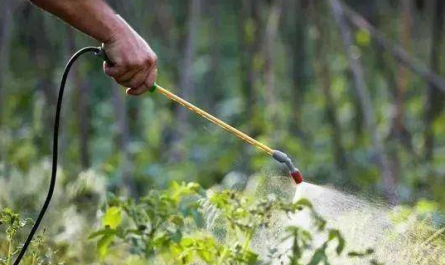
Foliar fertilization requires fine droplets and uniform coverage. Special attention should be paid to spraying the vigorously growing upper leaves and the undersides of the leaves, as new leaves absorb nutrients faster and more effectively than old leaves, and the undersides absorb better than the upper surfaces. This is particularly important for fruit trees such as peach, pear, persimmon, and apple, where the leaf cuticle on the upper surface is three to four times thicker than on the underside; spraying the undersides facilitates better absorption. Therefore, when applying foliar fertilizer, spray both the upper and lower surfaces of the leaves, ensuring the application is thorough and meticulous.
5. Avoid infrequent applications; maintain proper intervals.
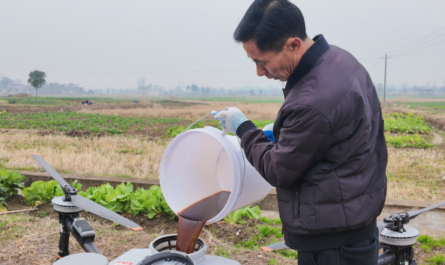
The concentration of foliar fertilizers is generally low, and the amount absorbed during each application is minimal compared to the crop's actual requirements. Consequently, foliar fertilization should typically be performed at least 2 to 3 times. Particular attention should be paid to increasing the frequency of application for nutrients with low or no mobility within the plant (such as iron, boron, calcium, and phosphorus). When applying foliar fertilizers containing growth regulators, maintain an interval of at least one week between applications and avoid excessive spraying to prevent adverse effects caused by improper regulation.
6. Ensure proper mixing of foliar fertilizers.
Combining two or more types of foliar fertilizers can save time and labor while yielding more significant increases in crop production. However, the mixture must not result in adverse reactions or reduced fertilizer efficacy; otherwise, the purpose of mixing is defeated. Additionally, pay attention to the solution's concentration and pH level; generally, a neutral pH of around 7 facilitates absorption by the leaves.
7. Add a wetting agent to the fertilizer solution.
Crop leaves are covered by a cuticle of varying thickness, which hinders solution penetration. To address this, add an appropriate amount of a wetting agent—such as neutral soap or a high-quality detergent—to the fertilizer solution. This reduces surface tension, increases the contact area with the leaves, and enhances the effectiveness of the foliar fertilization.
I. Types of Foliar Fertilizers
There is a wide variety of foliar fertilizers; based on their roles and functions, they can be categorized into four main groups:
First Category: Nutritional Foliar Fertilizers.
These fertilizers contain high levels of nutrients such as nitrogen, phosphorus, potassium, and trace elements. Their primary function is to supply crops with various nutrients and improve their nutritional status; they are particularly suitable for supplementing nutrients during the later stages of crop growth.
Second Category: Regulatory Foliar Fertilizers.
These fertilizers contain substances that regulate plant growth, such as auxins and hormones. Their main function is to control crop growth and development. They are suitable for use during the early and middle stages of plant growth.
Third Category: Biological Foliar Fertilizers.
These fertilizers contain microorganisms and their metabolites—such as amino acids, nucleotides, and nucleic acids. Their primary functions include stimulating crop growth, promoting metabolism, and mitigating or preventing the occurrence of pests and diseases.
Fourth Category: Compound Foliar Fertilizers.
This category encompasses a wide range of products with diverse formulations and functions; they can simultaneously provide nutrients, stimulate growth, and regulate development.
II. How to Spray Foliar Fertilizers
1. Selecting the Appropriate Fertilizer Type:
Choose the right foliar fertilizer based on the crop's growth stage and nutritional status.
During the early growth stage, select regulatory foliar fertilizers to promote growth and development. If the crop suffers from nutrient deficiencies or if root absorption capacity declines during the later growth stages, nutritional foliar fertilizers should be used. Common chemical fertilizers used for foliar spraying in agricultural production include urea, potassium dihydrogen phosphate, superphosphate, potassium sulfate, and various trace element products; the appropriate fertilizer type should be selected based on specific conditions.
2. Use an appropriate spraying concentration.
The rate and quantity of nutrient uptake by leaves increase with the concentration of the solution; however, excessive concentration can lead to fertilizer burn. This is particularly critical for micronutrient fertilizers, where the margin between deficiency and toxicity is narrow, requiring strict control. Foliar fertilizers containing plant growth regulators must also be applied at the specified concentrations to avoid damage caused by improper regulation. Different crops have varying concentration requirements for different fertilizers. Taking urea as an example, the suitable concentration is 1.5%–2% for graminaceous crops (such as rice and wheat), 1%–1.5% for radishes, Chinese cabbage, kale, and cucumbers, 0.5%–0.8% for potatoes, watermelons, and eggplants, 0.5% for apples, pears, grapes, and tea, and 0.2%–0.3% for scallions, tomatoes, and greenhouse cucumbers.
3. Choose the right time for spraying.
The amount of nutrients absorbed during foliar fertilization depends on the duration the solution remains moist on the leaf surface; the longer the moist period, the greater the absorption and the better the result. Ideally, the leaves should remain moist for 30 to 60 minutes; therefore, foliar fertilization is best performed in the evening during calm weather. Spraying in the morning when dew is present can dilute the solution and reduce effectiveness. Foliar top-dressing should not be done during or immediately before rain, as nutrients can easily wash off, rendering the application ineffective. If it rains within three hours of spraying, a follow-up application should be made once the weather clears, though the concentration should be appropriately reduced.
4. Ensure uniform and thorough spraying.
Foliar fertilization requires fine droplets and uniform coverage. Special attention should be paid to spraying the vigorously growing upper leaves and the undersides of the leaves, as new leaves absorb nutrients faster and more effectively than old leaves, and the undersides absorb better than the upper surfaces. This is particularly important for fruit trees such as peach, pear, persimmon, and apple, where the leaf cuticle on the upper surface is three to four times thicker than on the underside; spraying the undersides facilitates better absorption. Therefore, when applying foliar fertilizer, spray both the upper and lower surfaces of the leaves, ensuring the application is thorough and meticulous.
5. Avoid infrequent applications; maintain proper intervals.
The concentration of foliar fertilizers is generally low, and the amount absorbed during each application is minimal compared to the crop's actual requirements. Consequently, foliar fertilization should typically be performed at least 2 to 3 times. Particular attention should be paid to increasing the frequency of application for nutrients with low or no mobility within the plant (such as iron, boron, calcium, and phosphorus). When applying foliar fertilizers containing growth regulators, maintain an interval of at least one week between applications and avoid excessive spraying to prevent adverse effects caused by improper regulation.
6. Ensure proper mixing of foliar fertilizers.
Combining two or more types of foliar fertilizers can save time and labor while yielding more significant increases in crop production. However, the mixture must not result in adverse reactions or reduced fertilizer efficacy; otherwise, the purpose of mixing is defeated. Additionally, pay attention to the solution's concentration and pH level; generally, a neutral pH of around 7 facilitates absorption by the leaves.
7. Add a wetting agent to the fertilizer solution.
Crop leaves are covered by a cuticle of varying thickness, which hinders solution penetration. To address this, add an appropriate amount of a wetting agent—such as neutral soap or a high-quality detergent—to the fertilizer solution. This reduces surface tension, increases the contact area with the leaves, and enhances the effectiveness of the foliar fertilization.