

PINSOA LATEST NEWS SHARING
-
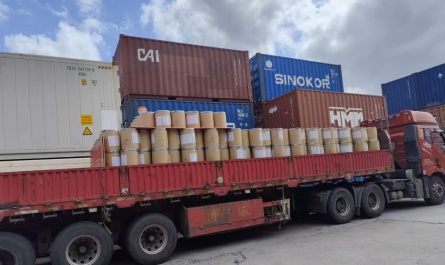 Oct 22, 202612750KG Para Nitro Phenol shipping to customerPara-Nitrophenol serves as an essential raw material for the production of insecticides, fungicides, and herbicides. Certain agrochemicals derived from it are characterized by high efficacy, low toxicity, and ease of degradation in the soil; they enable targeted control of crop pests and diseases, as well as the selective removal of weeds in fields.Read more 》
 -
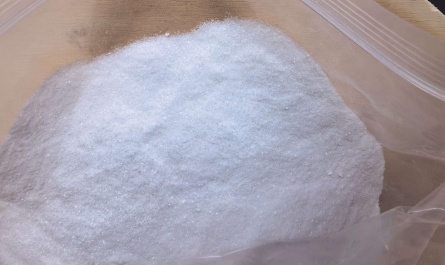 Oct 22, 2026Agricultural Uses of Forchlorfenuron 99%Forchlorfenuron with a purity of 99% is a high-grade phenylurea-based plant growth regulator (PGR) technical material. It serves primarily as a highly active cytokinin, used as a raw ingredient for formulating various commercial agricultural products designed to promote cell division, enhance fruit enlargement, and improve flower and fruit retention.Read more 》
 -
 Oct 19, 2026Using Plant Growth Regulators to Enhance Pineapple Flavor and YieldWhen registered plant growth regulators are used appropriately and in compliance with regulations, it is entirely possible to significantly increase pineapple yields while maintaining—or even enhancing—flavor.Read more 》
 -
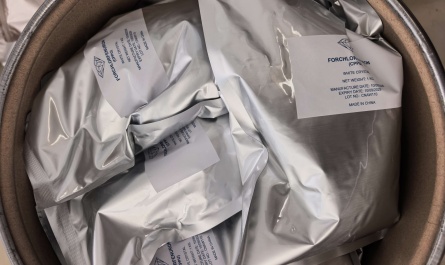 Oct 16, 2026Using Forchlorfenuron to Promote Fruit Set and Fruit EnlargementForchlorfenuron is a highly active, synthetic cytokinin-type plant growth regulator. Its primary function is to potently promote fruit set and fruit enlargement. With an activity level 5–10 times greater than that of standard 6-BA, it stands as one of the most effective agents for increasing fruit size in modern agricultural production.Read more 》
 -
 Oct 13, 2026Plant growth regulator 500KG 6-Benzylaminopurine 6-BA fast shippingApplying 6-BA to young apple trees during the structural training phase stimulates the sprouting of lateral buds, rapidly forming a high-yielding framework. In tea and tobacco cultivation, it increases the number of effective branches, leading to improvements in both yield and quality.Read more 》
 -
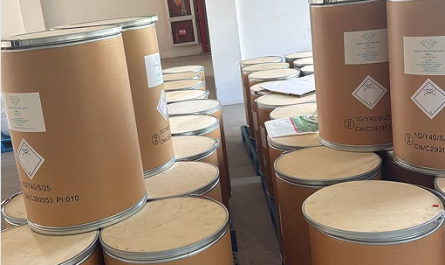 Oct 12, 20262000kg Indole-3-Butyric Acid(IBA) ready to shippingIndole-3-butyric acid (IBA) is a synthetic auxin-type plant growth regulator. Its primary function is to potently induce the formation of adventitious roots and fine lateral roots. Far more stable than natural auxins, it is the most widely used professional rooting regulator in agricultural production.Read more 》
 -
 Oct 08, 2026300kg plant hormone Uniconazole shipping outUniconazole is a highly effective, broad-spectrum triazole plant growth regulator. Its primary function is to inhibit gibberellin synthesis, thereby controlling excessive vegetative growth, promoting dwarfing, and preventing lodging. Additionally, it offers multiple benefits, including flower promotion, yield enhancement, antimicrobial activity, and stress resistance. It is 6–10 times more active than paclobutrazol, leaves only one-tenth of the soil residue, has virtually no impact on subsequent crops, and offers a safety profile far superior to that of traditional growth-control agents.Read more 》
 -
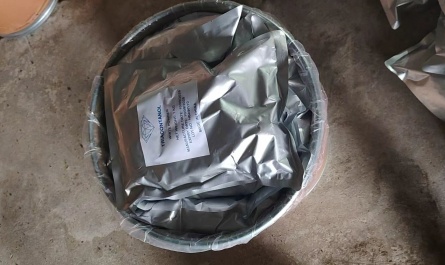 Sep 30, 2026Triacontanol Powder 300KG shipping to customersTriacontanol powder is a natural, highly efficient, and low-toxicity plant growth regulator. Its core ingredient—triacontanol—is purified from natural sources such as beeswax. It is water-soluble, rapidly absorbed by crop stems and leaves, and exerts significant regulatory effects even at extremely low concentrations.Read more 》
 -
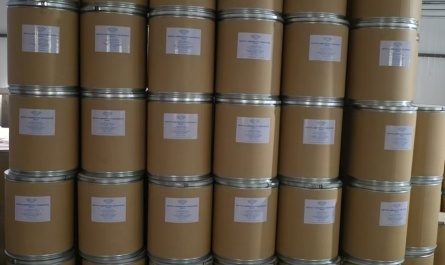 Sep 29, 2026Plant growth regulator DA-6 Diethyl aminoethyl hexanoate 3500KG ready to deliver to customersDA-6 Enhances Photosynthetic Efficiency:Significantly increases chlorophyll, protein, and nucleic acid content in crops; accelerates the rate of photosynthesis; results in darker green, thicker leaves; and markedly boosts dry matter accumulation.Read more 》