

1000KG Compound Sodium Nitrophenolates Atonik shipping to customer
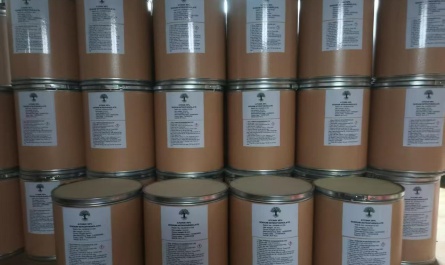
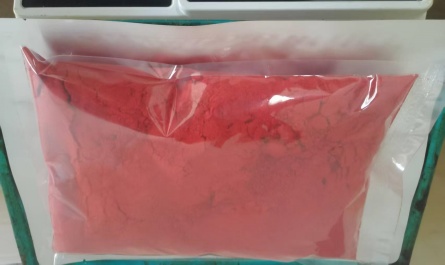
Compound Sodium Nitrophenolates Atonik
CAS NO.:67233-85-6
Chemical Name:Sodium nitrophenolate,Atonik
Purity: 98%
Dosage form: original powder
Category: plant growth regulator
Chemical composition:Sodium 5-nitroguaiacolate,Sodium ortho-nitrophenolate,Sodium para-nitrophenolate
Compound Sodium Nitrophenolates is a broad-spectrum plant growth regulator. Its core function is to promote cytoplasmic streaming and enhance cell vitality, thereby aiding in root formation, seedling strengthening, flower and fruit retention, and stress resistance. Known as a "cell activator," it can be used throughout the entire crop growth cycle and is characterized by low toxicity and a lack of harmful residues.
How can Compound Sodium Nitrophenolates be used for maximum effectiveness?
Synergistic effects are significant when Compound Sodium Nitrophenolates is used in combination:
Sodium Nitrophenolates Mixed with fertilizers:
It alleviates antagonism between fertilizer elements and improves the absorption and utilization rates of nitrogen, phosphorus, potassium, and trace elements, potentially boosting fertilizer efficiency by 20%–30%.
Sodium Nitrophenolates Mixed with pesticides:
It enhances the efficacy of fungicides and insecticides and reduces the risk of phytotoxicity, though it should not be mixed with strongly acidic pesticides.
Primarily via foliar spraying:
Compared to root application, foliar spraying allows for faster absorption and higher utilization rates; application is recommended on sunny mornings or evenings.
Key application periods for Sodium Nitrophenolates:
Seedling stage: Spray Sodium Nitrophenolates 7 days before transplanting or during the post-transplant recovery phase to promote rooting and seedling establishment.
Flowering and fruiting stages:Spray from 20 days before flowering through the early fruiting stage to retain flowers and fruit; spray during the fruit expansion stage to promote fruit development.
Before and after stress events: Apply preventively before the onset of stress conditions such as low temperatures or drought, or use for recovery and stress relief after damage has occurred.
Temperature influence: Activity drops significantly below 15°C, resulting in poor efficacy; the fastest results are observed between 25°C and 30°C, typically becoming visible within 24–48 hours.