

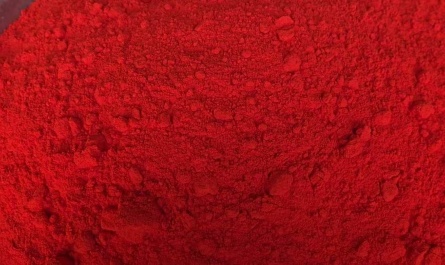
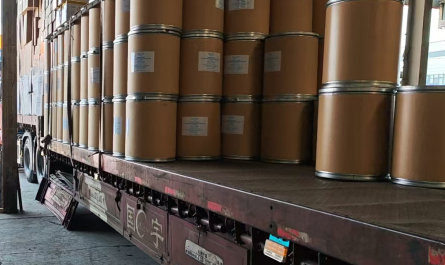
4000KG Compound Sodium Nitrophenolates shipping to customers
Compound Sodium Nitrophenolates Atonik
CAS NO.:67233-85-6
Purity: 98%
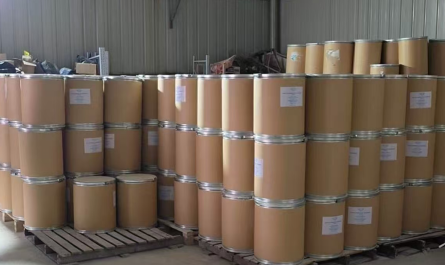
packing:1KG/bag,25bags/drum,quantity:160drums

Compound Sodium Nitrophenolates: Application Methods and Dilution Ratios
The optimal concentration of Compound Sodium Nitrophenolates varies significantly depending on the specific crop and its growth stage; therefore, users must strictly adhere to the product instructions. The following serves as a reference guide for common crops (based on a 1.8% Compound Sodium Nitrophenolates aqueous solution):
Compound Sodium Nitrophenolates Seed Soaking Treatment:
Wheat/Barley:Prepare a 6,000-fold dilution; soak seeds for 12 hours, then air-dry until semi-dry before sowing.
Rice:Soak 1 kg of rice seeds in 1 liter of a 6,000-fold dilution for 12–24 hours; sow after germination has been induced.
Soybeans/Cucumbers: Soak seeds in a 3 mg/L solution for 3–12 hours; this treatment yields significant results in promoting root development.
Compound Sodium Nitrophenolates Foliar Spray Application:
Fruit Trees: For crops such as pears, peaches, and citrus, dilute 1,500–2,000 times; for grapes, persimmons, etc., dilute 5,000–6,000 times. Apply 1–2 sprays between 20 days prior to flowering and the early fruit-setting stage.
Vegetables: For crops such as tomatoes, cucumbers, and watermelons, dilute 4,000–6,000 times. Apply one spray each during the seedling stage, flowering stage, and young fruit stage.
Grain Crops: For wheat and rice, dilute 3,000 times and apply via foliar spray during the seedling stage, jointing stage, or grain-filling stage; this helps increase the thousand-grain weight.
Compound Sodium Nitrophenolates Mixing Recommendations:
Mixing with Fertilizers:Recommended dosage is 2–5‰ (parts per thousand). This helps alleviate nutrient uptake resistance (improving tolerance to inorganic fertilizers) and significantly enhances fertilizer efficiency.
Mixing with Pesticides: Can be mixed with most insecticides and fungicides (recommended dosage: 2–5‰) to enhance efficacy and mitigate potential phytotoxicity (crop injury); however, it should *not* be mixed with strongly acidic pesticides.
CAS NO.:67233-85-6
Purity: 98%
packing:1KG/bag,25bags/drum,quantity:160drums
Compound Sodium Nitrophenolates: Application Methods and Dilution Ratios
The optimal concentration of Compound Sodium Nitrophenolates varies significantly depending on the specific crop and its growth stage; therefore, users must strictly adhere to the product instructions. The following serves as a reference guide for common crops (based on a 1.8% Compound Sodium Nitrophenolates aqueous solution):
Compound Sodium Nitrophenolates Seed Soaking Treatment:
Wheat/Barley:Prepare a 6,000-fold dilution; soak seeds for 12 hours, then air-dry until semi-dry before sowing.
Rice:Soak 1 kg of rice seeds in 1 liter of a 6,000-fold dilution for 12–24 hours; sow after germination has been induced.
Soybeans/Cucumbers: Soak seeds in a 3 mg/L solution for 3–12 hours; this treatment yields significant results in promoting root development.
Compound Sodium Nitrophenolates Foliar Spray Application:
Fruit Trees: For crops such as pears, peaches, and citrus, dilute 1,500–2,000 times; for grapes, persimmons, etc., dilute 5,000–6,000 times. Apply 1–2 sprays between 20 days prior to flowering and the early fruit-setting stage.
Vegetables: For crops such as tomatoes, cucumbers, and watermelons, dilute 4,000–6,000 times. Apply one spray each during the seedling stage, flowering stage, and young fruit stage.
Grain Crops: For wheat and rice, dilute 3,000 times and apply via foliar spray during the seedling stage, jointing stage, or grain-filling stage; this helps increase the thousand-grain weight.
Compound Sodium Nitrophenolates Mixing Recommendations:
Mixing with Fertilizers:Recommended dosage is 2–5‰ (parts per thousand). This helps alleviate nutrient uptake resistance (improving tolerance to inorganic fertilizers) and significantly enhances fertilizer efficiency.
Mixing with Pesticides: Can be mixed with most insecticides and fungicides (recommended dosage: 2–5‰) to enhance efficacy and mitigate potential phytotoxicity (crop injury); however, it should *not* be mixed with strongly acidic pesticides.
RECENT POSTS
-
13th National Plant Growth Regulator Industry Conference Held in Hebi Henan
-
Key Innovation Directions for Plant Hormone Technologies
-
Latest Growth Forecast for the Southeast Asian Plant Growth Regulator Market
-
Experiments have demonstrated excellent results using the plant hormone "Pineapple King" in Vietnamese pineapple cultivation
Featured News