

Global Fertilizer Markets Face Continued Supply and Price Pressures in November 2026
Global fertilizer markets continue to face supply uncertainty and elevated prices as geopolitical disruptions, raw material shortages, and seasonal agricultural demand affect international trade. Nitrogen and phosphate fertilizers remain particularly important areas of concern as farmers and agricultural distributors prepare for the 2027 growing season.
According to recent fertilizer market reports, prices of several major fertilizer products in the United States remained higher in early November 2026 than during the same period last year. Retail anhydrous ammonia averaged approximately $1,003 per ton, representing a 17% year-over-year increase. Urea prices reached approximately $662 per ton, up 11%, while monoammonium phosphate (MAP) increased by 7%. These figures reflect US retail market conditions rather than global export prices.
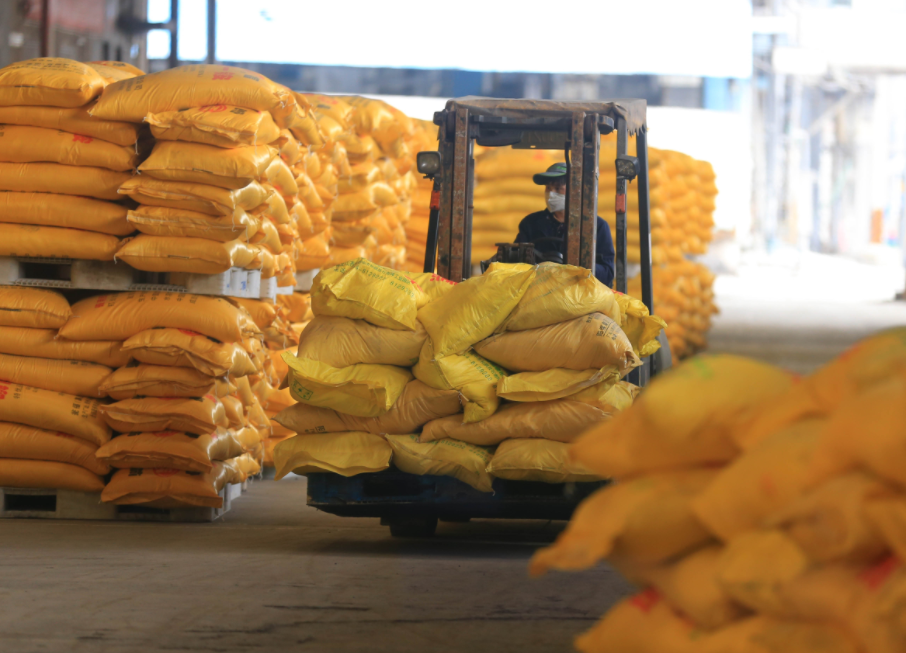
1. Supply Chain Disruptions Continue to Affect Fertilizer Markets
Geopolitical tensions and shipping disruptions around the Strait of Hormuz have affected the movement of important fertilizer products and raw materials.
The region plays a significant role in international trade of nitrogen fertilizers, ammonia, and sulfur. Sulfur is also an essential raw material for phosphate fertilizer production, meaning disruptions in sulfur supply can increase production costs for phosphate manufacturers.
Market analysts have warned that even if shipping conditions improve, fertilizer supply chains may require considerable time to return to normal.
2. Phosphate Fertilizers Face Additional Cost Pressure
Phosphate fertilizers are particularly exposed to raw material supply constraints.
Sulfur shortages, higher production costs, and transportation difficulties have contributed to elevated prices for phosphate products such as diammonium phosphate (DAP) and monoammonium phosphate (MAP).
These developments may affect fertilizer manufacturers, international distributors, and agricultural importers, particularly in countries that rely heavily on imported fertilizers.
3. Farmers and Distributors Prepare for Higher Input Costs
Higher fertilizer prices are creating additional challenges for farmers preparing their 2027 crop production budgets.
Agricultural distributors and importers are paying closer attention to inventory planning, procurement schedules, and supplier relationships. In some markets, farmers may adjust fertilizer application rates or reconsider their nutrient management programs to control production costs.
India has also approved approximately $6.65 billion in fertilizer subsidies for its October 2026–March 2027 winter crop season, reflecting the pressure that international fertilizer prices and import costs are placing on agricultural markets.
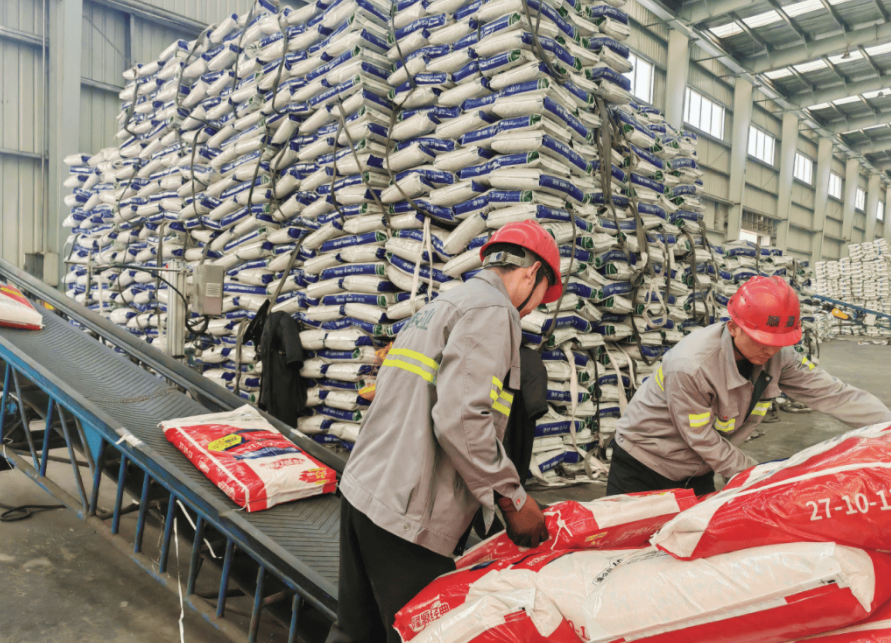
4. Outlook for the Global Fertilizer Industry
The global fertilizer market is likely to remain sensitive to geopolitical developments, energy costs, raw material availability, and international shipping conditions.
For agricultural importers and distributors, monitoring fertilizer prices and securing reliable supply sources will remain important considerations in the coming months.
As farmers seek to balance crop productivity with input costs, efficient fertilizer management and complementary crop nutrition products may receive greater attention.
Pinsoa&Aowei offers a range of plant growth regulators and crop growth solutions, including Brassinolide, DA-6, Sodium Nitrophenolate, and Seaweed Extract. These products can be incorporated into crop management programs to support plant growth, stress tolerance, and overall crop performance, depending on the crop and application requirements.
Contact us to explore suitable plant growth solutions for your agricultural market.
admin@agriplantgrowth.com
whatsapp:+86 153 2484 0068
According to recent fertilizer market reports, prices of several major fertilizer products in the United States remained higher in early November 2026 than during the same period last year. Retail anhydrous ammonia averaged approximately $1,003 per ton, representing a 17% year-over-year increase. Urea prices reached approximately $662 per ton, up 11%, while monoammonium phosphate (MAP) increased by 7%. These figures reflect US retail market conditions rather than global export prices.
1. Supply Chain Disruptions Continue to Affect Fertilizer Markets
Geopolitical tensions and shipping disruptions around the Strait of Hormuz have affected the movement of important fertilizer products and raw materials.
The region plays a significant role in international trade of nitrogen fertilizers, ammonia, and sulfur. Sulfur is also an essential raw material for phosphate fertilizer production, meaning disruptions in sulfur supply can increase production costs for phosphate manufacturers.
Market analysts have warned that even if shipping conditions improve, fertilizer supply chains may require considerable time to return to normal.
2. Phosphate Fertilizers Face Additional Cost Pressure
Phosphate fertilizers are particularly exposed to raw material supply constraints.
Sulfur shortages, higher production costs, and transportation difficulties have contributed to elevated prices for phosphate products such as diammonium phosphate (DAP) and monoammonium phosphate (MAP).
These developments may affect fertilizer manufacturers, international distributors, and agricultural importers, particularly in countries that rely heavily on imported fertilizers.
3. Farmers and Distributors Prepare for Higher Input Costs
Higher fertilizer prices are creating additional challenges for farmers preparing their 2027 crop production budgets.
Agricultural distributors and importers are paying closer attention to inventory planning, procurement schedules, and supplier relationships. In some markets, farmers may adjust fertilizer application rates or reconsider their nutrient management programs to control production costs.
India has also approved approximately $6.65 billion in fertilizer subsidies for its October 2026–March 2027 winter crop season, reflecting the pressure that international fertilizer prices and import costs are placing on agricultural markets.
4. Outlook for the Global Fertilizer Industry
The global fertilizer market is likely to remain sensitive to geopolitical developments, energy costs, raw material availability, and international shipping conditions.
For agricultural importers and distributors, monitoring fertilizer prices and securing reliable supply sources will remain important considerations in the coming months.
As farmers seek to balance crop productivity with input costs, efficient fertilizer management and complementary crop nutrition products may receive greater attention.
Pinsoa&Aowei offers a range of plant growth regulators and crop growth solutions, including Brassinolide, DA-6, Sodium Nitrophenolate, and Seaweed Extract. These products can be incorporated into crop management programs to support plant growth, stress tolerance, and overall crop performance, depending on the crop and application requirements.
Contact us to explore suitable plant growth solutions for your agricultural market.
admin@agriplantgrowth.com
whatsapp:+86 153 2484 0068
RECENT POSTS
-
Global Fertilizer Markets Face Continued Supply and Price Pressures in November 2026
-
10,800 KG Sodium Para-Nitrophenolate Successfully Dispatched
-
Repeat Order from Client:Growing Market Recognition for Plant Growth Regulators in Pineapple Cultivation
-
How Plant Growth Regulators Improve Fruit Size and Quality
Featured News