

Mepiquat chloride is mild and non-irritating to crops offering enhanced safety
Mepiquat chloride is a gibberellin inhibitor.
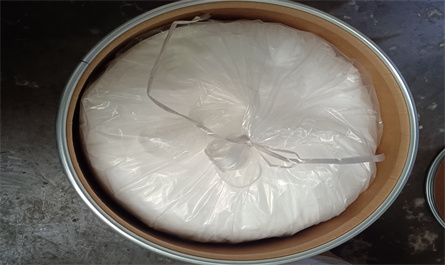
It enhances chlorophyll synthesis and promotes plant health. It is absorbed through leaves and roots and distributed throughout the plant, inhibiting cell elongation and apical dominance. It also shortens internodes, resulting in a more compact plant shape. It can also slow vegetative growth, prevent excessive growth, and delay row closure. Mepiquat chloride improves cell membrane stability and enhances plant stress resistance.
Compared to paclobutrazol and uniclobutrazol, it is milder, non-irritating, and safer. It can be applied at virtually any crop stage, even during the seedling and flowering stages, when crops are particularly sensitive to the drug, with virtually no adverse side effects.
It enhances chlorophyll synthesis and promotes plant health. It is absorbed through leaves and roots and distributed throughout the plant, inhibiting cell elongation and apical dominance. It also shortens internodes, resulting in a more compact plant shape. It can also slow vegetative growth, prevent excessive growth, and delay row closure. Mepiquat chloride improves cell membrane stability and enhances plant stress resistance.
Compared to paclobutrazol and uniclobutrazol, it is milder, non-irritating, and safer. It can be applied at virtually any crop stage, even during the seedling and flowering stages, when crops are particularly sensitive to the drug, with virtually no adverse side effects.
RECENT POSTS
-
13th National Plant Growth Regulator Industry Conference Held in Hebi Henan
-
Key Innovation Directions for Plant Hormone Technologies
-
Latest Growth Forecast for the Southeast Asian Plant Growth Regulator Market
-
Experiments have demonstrated excellent results using the plant hormone "Pineapple King" in Vietnamese pineapple cultivation
Featured News