

Smart responsive plant growth regulators help reduce pesticide use and increase production in agriculture
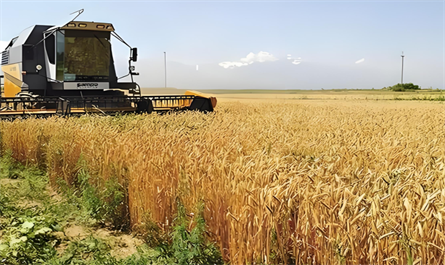
Recently, the Chinese Academy of Agricultural Sciences has developed the first "environmentally responsive" plant growth regulator, which uses nanocarriers to achieve intelligent release of active ingredients. The product can dynamically regulate the release rate of substances such as Gibberellic Acid (GA3) and Chlormequat Chloride according to changes in temperature, humidity and light intensity during the crop growth stage, solving the problem of excessive use of traditional regulators.
Field tests show that after application during the jointing stage of wheat, the lodging rate of plants is reduced by 40%, while the dosage of pesticides is reduced by 30%. Professor Li, the project leader, said: "This technology increases the utilization rate of regulators from less than 50% to 85%, providing a new paradigm for green agriculture."
RECENT POSTS
-
13th National Plant Growth Regulator Industry Conference Held in Hebi Henan
-
Key Innovation Directions for Plant Hormone Technologies
-
Latest Growth Forecast for the Southeast Asian Plant Growth Regulator Market
-
Experiments have demonstrated excellent results using the plant hormone "Pineapple King" in Vietnamese pineapple cultivation
Featured News