

What factors should be considered when selecting plant growth regulators?
The following factors should be considered when selecting plant growth regulators:
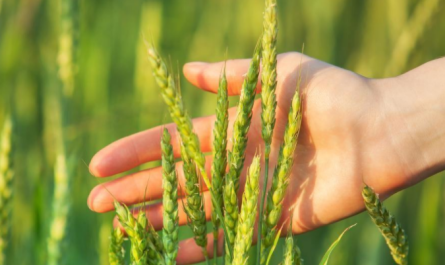
1. Selecting the appropriate type:
There is a wide variety of plant growth regulators on the market, categorized into broad-spectrum and specialized types. Broad-spectrum regulators can be used on various plants, whereas specialized ones are limited to one or two specific types; selection should be targeted based on the specific need.
2. Crop type and growth stage:
Different crops exhibit varying levels of sensitivity to plant growth regulators. The appropriate regulator should be selected based on the crop variety's characteristics, its growth stage, and the specific objective of the treatment.
3. Application concentration and frequency:
Crops have strict requirements regarding the concentration of regulators; concentrations that are too high or too low can lead to adverse effects. Application should be managed flexibly based on the type of regulator, the intended purpose, and the crop's growth stage.
4. Timing and method of application:
The timing of application should be determined by the regulator's type, the duration of its efficacy, and cultivation requirements. For example, when using Paclobutrazol (Paclo) on rapeseed to cultivate short, sturdy seedlings, it should be sprayed on a sunny morning or evening during the three-leaf stage.
5. Mixing and compatibility:
When mixing with other agrochemicals, proper pairing and rational mixing are essential. One must fully understand any synergistic or antagonistic effects between the products being mixed.
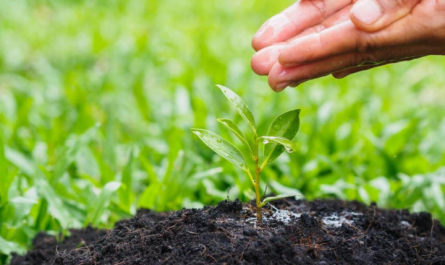
6. Avoid use on seed-production fields:
Plant growth regulators should not be used on crops intended for seed production, as certain regulators can cause an increase in sterile spikes and significantly reduce seed germination rates.
7. Environmental factors:
Consideration must be given to environmental factors such as temperature, light, and humidity. For instance, concentrations should be lower in high temperatures and slightly higher in low temperatures; summer applications should avoid the scorching midday sun; and if rain occurs shortly after application, the solution may be washed off, necessitating re-application.
8. Cannot substitute chemicals for fertilizer:
Plant growth regulators cannot replace fertilizers, water, or other standard agricultural practices. Even growth-promoting regulators require adequate fertilizer and water to be effective. In summary, the selection of plant growth regulators requires comprehensive consideration of various factors—such as crop type, growth stage, application concentration, timing and method, tank-mixing compatibility, seed-saving requirements, environmental conditions, and water and fertilizer management—to ensure scientific and rational use and achieve the desired results.
1. Selecting the appropriate type:
There is a wide variety of plant growth regulators on the market, categorized into broad-spectrum and specialized types. Broad-spectrum regulators can be used on various plants, whereas specialized ones are limited to one or two specific types; selection should be targeted based on the specific need.
2. Crop type and growth stage:
Different crops exhibit varying levels of sensitivity to plant growth regulators. The appropriate regulator should be selected based on the crop variety's characteristics, its growth stage, and the specific objective of the treatment.
3. Application concentration and frequency:
Crops have strict requirements regarding the concentration of regulators; concentrations that are too high or too low can lead to adverse effects. Application should be managed flexibly based on the type of regulator, the intended purpose, and the crop's growth stage.
4. Timing and method of application:
The timing of application should be determined by the regulator's type, the duration of its efficacy, and cultivation requirements. For example, when using Paclobutrazol (Paclo) on rapeseed to cultivate short, sturdy seedlings, it should be sprayed on a sunny morning or evening during the three-leaf stage.
5. Mixing and compatibility:
When mixing with other agrochemicals, proper pairing and rational mixing are essential. One must fully understand any synergistic or antagonistic effects between the products being mixed.
6. Avoid use on seed-production fields:
Plant growth regulators should not be used on crops intended for seed production, as certain regulators can cause an increase in sterile spikes and significantly reduce seed germination rates.
7. Environmental factors:
Consideration must be given to environmental factors such as temperature, light, and humidity. For instance, concentrations should be lower in high temperatures and slightly higher in low temperatures; summer applications should avoid the scorching midday sun; and if rain occurs shortly after application, the solution may be washed off, necessitating re-application.
8. Cannot substitute chemicals for fertilizer:
Plant growth regulators cannot replace fertilizers, water, or other standard agricultural practices. Even growth-promoting regulators require adequate fertilizer and water to be effective. In summary, the selection of plant growth regulators requires comprehensive consideration of various factors—such as crop type, growth stage, application concentration, timing and method, tank-mixing compatibility, seed-saving requirements, environmental conditions, and water and fertilizer management—to ensure scientific and rational use and achieve the desired results.
RECENT POSTS
-
13th National Plant Growth Regulator Industry Conference Held in Hebi Henan
-
Key Innovation Directions for Plant Hormone Technologies
-
Latest Growth Forecast for the Southeast Asian Plant Growth Regulator Market
-
Experiments have demonstrated excellent results using the plant hormone "Pineapple King" in Vietnamese pineapple cultivation
Featured News