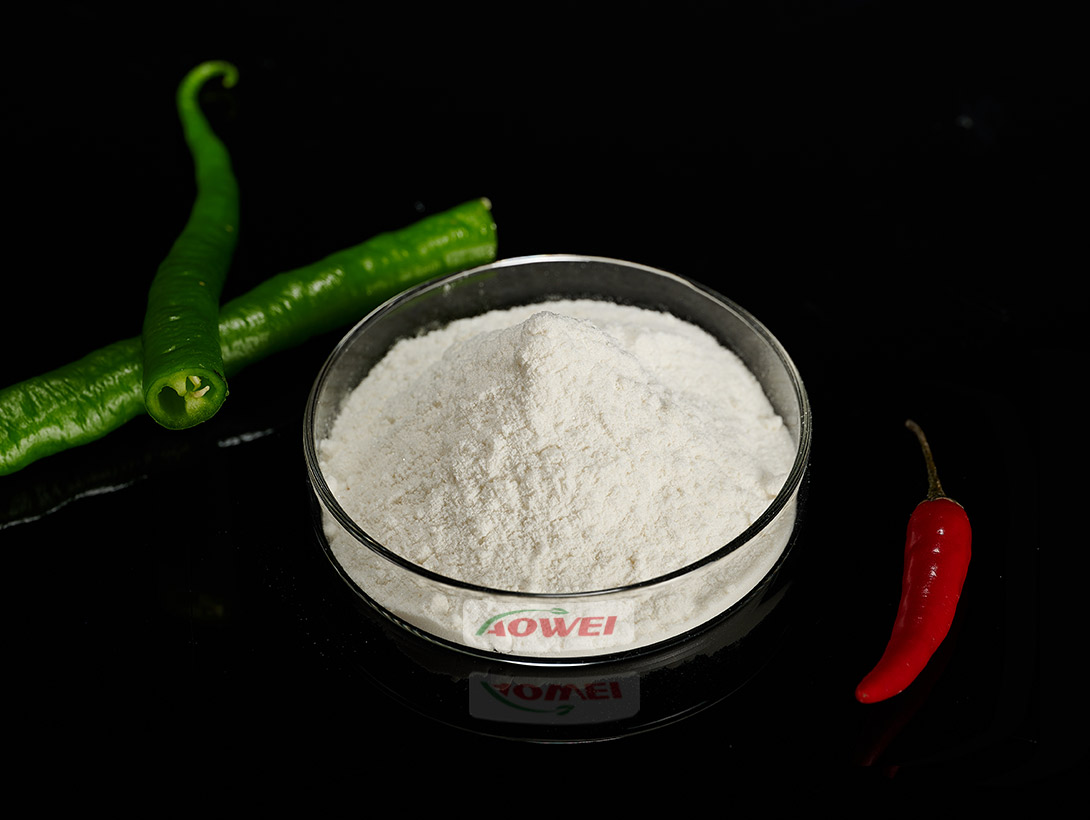
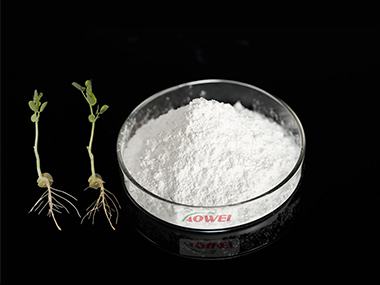
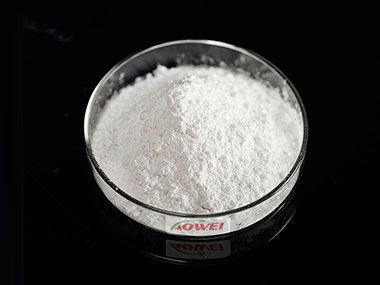
Mepiquat chloride is a broad-spectrum plant growth regulator characterized by its mild action and high safety profile. It effectively controls excessive vegetative growth and promotes sturdy, compact plants across various crops; when used correctly, it prevents premature senescence, making it a widely adopted product in agricultural production.
I. Core Mechanisms of Action
Growth Control and Sturdy Plant Structure: It inhibits gibberellin biosynthesis, slowing down excessive stem and leaf elongation, shortening internode lengths, creating a compact plant architecture, and enhancing lodging resistance.
Preventing Premature Senescence and Boosting Yield:It facilitates nutrient transport to reproductive organs, improves chlorophyll synthesis efficiency, and extends the lifespan of functional leaves. By preventing premature senescence caused by excessive vegetative growth, it ultimately enhances crop yield and quality.
II. Broad Applicability Across Crops
Mepiquat chloride is suitable for almost all major crops, achieving true "universal crop compatibility":
Field Crops (Grains, Cotton, Oilseeds): Suitable for cotton, wheat, corn, rice, peanuts, soybeans, and potatoes. It is a classic regulator for controlling cotton growth and can also be used to prevent lodging in wheat during the jointing stage.
Fruit and Vegetable Cash Crops: Suitable for fruit trees (grapes, apples, pears, citrus) and vegetables (tomatoes, peppers, cucumbers, watermelons). It helps control the sprouting of summer shoots and improves fruit-setting rates.
Other Crops: Can be used on tuber crops (sweet potatoes, scallions) and alliums (onions, garlic), as well as for the maintenance of ornamental plants (chrysanthemums, scarlet sage) and lawns.
III. Key Application Guidelines for "Sturdy Growth Without Premature Senescence"
Follow the Principle of "Small Doses, Multiple Applications; Lighter Early, Heavier Later": Do not exceed recommended single-application rates; split the treatment into 2–3 applications rather than using a high concentration all at once to avoid excessive growth inhibition.
Select the Right Timing: Apply during the early stages of vigorous growth. Avoid application on weak seedlings or during sensitive flowering periods (though it can be safely used during flowering for certain registered crops). Ideally, spray in the evening on a clear day. Adjust concentration based on the crop: Modify the dilution ratio according to label instructions for different crops; for instance, a 1,500–2,000-fold dilution is recommended for gramineous crops, while an 800–1,200-fold dilution is suggested for fruit trees.
Complementary nutritional management: Follow application with foliar fertilizers containing potassium dihydrogen phosphate and trace elements like boron and zinc to replenish nutrients and prevent premature senescence at the source.