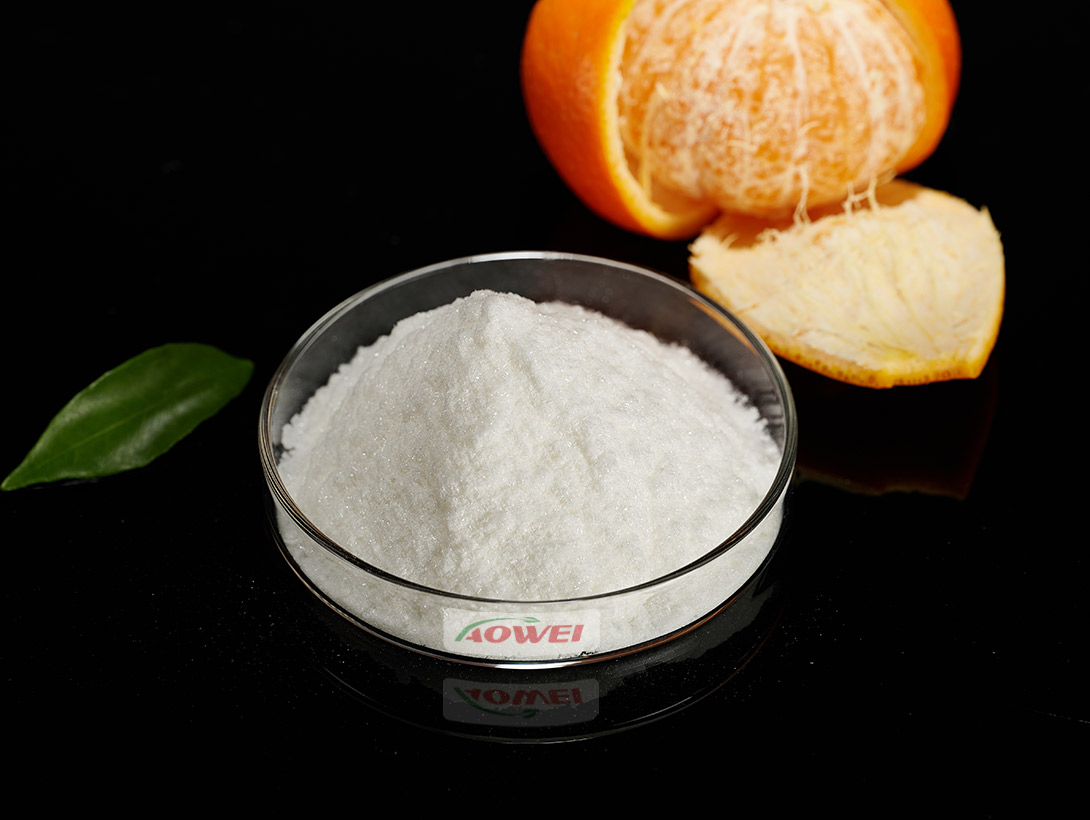
Prohexadione calcium (ProCa), as a plant growth regulator, has multiple effects on fruit trees, including shoot control, flower promotion, and fruit preservation, specifically as follows:
Shoot control without affecting fruit development: Prohexadione calcium inhibits the key enzyme (GA20 oxidase) in gibberellin synthesis, shortening internode length, reducing plant height, and preventing excessive autumn shoot growth in fruit trees, while not affecting the endogenous hormone balance required for flower and fruit development, thus achieving shoot control without affecting fruit development.
Promoting root development: Prohexadione calcium stimulates root tip cell division, promotes deep rooting of the main root and multiplication of lateral roots, enhances stem strength, and improves the fruit tree's resistance to lodging.
Stress resistance and quality improvement: It induces the synthesis of osmoregulatory substances such as proline, improving the fruit tree's ability to cope with drought and low temperatures, while also improving fruit quality, such as increasing apple sugar content by 2-3 percentage points and reducing citrus peel disorders by 40%.
Safe and low residue: The degradation rate reaches 90% within 7 days after application, and the residue level is below 0.01 ppm (EU standard), making it suitable for the entire growing season.
Labor-saving and efficient: It replaces traditional topping and pruning labor, reducing labor costs and improving the input-output ratio.
Inducing pathogen resistance: By inducing the formation of 3-deoxyflavonoids, it triggers pathogen resistance, reducing the incidence of diseases such as fire blight and scab.