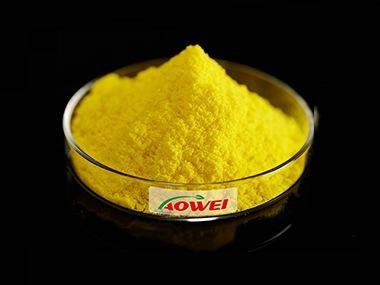
Mepiquat chloride (aqueous solution) is a highly effective regulator suited for the comprehensive chemical management of cotton; through targeted application, it can shape the ideal plant architecture and partially replace manual pruning.
Key effects of Mepiquat chloride on controlling excessive growth and pruning:
Inhibits excessive vegetative growth: By suppressing gibberellin synthesis, it slows the elongation of main stem and fruiting branch internodes and inhibits the sprouting of lateral branches and vegetative buds. This results in short, sturdy, and compact cotton plants, preventing issues associated with overly tall, large, and sparse canopies (such as poor airflow and light penetration).
Simplifies pruning operations: Application reduces axillary bud growth by 70%, significantly cutting down the labor required for manual bud removal and pruning, effectively substituting some manual tasks with "chemical pruning."
Optimizes canopy structure: It improves ventilation and light penetration in the lower and middle sections of the cotton field, enhances photosynthetic efficiency, reduces boll rot and pest/disease incidence, and creates favorable conditions for concentrated boll setting.
Recommended application methods for Mepiquat chloride:
Follow the principle of "light application early, heavier application later; small doses, multiple times": apply lightly during the seedling stage to promote robust growth; gradually increase the dosage during the budding and flowering stages to control excessive growth; and apply a "chemical topping" treatment 7–10 days after manual topping. This comprehensive chemical management approach achieves the ideal plant architecture without the need for frequent manual pruning.