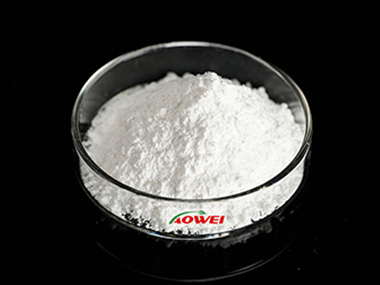
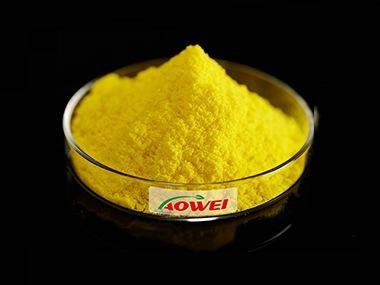
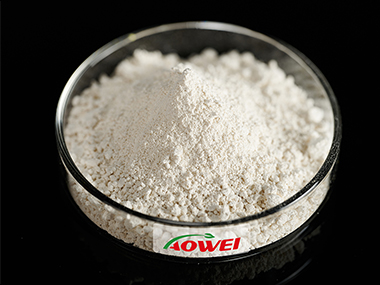
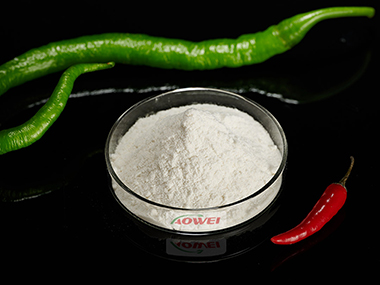
S-Abscisic Acid, produced through microbial fermentation, truly embodies the characteristics of being "green" and "residue-free." Simultaneously, it effectively enhances crops' resistance to cold, drought, and frost damage, thereby facilitating flower preservation, fruit retention, and stable yields. Its core advantages and functions are outlined below:
**Core Characteristics of S-Abscisic Acid: Green, Safe, and Residue-Free**
S-Abscisic Acid is an endogenous substance naturally present in all green plants. Current commercial products are obtained through microbial fermentation, boasting high purity and potent biological activity. It is non-toxic and non-irritating to humans and animals; furthermore, its application leaves no harmful residues in the soil or crops, fully meeting the production standards of green and organic agriculture.
**Core Functions of S-ABA in Stress Resistance and Protection**
**S-ABA for Cold and Frost Resistance:** When applied prior to the onset of low temperatures, S-ABA triggers the expression of cold-resistance genes in crops. This induces the production of cold-protective proteins within the plant, enhances the stability of biological membranes, and helps crops safely endure periods of low temperatures and cold waves, thereby minimizing frost damage to flower buds and young fruits caused by late-spring chills or freezing conditions.
**S-ABA for Drought Resistance and Water Retention:** Under drought stress, S-ABA induces the partial closure of leaf stomata, thereby reducing water loss through transpiration within the crop. It also helps maintain root vitality, enabling crops to withstand short-term drought conditions and preventing the premature shedding of flowers and fruits often caused by water scarcity.
**S-ABA Benefits for Fruit Setting and Yield Stability**
S-Abscisic Acid regulates hormonal metabolism within the crop and promotes the balanced absorption of nutrients. On one hand, it improves flower quality and enhances the efficiency of pollination and fertilization, thereby reducing the probability of flower and fruit drop. On the other hand, under adverse conditions, it safeguards the plant's normal growth processes—stabilizing photosynthesis and nutrient accumulation—ultimately leading to stable and increased yields, while also improving fruit coloration and overall quality.