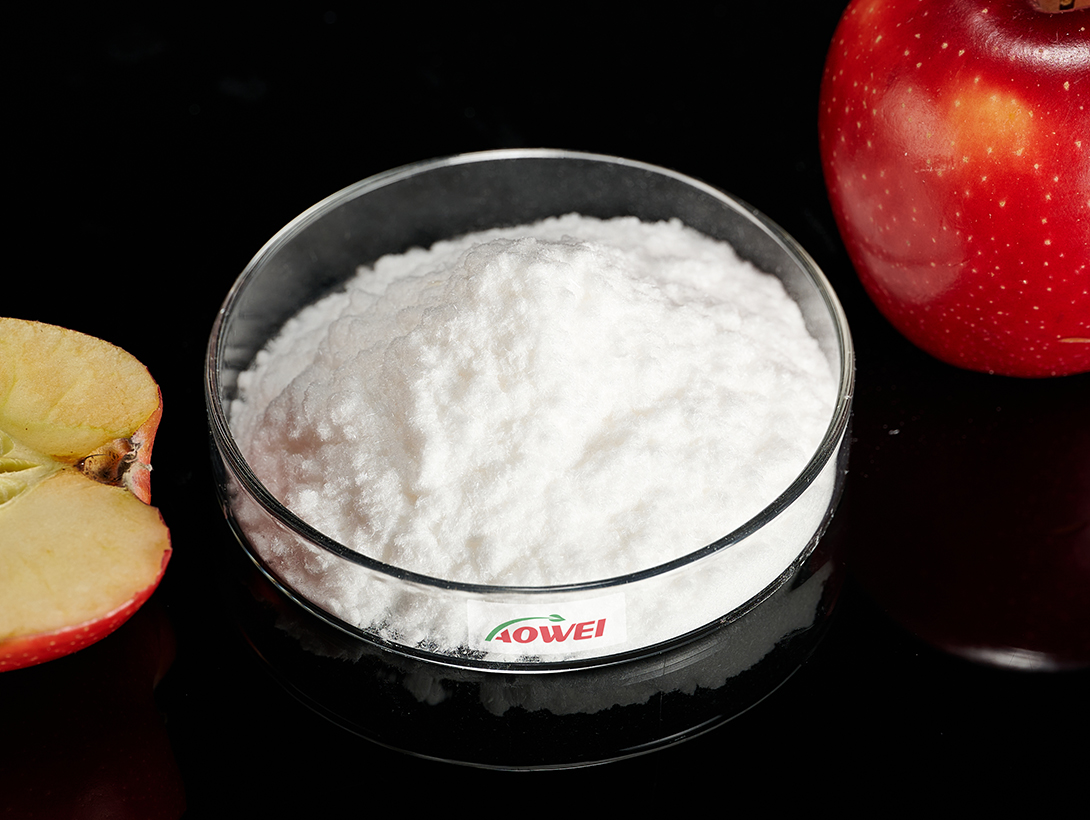
Using Mepiquat chloride on beans helps control vine overgrowth and strengthens the plants, ensuring continuous pod formation without premature senescence. Compared to Chlormequat chloride (CCC), it is milder, has less negative impact on pod development, and offers a safer option for regulating excessive vegetative growth in bean cultivation.
I. Key Effects of Mepiquat Chloride
Controls vine growth and strengthens plants: Inhibits excessive elongation of main vines and lateral branches, shortens internode length, thickens stems, prevents lodging, and reduces the waste of nutrients on unproductive growth.
Promotes continuous pod formation:Shifts the plant's energy from vegetative growth to reproductive growth, directing more nutrients to flowers and young pods; reduces flower and pod drop, increases pod density, and extends the harvest period.
Prevents premature senescence: Enhances chlorophyll synthesis and photosynthetic efficiency, delays the yellowing and aging of functional leaves, and ensures a steady nutrient supply during the mid-to-late stages of pod formation.
II. Application Guidelines for Beans
Optimal timing: Spray when the plants reach a height of 50–80 cm. Apply on a sunny afternoon after 4:00 PM to avoid the high temperatures of midday.
Recommended concentration:Use a 25% Mepiquat chloride aqueous solution diluted 500–800 times according to the label instructions. A low concentration is sufficient; strictly avoid arbitrarily increasing the dosage.
Application technique:Lightly spray only the leaves on the upper and middle sections of the plant. Do not repeatedly spray the entire plant, as excessive application may inhibit pod formation.
III. Complementary Management and Precautions
Prioritize physical growth control:Initially control excessive growth by managing water and nitrogen fertilizer. Apply Mepiquat chloride only if the vines continue to grow rampantly; avoid premature use that could inhibit normal development.
Do not use on weak plants:If the plants are weak or suffering from drought and nutrient deficiency, restore their vigor with water and fertilizer first before considering growth regulation. Remedial measures for premature senescence: During the mid-to-late pod-filling stage, apply a balanced water-soluble fertilizer via irrigation; if leaves turn yellow, supplement with a foliar spray of amino acid fertilizer to further extend the harvest period by more than 10 days.
Guidelines to avoid phytotoxicity: Strictly avoid repeated spraying or excessive application, as this can cause pods to become short and thick, compromising marketability; if excessive growth inhibition occurs, spray with a low concentration of gibberellin to alleviate the effect.