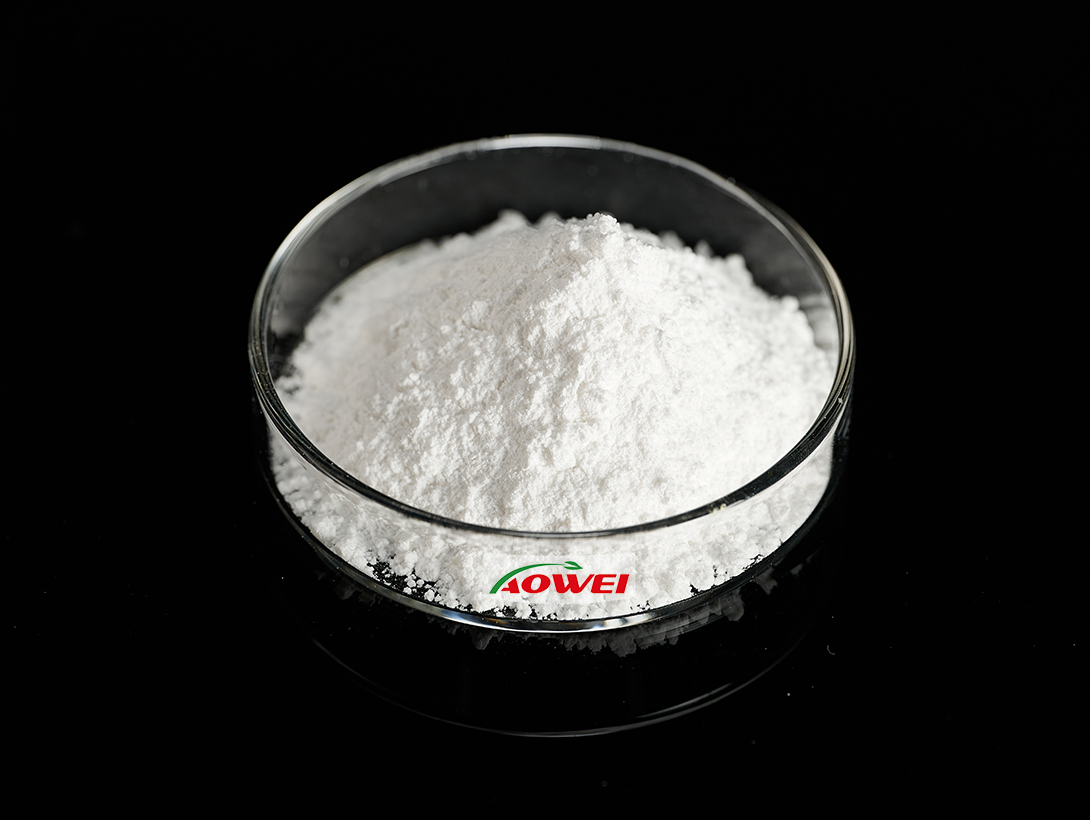
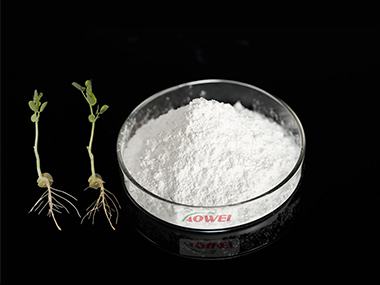
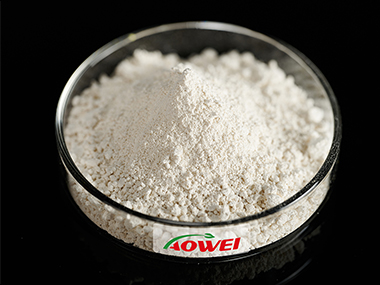
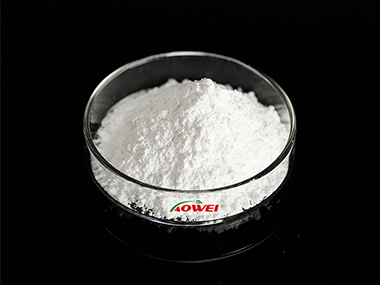
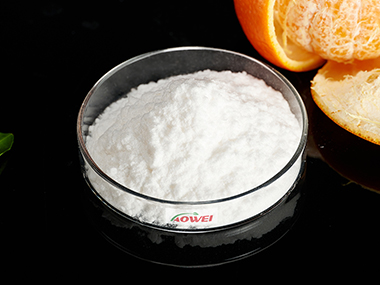
Using specialized Mepiquat chloride on plots with abundant water and fertilizer yields outstanding results in controlling excessive vegetative growth and boosting production; it is ideally suited for cultivation scenarios where high soil fertility makes crops prone to rank growth.
**Performance in growth control and lodging resistance**
It inhibits gibberellin activity within the plant, shortening internodes and reducing plant height. This results in thicker, tougher stems, significantly lowering the risk of lodging in high-fertility fields while preventing issues such as excessive foliage growth and canopy overcrowding.
**Effects on yield and quality**
While controlling excessive growth, it regulates nutrient partitioning, directing more nutrients toward reproductive organs—such as ears, grains, and fruits. It reduces the shedding of buds, bolls, flowers, and fruit, while improving fruit set rates and thousand-grain weight; yield increases of 10%–20% are commonly achieved in crops like cotton, wheat, and peanuts.
**Key application guidelines**
Adhere to the principle of "spray the vigorous, not the weak; spray the well-nourished, not the nutrient-deficient." Apply only to robust, rapidly growing plants using a "small amounts, multiple applications" strategy. Avoid application on weak seedlings or drought-stressed crops to prevent inhibiting normal growth.