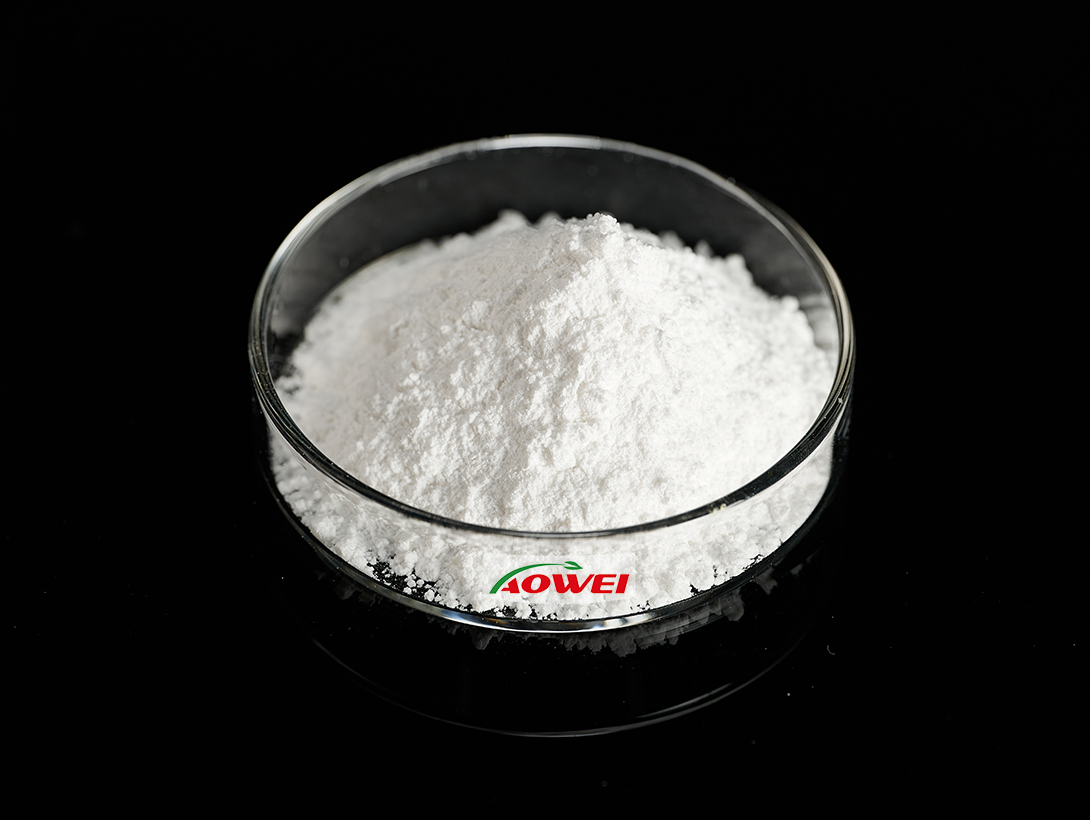
Mepiquat chloride (soluble powder) is a mild, systemic plant growth regulator capable of bidirectional regulation; it controls excessive vegetative growth while preventing premature crop senescence. Its key features and usage guidelines are as follows:
I. Key Advantages of Mepiquat Chloride’s Bidirectional Regulation
By inhibiting gibberellin biosynthesis, it controls the leggy growth of stems and leaves and promotes a compact plant architecture without excessively suppressing overall growth. It fosters robust root development and enhances photosynthetic efficiency, ensuring a continuous supply of nutrients to the crop. This prevents issues such as plant yellowing or premature senescence often associated with growth control, offering a safety profile far superior to products like paclobutrazol.
II. Crops Suitable for Mepiquat Chloride
It is widely applicable to various field crops and cash crops, including cotton, wheat, rice, peanuts, vegetables, citrus, apples, and grapes. Its application is most established in cotton cultivation, where it effectively preserves flower buds and bolls, thereby reducing shedding.
III. Key Application Guidelines
For cotton fields, the recommended dosage is 3–4 grams per mu. It should be sprayed once during the early flowering stage and once during the peak flowering stage. The pre-harvest interval is 28 days, with a maximum of two applications per season.