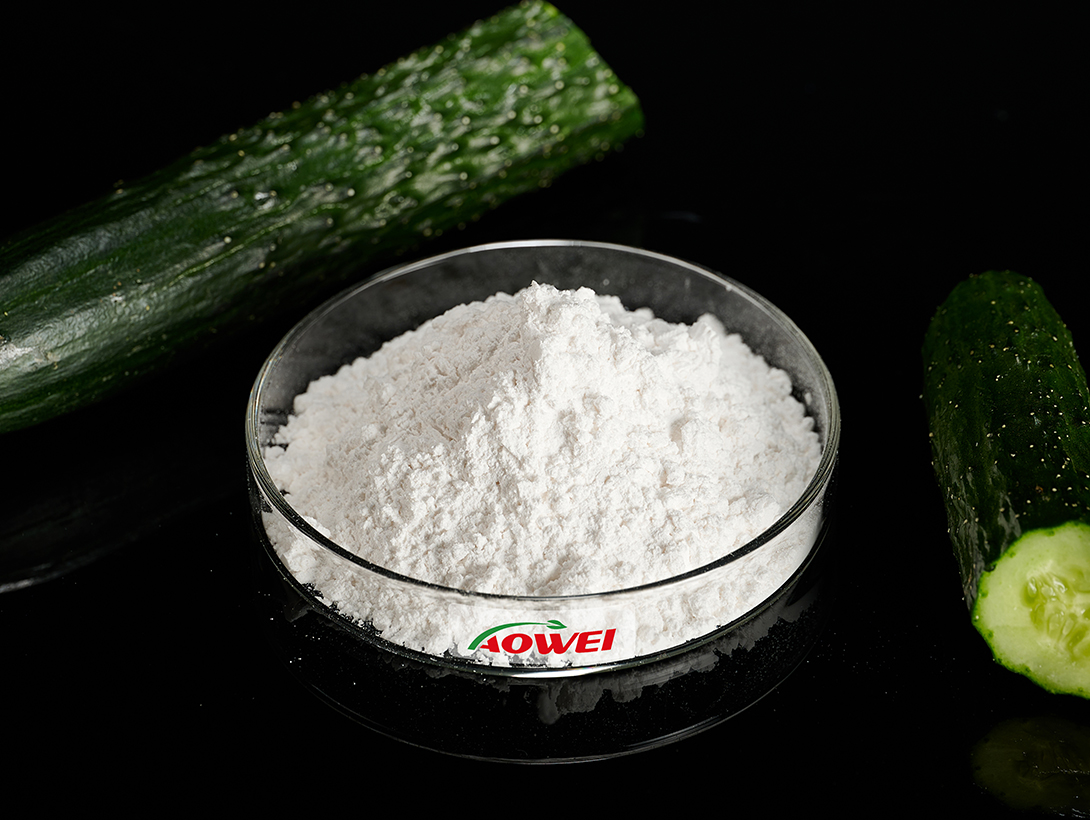
Both Uniconazole and Mepiquat chloride are gibberellin biosynthesis inhibitors. When combined, they synergistically inhibit gibberellin biosynthesis in wheat, controlling vegetative growth while overcoming the limitations of using either agent alone, thereby striking a balance between curbing excessive growth and promoting healthy development.
Key benefits of Uniconazole & Mepiquat chloride: promoting tillering and increasing thousand-grain weight
Promoting effective tillering: Application during the seedling stage fosters a robust root system with increased fine roots, encourages the early emergence of vigorous tillers, balances the growth of primary and secondary tillers, significantly boosts the effective ear-bearing rate, and prevents nutrient waste caused by ineffective tillers.
Increasing thousand-grain weight: By curbing excessive vegetative growth, nutrients are diverted away from stem elongation and toward the ear and grain. This ensures more abundant grain filling during the later stages and allows weaker grains to develop more fully, ultimately significantly increasing the thousand-grain weight and resulting in larger ears and a uniform canopy structure for higher yields.
Additional benefits: The combination shortens the basal internodes (nodes 1–3), resulting in thicker, tougher stems and significantly improved lodging resistance; furthermore, it leaves low soil residues, ensuring high safety for subsequent crops.
III. Application guidelines for Uniconazole & Mepiquat chloride
The product can be applied in two sprays: once at the 3–4 leaf stage and again between the green-up stage and the early jointing stage. Dilute with 30 kg of water per mu (approx. 667 m²) according to the recommended dosage and spray evenly. Do not apply to fields with weak or yellowing seedlings.