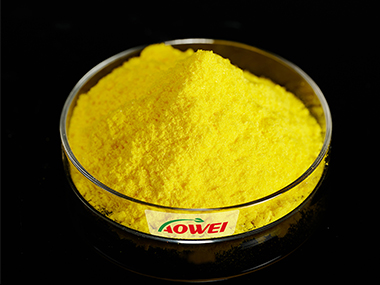
Zeatin-based watermelon blossom and fruit retention agents effectively increase fruit set rates, promote fruit expansion, and enhance sweetness and quality; they serve as a bio-sourced plant growth regulator suitable for the entire watermelon cultivation cycle.
Zeatin Core Mechanism of Action
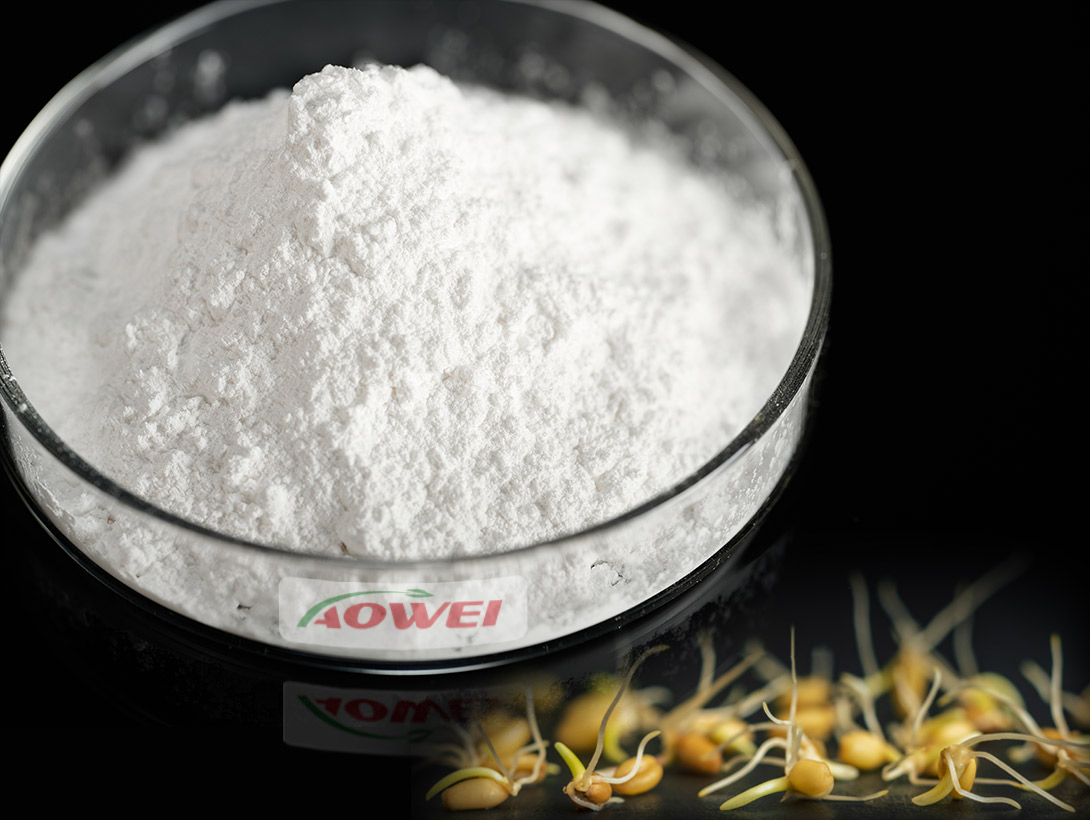
Zeatin is a natural cytokinin extracted from corn kernels. It is low-toxicity and poses no residue risk, having been designated by the Ministry of Agriculture and Rural Affairs as a variety exempt from residue testing. By stimulating cell division, delaying chlorophyll degradation, and boosting photosynthetic efficiency, it addresses fundamental challenges in watermelon cultivation—such as blossom and fruit drop, slow fruit expansion, and insufficient sweetness—at the source.
Four Key Benefits of Zeatin
Zeatin Increases Fruit Set Rate: Enhances pollen viability and elongates pollen tubes, improving natural pollination success. It inhibits the formation of the abscission layer at the fruit stalk, reducing fruit abortion and drop caused by adverse conditions like low temperatures and rain; proper use can increase the fruit set rate by 35%–45%.
Zeatin Promotes Fruit Expansion:Accelerates cell division in young fruit, ensuring uniform and orderly expansion. Field tests show an average increase in individual watermelon weight of 10%–20%, while preventing issues like hollow hearts and white fibrous strands.
Zeatin Enhances Sweetness and Quality:Promotes the transport of photosynthetic nutrients to the fruit and increases the soluble solids content in the flesh. Sweetness can improve by 2–3 Brix degrees, resulting in firmer, crisper flesh.
Zeatin Stress Resistance and Stable Growth:Improves the plant's tolerance to high and low temperatures, prevents excessive vine growth, and reduces the incidence of deformed or cracked fruit, significantly increasing the marketable fruit yield.
Scientific Application Protocol for Zeatin in Watermelon Cultivation
Early Flowering Stage:Apply a mixture of 10 mg/L Zeatin and boron fertilizer, diluted 300-fold with water, as a foliar spray over the entire plant. Focus spraying on flower buds to activate flower buds and reduce the occurrence of weak or defective flowers.
Peak Flowering Stage: On the day the female flower opens (or one day before or after), evenly spray the young ovary with a mixture of zeatin and gibberellin, or lightly dab the stigma with a cotton swab to enhance fertilization and fruit set efficiency.
Early Fruit Expansion Stage:Mix zeatin with potassium dihydrogen phosphate (diluted 300-fold with water) and spray the young fruit and surrounding leaves; repeat the application after 7–10 days to balance nutrient supply and promote fruit enlargement and sweetness accumulation.
Zeatin Application Precautions: Spray on sunny days between 9:00 and 11:00 AM or in the late afternoon, avoiding the high heat of midday. Strictly adhere to the recommended concentration ratios; do not arbitrarily increase the dosage, as this may scorch floral parts and result in deformed fruit.