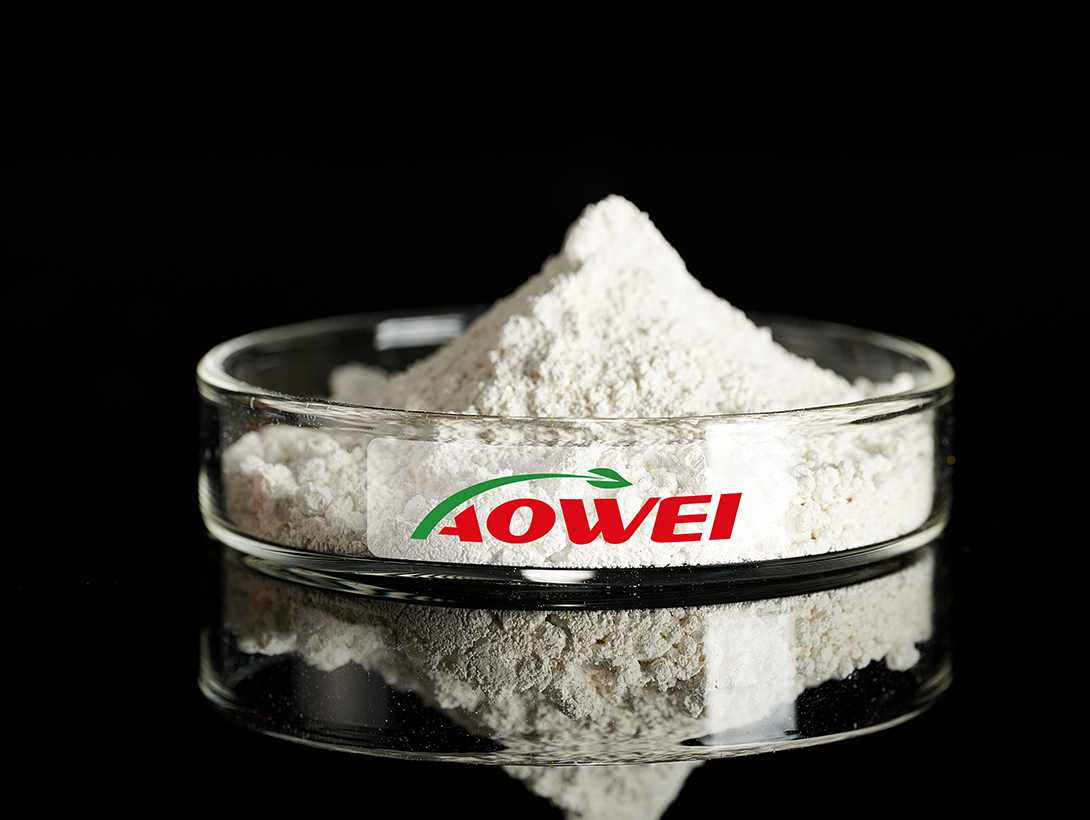
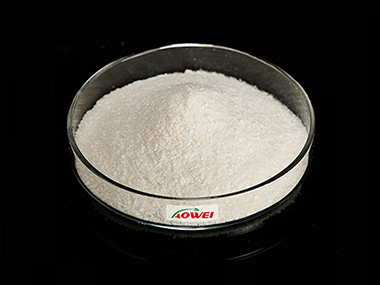
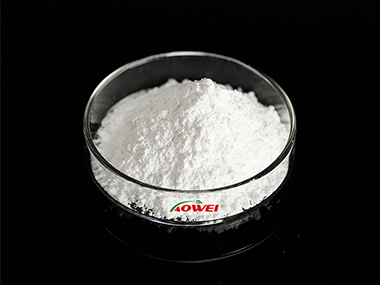
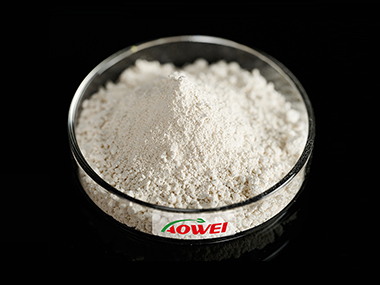
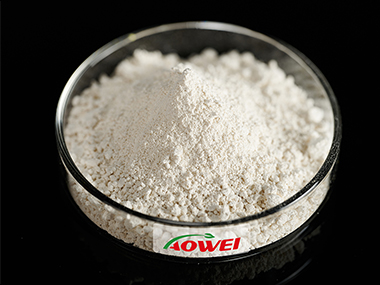
Mepiquat chloride is a mild, highly safe plant growth regulator. Its primary function is to inhibit excessive vegetative growth (stem and leaf overgrowth) while boosting yield and quality; it is widely used in agriculture to control vigorous growth and increase productivity.
1. Mechanism of action: Inhibiting excessive vegetative growth
It works by inhibiting gibberellin synthesis and reducing gibberellin activity within the plant. This suppresses cell elongation and apical dominance, controlling both vertical and lateral growth. Consequently, internodes shorten and the plant structure becomes more compact, preventing nutrients from being wasted on excessive vegetative growth and improving air circulation and light penetration within the crop canopy.
2. Core principles: Increasing yield and quality
While controlling excessive growth, it enhances chlorophyll synthesis and photosynthetic efficiency. It regulates nutrient partitioning, prioritizing the transport of nutrients to reproductive organs (such as flowers and fruits) and storage organs (such as root and tuber crops). This reduces flower and fruit drop and promotes fruit expansion, ultimately increasing yield. Additionally, it boosts the content of substances like proteins and sugars, thereby improving overall crop quality.
3. Key advantages of use
It offers a high safety profile and can be applied during sensitive stages, such as flowering, with virtually no adverse side effects. It is suitable for a vast range of common crops, including cotton, wheat, peanuts, and vegetables. Furthermore, it can be tank-mixed with other agents—such as brassinolide or DA-6—to further enhance its growth-regulating and yield-boosting effects.