This chemical control strategy using Mepiquat chloride is designed for the peak flowering stage of cotton, aiming to eliminate unproductive buds, increase boll weight, and promote early maturity.
1. Core Mepiquat Chloride Application Protocol
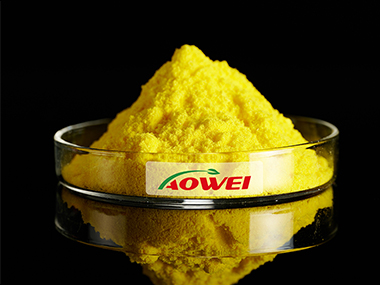
Apply 12–16 ml of 25% Mepiquat chloride aqueous solution (or 3–4 g of technical-grade Mepiquat chloride) per mu, diluted in 40–50 kg of water. Spray the entire plant evenly, focusing on the main stem and the tips of the fruiting branches. For cotton fields with vigorous growth, the dosage may be increased to 18 ml/mu; for fields with weaker growth, it should be reduced to 10 ml/acre.
2. Key Functions of Mepiquat Chloride
Application inhibits the growth of unproductive late-season branches, buds, and vegetative shoots, thereby reducing nutrient waste and promoting the translocation of photosynthates to the cotton bolls. This results in a single-boll weight increase of 0.2–0.9 g, a shortening of the boll development period by 1–2 days, accelerated and concentrated boll opening, and a significant increase in the proportion of "pre-frost cotton" (high-quality cotton harvested before the first frost).
3. Supplementary Precautions
Spray on sunny afternoons; if rainfall occurs within 4 hours of application, a re-spray is required. The treatment can be combined with a foliar spray of 0.2%–0.3% potassium dihydrogen phosphate to further enhance the effects of increasing boll weight and promoting early maturity.