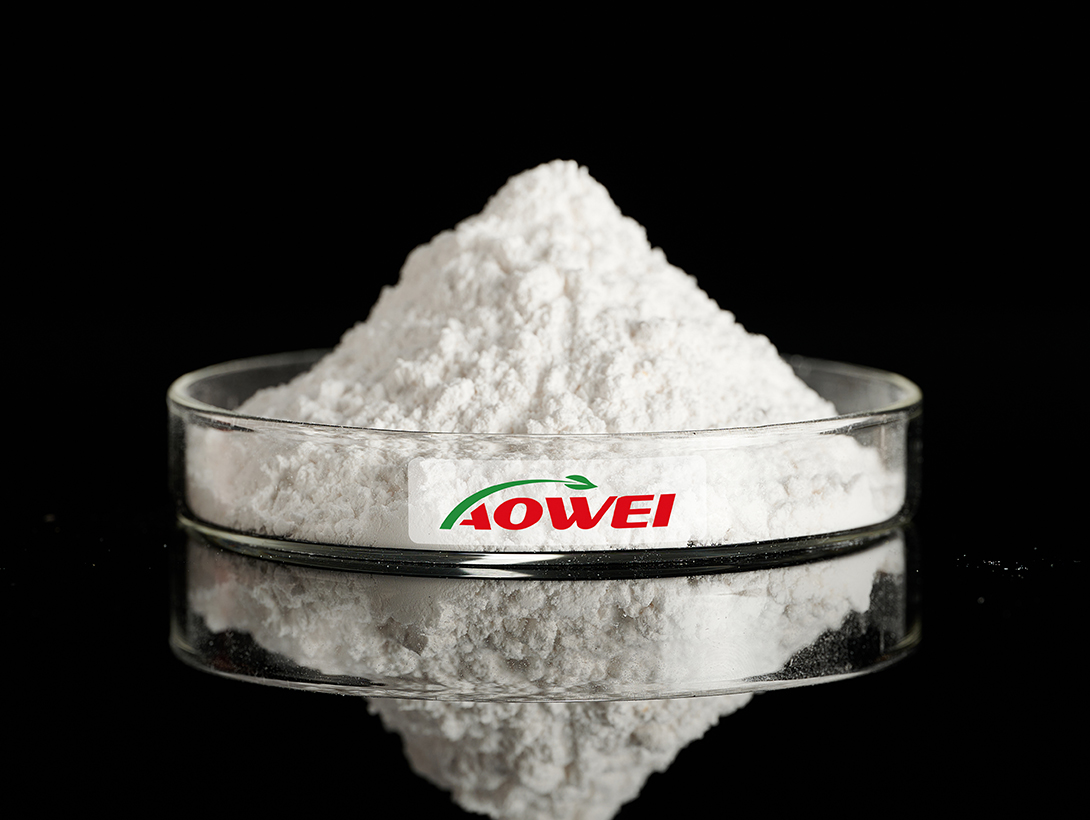
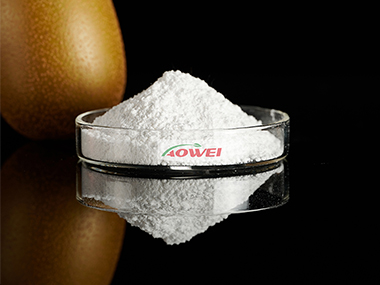
Mepiquat chloride is a growth-regulating agent known for its excellent safety profile. It is gentle, carries a low risk of phytotoxicity, and is suitable for use during the sensitive flowering stages of most crops.
I. Key Advantages of Using Mepiquat Chloride During Flowering
Suitable for Sensitive Growth Stages:Many standard growth regulators can cause issues—such as flower or fruit drop and excessive growth inhibition—when applied during the flowering stage, a time when crops are particularly sensitive to inputs. In contrast, Mepiquat chloride is mild; when used correctly during flowering, it does not adversely affect floral development or pollination, nor does it cause flower or fruit drop due to phytotoxicity.
High Safety Margin: It has a broad effective concentration range, meaning minor dosage errors do not lead to severe phytotoxicity. Even with slight over-absorption, the only likely symptom is temporary yellowing of leaf margins, which resolves on its own without damaging the leaves or hindering subsequent crop growth.
II. Key Precautions for Using Mepiquat Chloride During Flowering
Avoid Spraying During High Temperatures: Do not apply the product during the heat of midday. High temperatures can lead to excessive absorption by the crop, increasing the likelihood of leaf yellowing. Application is best performed on overcast days or after 5:00 PM on sunny days.
Strictly Adhere to Recommended Dosages:Do not arbitrarily increase the concentration. Application during flowering is not recommended for plots with weak crop growth, as this could cause unnecessary growth inhibition.
Avoid Incompatible Tank Mixes: Do not mix Mepiquat chloride with alkaline pesticides or potassium dihydrogen phosphate, as this may compromise efficacy or trigger adverse reactions.
Prioritize Plots with Excessive Growth:Mepiquat chloride should be applied only to crops showing signs of excessive vegetative growth (leggy growth) during the flowering stage. Crops with normal growth patterns do not require treatment at this stage, thereby avoiding excessive growth suppression.