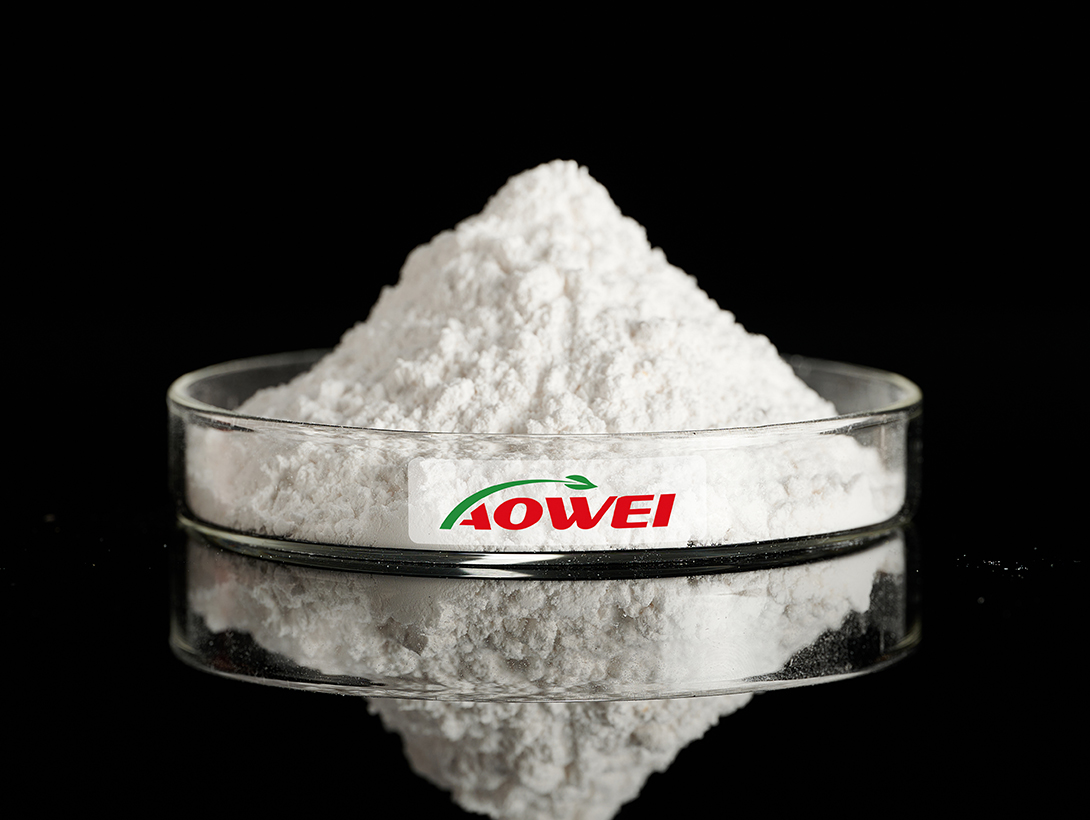
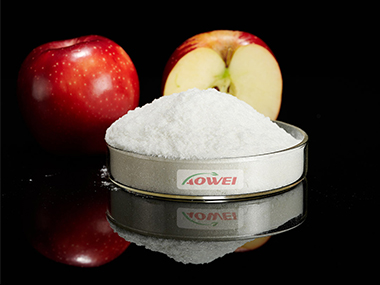
Mepiquat chloride is a highly effective plant growth regulator widely used in cotton cultivation. Its primary functions include controlling excessive vegetative growth, increasing yield, and optimizing plant architecture, making it well-suited for management from the squaring stage through the flowering and boll-setting stages.
Key Functions
Growth Control and Stunting:** Inhibits gibberellin synthesis within the cotton plant, slowing the elongation of internodes on the main stem and fruiting branches. This results in a compact, symmetrical plant structure, prevents canopy overcrowding caused by excessive stem and leaf growth, and enhances lodging resistance.
Promoting Squares and Preserving Bolls:** Regulates the transition from vegetative to reproductive growth, reduces the shedding of squares and bolls, and concentrates nutrients on boll development. It increases the proportion of inner-position bolls in the middle and lower sections of the plant, ensuring full, healthy boll development.
Quality and Yield Enhancement:** Promotes root development and boosts leaf photosynthetic efficiency. Ultimately, it increases the boll-setting rate by over 10% and significantly raises lint yield while improving fiber quality.
Application Guidelines for Cotton Fields
First Application:Apply when the plant has 3–5 true leaves; use 0.5–1 gram of 25% Mepiquat chloride aqueous solution per acre.
Second Application:Apply when the plant has 7–8 true leaves; the dosage may be increased to 1–1.5 grams per mu.
Pre-topping Adjustment:Adjust dosage based on daily growth rates. For fields showing vigorous growth (exceeding 2 cm per day), apply a light spray of 1 gram per mu. For fields with weak seedlings, use less than 1 gram to avoid excessive growth inhibition that could hinder flower bud differentiation.
Application Conditions: Spray on calm, sunny days—either before 10:00 AM or after 4:00 PM. Re-apply if rainfall occurs within 6 hours of spraying. Do not mix with alkaline pesticides or fertilizers.