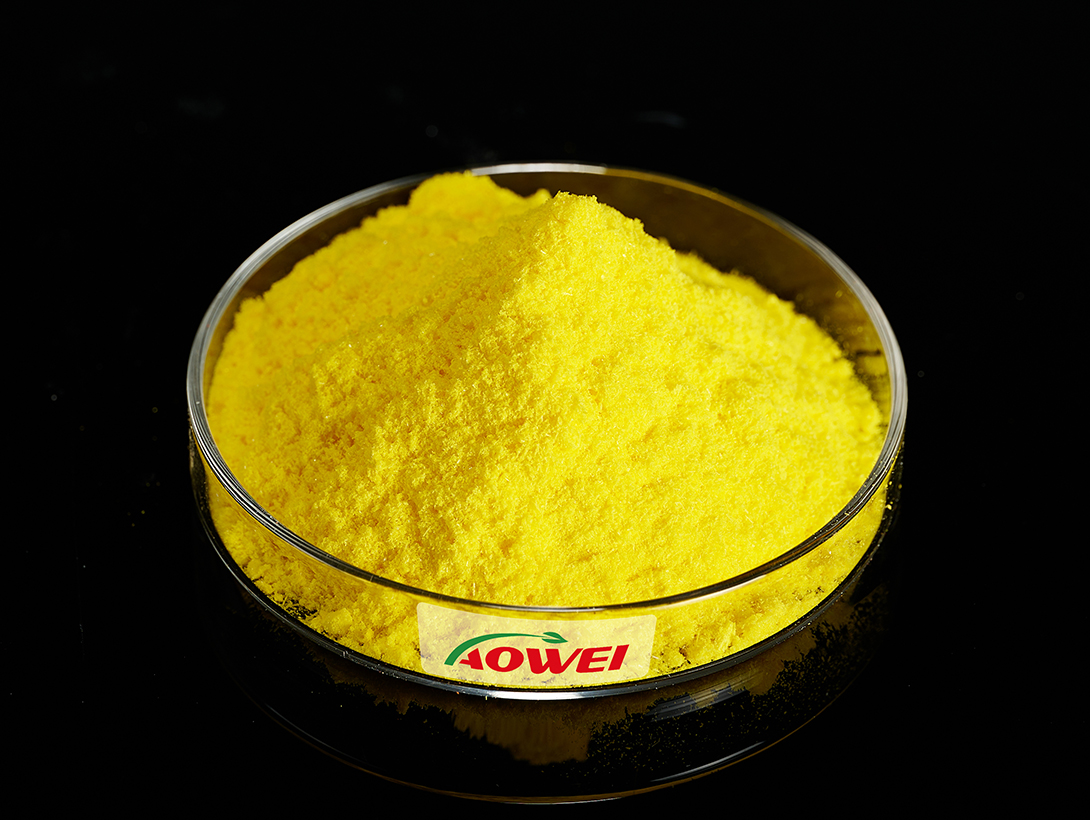
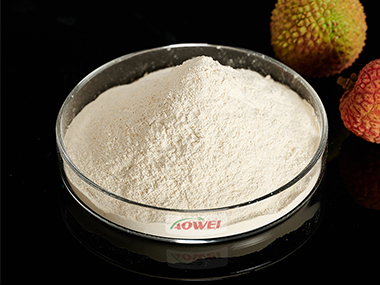
Sodium para-nitrophenolate can be used to enhance the ornamental value of flowers; however, it is important to note that it is typically utilized as a component within a compound sodium nitrophenolate formulation rather than being applied in isolation.
Mechanism of Action and Effects
Promotes cellular protoplasmic streaming and enhances cellular vitality in flowers, thereby accelerating root formation, bud sprouting, flowering, and fruit setting.
Increases photosynthetic efficiency and boosts chlorophyll content, resulting in foliage that is greener and thicker.
Helps retain flowers and fruits—reducing premature shedding—while extending the blooming period and improving both the quantity and quality of the blossoms.
Enhances stress resistance, helping flowers withstand environmental stressors such as low temperatures and drought.
Specific Applications in Floriculture
Foliar Spraying:Dilute a 1.8% Compound Sodium Nitrophenolate aqueous solution 4,000 to 6,000 times (equivalent to mixing 1 gram of the product with 20–30 kilograms of water). Apply via foliar spray 1–2 times during the period spanning from bud formation to the onset of flowering; this results in larger, more vibrant blooms and significantly enhances their ornamental appeal.
Root Soaking or Drenching: When transplanting flowers (such as Chinese roses or standard roses), drenching the root zone with a 6,000-fold dilution promotes the emergence of new roots, shortens the recovery period following transplanting, and increases the overall survival rate.