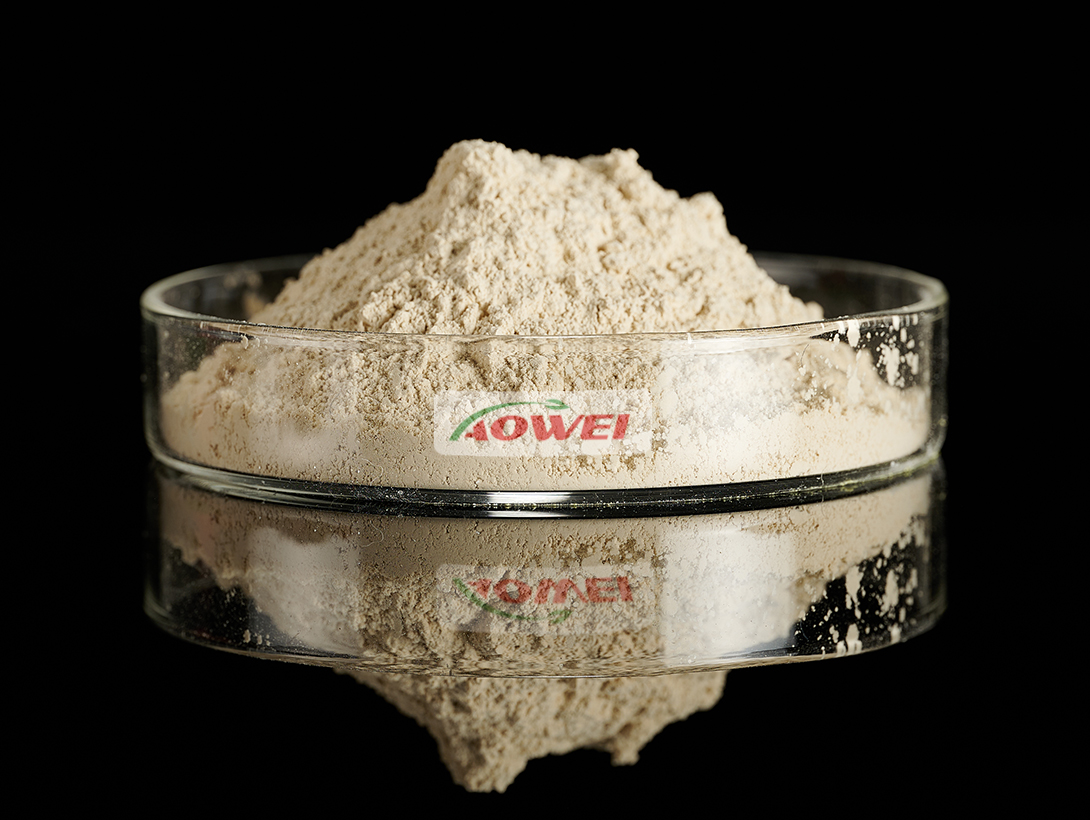
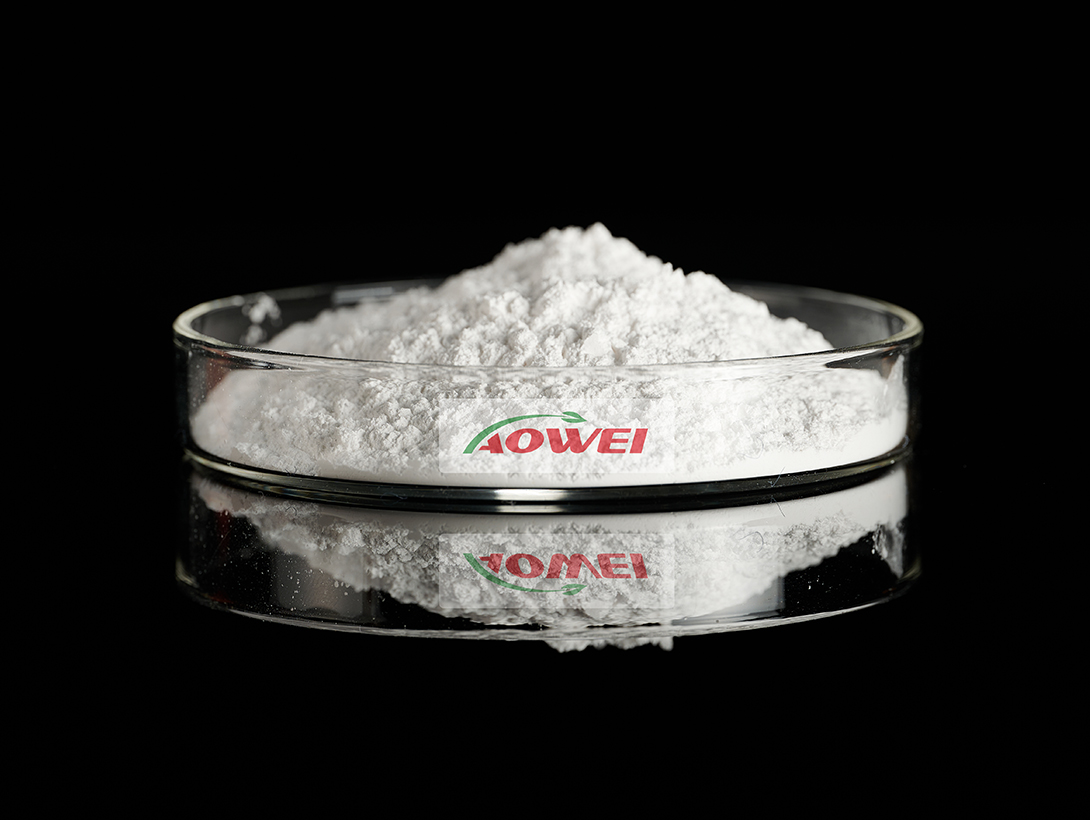
Prohexadione calcium is a plant growth regulator that effectively promotes the enlargement of tubers in crops such as potatoes and sweet potatoes, improving yield and quality.
Mechanism of Action: By inhibiting gibberellin synthesis, Prohexadione calcium breaks apical dominance, resulting in thicker stems and shorter internodes, thus reducing vegetative growth and directing photosynthetic products towards the tubers. Simultaneously, it increases chlorophyll content, enhances photosynthetic efficiency, and promotes the translocation of assimilates to the tubers, increasing dry matter accumulation.
Effects of Prohexadione calcium application:
Promotes tuber enlargement: After application, tuber enlargement is accelerated, resulting in more uniform size and significantly increased yield.
Improves quality: Increased dry matter content and improved storage life of tubers contribute to higher market value.
Enhances stress resistance: Prohexadione calcium also promotes root development, prevents premature senescence, and has a certain control effect on some diseases (such as potato late blight).
How to use Prohexadione calcium:
Formulation and dosage: Prohexadione calcium is commonly available as a 5% effervescent granule or wettable powder. For potatoes and sweet potatoes, it is recommended to use 20-40 grams of 5% Prohexadione calcium per mu (approximately 0.067 hectares), applied 1-2 times depending on growth conditions.
Key application period: Application should begin from the early stage of tuber formation to the beginning of the tuber enlargement stage, when the plant is just showing vigorous growth, for optimal results.
Precautions: Avoid use under strongly acidic conditions. It can be mixed with other fertilizers or regulators (such as DA-6) to enhance the effect, but attention should be paid to the concentration to prevent excessive growth inhibition.