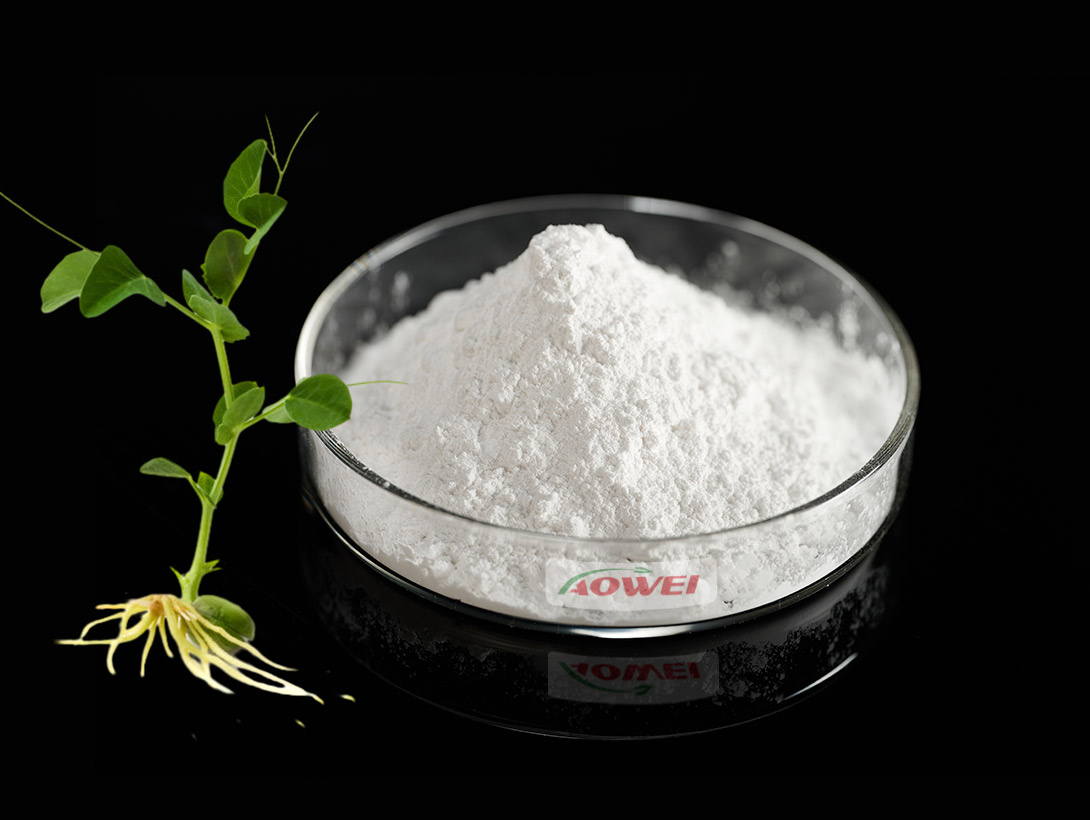
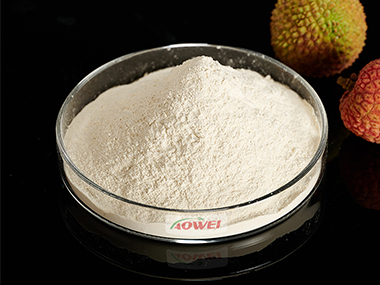
As a natural cytokinin, zeatin—when used in combination with an auxin—significantly promotes the formation of callus tissue in plant cuttings, thereby substantially increasing their survival rate.
Core Mechanism of Zeatin
Callus Regulation: Zeatin cannot induce rooting on its own. It must be combined with an auxin (such as indole-3-butyric acid or naphthaleneacetic acid) to adjust the ratio of endogenous hormones. This stimulates rapid cell division and differentiation at the cutting site, accelerating the formation of callus tissue.
Adaptation to Rooting Stages: Low concentrations of zeatin promote the differentiation of root primordia, while slightly higher concentrations support their subsequent growth and development—aligning perfectly with the requirements of different stages of the rooting process.
Improved Survival Rate: By accelerating callus formation, zeatin reduces the likelihood of infection or rot at the cutting site, boosting the survival rate of difficult-to-root plant cuttings from approximately 30% to around 90%.
Practical Application Guidelines
Concentration for Combinations: The recommended concentration for zeatin is 0.5–2.0 mg/L. It should be used alongside an auxin (at an equal or otherwise appropriate ratio), as this combination is far more effective than using either substance alone.
Application Method: Soak the base of the cuttings in the rooting solution for 1–2 hours, or alternatively, perform a quick dip in the diluted solution before planting.
Suitable Scenarios: This approach is particularly effective for the hardwood cuttings of plant species that are difficult to root; it significantly shortens the time required for callus formation and accelerates the subsequent emergence of adventitious roots.