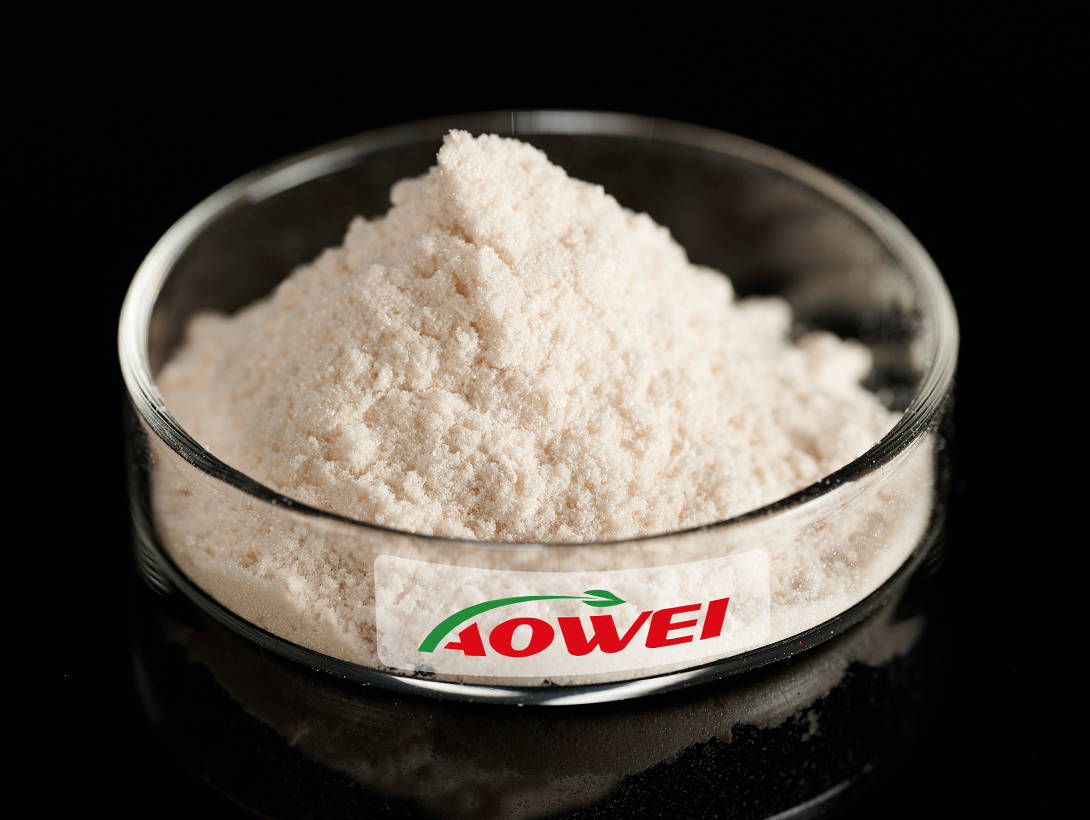
Prohexadione calcium plays a role in inhibiting stem growth, promoting pegging, and fruit development in peanuts during the growth regulation and pegging process. However, its effect is relatively mild and short-lived, requiring careful application techniques and combination strategies to achieve optimal results.
The following are the specific effects and usage recommendations of Prohexadione calcium in peanut growth regulation and pegging:
Inhibiting stem growth: Prohexadione calcium primarily inhibits peanut stem growth, with minimal impact on fruit and pegging, achieving the so-called "growth control without fruit shrinkage."
Promoting peanut pegging and fruit development: Applying Prohexadione calcium during the initial flowering stage of peanuts can effectively control excessive growth and promote pegging. Additionally, adding choline chloride (e.g., 10 ml of 60% choline chloride mixed with 30-40 catties of water for spraying) can further promote peanut pegging and fruit development, improving the quality and yield of peanuts in the later stages.
Application techniques: The effect of Prohexadione calcium is relatively mild, and conventional dosages may not be effective when peanuts are growing vigorously, and the cost is relatively high. Therefore, it is recommended to apply a low dose during the seedling stage (10-15 ml of 5% Prohexadione calcium per bucket of water) and spray during the initial flowering stage (20-25 ml of 5% Prohexadione calcium mixed with 30-40 catties of water). In years with abundant rainfall, a combination strategy is recommended, such as combining uniconazole with Prohexadione calcium, to enhance the growth control effect.