

Application of Plant Growth Regulators to Prevent Leggy Growth in Rice Seedlings
In double-cropping rice regions, tight cultivation schedules often lead to excessive height in late-season rice seedlings. This can cause seedling failure after transplanting, which not only hinders nutrient accumulation but also severely reduces the number of productive panicles and filled grains, ultimately leading to lower yields. Applying plant growth inhibitors during the seedling stage to prevent leggy growth can increase tillering, reduce seedling failure, and boost overall yield.
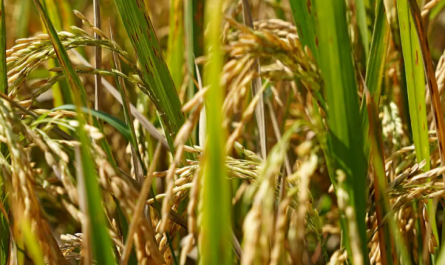
Paclobutrazol (Paclo)
Paclobutrazol slows the growth rate of late-season rice seedlings, controls stem and leaf elongation, prevents leggy growth, promotes root development, increases tillering, and enhances photosynthesis. It facilitates the cultivation of robust, high-tillering seedlings, offers greater flexibility regarding seedling age at transplanting, and helps prevent post-transplanting seedling failure.
It is primarily suitable for late-season rice seedbeds. Application should occur at the "one-leaf, one-heart" stage; the recommended dosage is 200g of 15% Paclobutrazol wettable powder per mu, diluted in 100kg of water (resulting in a concentration of 300mg/L) for spraying.
Precautions for use: After spraying seedlings with Paclobutrazol, they must be transplanted; seedlings should not be pulled and left in the field, and the seedbed must be plowed before transplanting to avoid interfering with normal heading. Dosage and concentration must be strictly controlled, and seeding density in treated seedbeds should not be excessive. Sowing for hybrid rice seedbeds can be advanced by 1–2 days. Spraying should be done when the seedbed is free of standing water (drain in advance if necessary) or when the soil is slightly dry; water can be reintroduced or a "running water" irrigation method used to keep the seedlings moist starting the next day. If heavy rain occurs within 3 hours of spraying, a re-application is required. Seedbeds treated with Paclobutrazol should not be used for the same purpose the following year; crop rotation is necessary.
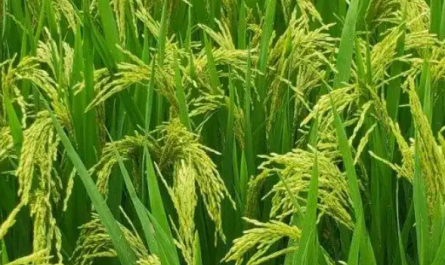
Ethephon:
During the growth period of late-season rice seedlings, high seeding rates and high temperatures often result in rapid growth, causing the plants to become generally slender and elongated. Timely spraying with an ethephon solution can reduce seedling height by approximately 10%. This effectively prevents transplanting shock, promotes early rooting and rapid recovery, encourages early and abundant tillering, and prevents late-stage lodging, resulting in significant yield increases. Apply a spray solution containing 250–500 mg/L of ethephon (prepared by diluting a 40% ethephon aqueous concentrate 800 to 1,600 times) at a rate of 50 kg per mu; applications should be made once at the four-leaf stage and once at the six-leaf stage.
Precautions for use: Strictly control the concentration and apply on sunny days when the temperature is between 20°C and 30°C. Ethephon is flammable and explosive in the presence of alkalis; therefore, it must not be mixed with alkaline pesticides.
Ethephon is corrosive to metal containers; sprayers must be thoroughly rinsed with clean water after use. The solution irritates the skin and mucous membranes, so safety precautions should be taken during handling.
Paclobutrazol (Paclo)
Paclobutrazol slows the growth rate of late-season rice seedlings, controls stem and leaf elongation, prevents leggy growth, promotes root development, increases tillering, and enhances photosynthesis. It facilitates the cultivation of robust, high-tillering seedlings, offers greater flexibility regarding seedling age at transplanting, and helps prevent post-transplanting seedling failure.
It is primarily suitable for late-season rice seedbeds. Application should occur at the "one-leaf, one-heart" stage; the recommended dosage is 200g of 15% Paclobutrazol wettable powder per mu, diluted in 100kg of water (resulting in a concentration of 300mg/L) for spraying.
Precautions for use: After spraying seedlings with Paclobutrazol, they must be transplanted; seedlings should not be pulled and left in the field, and the seedbed must be plowed before transplanting to avoid interfering with normal heading. Dosage and concentration must be strictly controlled, and seeding density in treated seedbeds should not be excessive. Sowing for hybrid rice seedbeds can be advanced by 1–2 days. Spraying should be done when the seedbed is free of standing water (drain in advance if necessary) or when the soil is slightly dry; water can be reintroduced or a "running water" irrigation method used to keep the seedlings moist starting the next day. If heavy rain occurs within 3 hours of spraying, a re-application is required. Seedbeds treated with Paclobutrazol should not be used for the same purpose the following year; crop rotation is necessary.
Ethephon:
During the growth period of late-season rice seedlings, high seeding rates and high temperatures often result in rapid growth, causing the plants to become generally slender and elongated. Timely spraying with an ethephon solution can reduce seedling height by approximately 10%. This effectively prevents transplanting shock, promotes early rooting and rapid recovery, encourages early and abundant tillering, and prevents late-stage lodging, resulting in significant yield increases. Apply a spray solution containing 250–500 mg/L of ethephon (prepared by diluting a 40% ethephon aqueous concentrate 800 to 1,600 times) at a rate of 50 kg per mu; applications should be made once at the four-leaf stage and once at the six-leaf stage.
Precautions for use: Strictly control the concentration and apply on sunny days when the temperature is between 20°C and 30°C. Ethephon is flammable and explosive in the presence of alkalis; therefore, it must not be mixed with alkaline pesticides.
Ethephon is corrosive to metal containers; sprayers must be thoroughly rinsed with clean water after use. The solution irritates the skin and mucous membranes, so safety precautions should be taken during handling.
RECENT POSTS
-
Use Plant hormone to control excessive vegetative growth preserve flowers and fruit and promote ripening and yield increases
-
Selecting Suitable Plant Growth Regulators for Autumn Crops to Manage Growth and Enhance Stress Resistance
-
Application of Plant Growth Regulators to Prevent Leggy Growth in Rice Seedlings
-
Application Rates of Diethyl Aminoethyl Hexanoate (DA-6) for Food Crops (Rice Wheat Soybean)
Featured News