

Crop Lodging Prevention:How Plant Growth Regulators Help Strengthen Stems and Protect Crop Yields
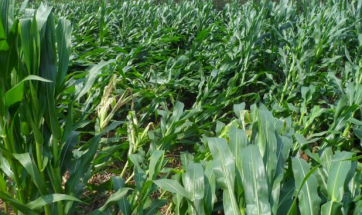
Crop lodging is a common challenge in cereal production, particularly in wheat and barley. When crop stems bend or fall over before harvest, plants may experience reduced photosynthetic efficiency, uneven grain development, lower grain quality, and difficulties during mechanical harvesting. Under severe conditions, lodging can also result in significant yield losses.
For growers managing high-yielding crops, preventing lodging is an important part of crop management. In addition to selecting lodging-resistant varieties and applying balanced fertilizers, plant growth regulators (PGRs) can help control excessive stem elongation, improve plant architecture, and strengthen stems.
This article explains how plant growth regulators support crop lodging prevention, which active ingredients are commonly used, and how growers can select and apply suitable products.
Several factors can increase lodging risk:
Excessive nitrogen application: High nitrogen availability may encourage rapid vegetative growth and produce taller, weaker stems.
Tall or lodging-susceptible varieties: Some crop varieties naturally have longer stems or weaker basal internodes.
Dense planting: Excessive plant populations can increase competition for light and contribute to weak stem development.
Weather conditions: Strong winds and heavy rainfall can place considerable mechanical stress on crop stems.
Weak root systems: Poor root anchorage may make plants more vulnerable to root lodging.
Effective lodging management therefore requires a combination of appropriate crop varieties, balanced nutrition, suitable planting density, and timely plant growth regulator applications.
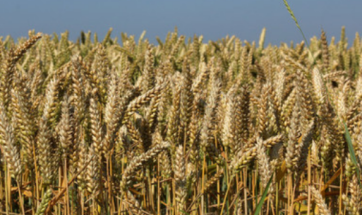 Plant growth regulators help manage crop architecture by modifying plant hormone activity, particularly gibberellin-related growth processes.
Many growth-retarding PGRs reduce excessive internode elongation. This can help produce shorter plants with a more compact structure. Depending on the active ingredient, crop, and application timing, some treatments may also improve stem diameter, stem wall development, or mechanical strength.
The main benefits include:
Controlling plant height: Reducing excessive stem elongation helps lower the center of gravity and mechanical stress on the plant.
Strengthening stems: Certain PGR treatments can increase stem thickness or improve the structural properties of lower internodes.
Managing excessive vegetative growth: PGRs can help balance vegetative development in intensively managed crops.
Reducing lodging risk: Better plant architecture can help crops remain upright under suitable growing and weather conditions.
Supporting harvest efficiency: Upright crops are generally easier to harvest and may experience fewer lodging-related quality problems.
PGRs are a preventive crop management tool. They cannot reliably restore crops that have already lodged, and their performance depends on crop variety, growth stage, weather, and application conditions.
3.1 Chlormequat Chloride (CCC)
Chlormequat chloride is a growth regulator that inhibits early steps in gibberellin biosynthesis. It helps control excessive stem elongation and can contribute to thicker, stronger stems when used appropriately.
Main functions:
Controls excessive vegetative growth.
Reduces stem elongation and overall plant height.
Supports the development of stronger basal stems.
Helps manage lodging risk in susceptible cereal crops.
Typical application period:
Chlormequat chloride is generally associated with early crop growth and stem elongation management. Depending on the crop and registered product label, application may be considered around tillering to early stem elongation.
Suitable product forms:
Commercial products may be available as soluble concentrates or other locally registered formulations. Product concentration and formulation should be checked before selecting a product.
3.2 Trinexapac-Ethyl
Trinexapac-ethyl is widely used in cereal growth management. It inhibits a later step in gibberellin biosynthesis, helping reduce internode elongation and manage crop height.
Main functions:
Reduces excessive stem elongation.
Helps shorten upper and lower internodes, depending on timing.
Can improve stem thickness and structural strength.
Helps reduce lodging risk in intensively managed wheat and other labeled cereal crops.
Typical application period:
Application is commonly associated with the stem elongation period. In some wheat production systems, the timing is around first-node development, while the exact window varies by product label and crop.
For example, Penn State Extension identifies the jointing stage as the beginning of the application window for certain trinexapac-ethyl products used in winter small grains.
Suitable product forms:
Trinexapac-ethyl is commonly marketed as an emulsifiable concentrate (EC) or other registered liquid formulation. Always confirm the active ingredient concentration and labeled crop uses.
3.3 Ethephon
Ethephon is a plant growth regulator that releases ethylene within plant tissues. In cereal crops, it can influence stem elongation and crop development.
Main functions:
Helps regulate stem elongation.
Can reduce crop height when applied at the appropriate growth stage.
May complement earlier growth-regulator treatments in certain cereal management programs.
Helps manage lodging risk under suitable crop and environmental conditions.
Typical application period:
Ethephon is generally used later than early-stage growth retardants in cereal production. Application timing may be around flag-leaf development to booting, depending on the crop and registered product label.
Late or inappropriate application can cause crop injury or affect crop development. It should not be treated as interchangeable with early-season PGRs.
Suitable product forms:
Ethephon is available in different liquid formulations. The appropriate product and application window must be selected according to the crop-specific label.
3.4 Paclobutrazol
Paclobutrazol is a triazole growth regulator that inhibits gibberellin biosynthesis. Research has investigated its role in controlling excessive plant height and improving stem characteristics in crops such as rice and wheat.
Main functions:
Restricts excessive vegetative growth.
Helps reduce plant height.
May improve stem structural characteristics under suitable conditions.
Has been studied for lodging management in susceptible crops.
Typical application period:
Research commonly examines application during early stem elongation or the jointing stage. However, suitable timing and permitted uses differ substantially by crop and country.
Paclobutrazol should only be used for lodging management where the specific product is registered and its label explicitly permits the intended crop and application method.
4. Comparison of Common PGR Active Ingredients
The active ingredients above are not interchangeable. Their effects, application windows, and crop registrations are different. Growers should select a product based on the target crop, local registration, crop growth stage, and field conditions.
Step 1: Assess Lodging Risk
Before application, evaluate:
Crop variety and natural plant height.
Nitrogen fertilizer rates and crop vigor.
Plant density and canopy development.
Soil moisture and root development.
Weather forecasts, especially wind and rainfall.
Fields with excessive vegetative growth, high nitrogen availability, or lodging-susceptible varieties may require closer monitoring.
 Step 2: Identify the Crop Growth Stage
Do not rely only on the number of days after planting. Check the actual crop growth stage.
For cereal crops, common growth-stage references include the Zadoks and Feekes scales. The first visible node and the beginning of stem elongation are important reference points for many cereal PGR programs.
Different active ingredients have different application windows. Chlormequat chloride and trinexapac-ethyl are commonly associated with earlier stem growth management, while ethephon is generally used later under specific label directions.
Step 3: Select the Correct Product and Rate
Choose a registered product for the intended crop and target use.
Before preparing the spray solution, confirm:
Active ingredient and concentration.
Labeled crop and application timing.
Application rate per hectare or acre.
Water volume and spray equipment requirements.
Maximum number of applications.
Pre-harvest interval and other use restrictions.
There is no single application rate that is suitable for every formulation or crop. Follow the product label rather than transferring a rate from another brand or country.
Step 4: Apply Under Suitable Field Conditions
For foliar applications:
Ensure even spray coverage across the target crop canopy.
Use the water volume and nozzle settings specified on the product label.
Avoid application when crops are under drought, disease, heat, or other significant stress if the label advises against it.
Avoid unsuitable weather conditions that may affect spray coverage or increase drift.
Use the required personal protective equipment.
Tank mixing with fertilizers or other crop protection products should only be carried out when permitted by the relevant labels and supported by compatibility information.
Step 5: Monitor Crop Development
After application, monitor plant height, stem development, crop color, and overall growth.
PGR performance can vary with crop variety, temperature, soil fertility, rainfall, and application timing. Record field observations to improve future crop management decisions.
Choosing a Reliable Plant Growth Regulator Supplier
For agricultural distributors, importers, and crop input companies, product quality and supply consistency are important considerations when sourcing plant growth regulators.
When evaluating a supplier, consider:
Product specifications: Confirm active ingredient content, formulation type, and relevant quality documentation.
Batch consistency: Request a Certificate of Analysis (COA) for the relevant batch.
Formulation options: Check whether the supplier offers suitable formulations for the target market.
Regulatory documentation: Verify that the product and its intended uses comply with local registration requirements.
Technical support: A reliable supplier should provide product information, handling guidance, and documentation for professional evaluation.
Looking for plant growth regulator products for cereal crop management?
Contact a qualified supplier to discuss active ingredients, formulation options, product specifications, and local registration requirements.
admin@agriplantgrowth.com
whatsapp:+86 153 2484 0068
For growers managing high-yielding crops, preventing lodging is an important part of crop management. In addition to selecting lodging-resistant varieties and applying balanced fertilizers, plant growth regulators (PGRs) can help control excessive stem elongation, improve plant architecture, and strengthen stems.
This article explains how plant growth regulators support crop lodging prevention, which active ingredients are commonly used, and how growers can select and apply suitable products.
1. What Causes Crop Lodging?
Crop lodging occurs when plant stems bend or break, or when the root system can no longer support the plant upright. It is particularly common in cereal crops such as wheat, barley, rice, and oats.Several factors can increase lodging risk:
Excessive nitrogen application: High nitrogen availability may encourage rapid vegetative growth and produce taller, weaker stems.
Tall or lodging-susceptible varieties: Some crop varieties naturally have longer stems or weaker basal internodes.
Dense planting: Excessive plant populations can increase competition for light and contribute to weak stem development.
Weather conditions: Strong winds and heavy rainfall can place considerable mechanical stress on crop stems.
Weak root systems: Poor root anchorage may make plants more vulnerable to root lodging.
Effective lodging management therefore requires a combination of appropriate crop varieties, balanced nutrition, suitable planting density, and timely plant growth regulator applications.
2. How Do Plant Growth Regulators Help Prevent Crop Lodging?
Plant growth regulators help manage crop architecture by modifying plant hormone activity, particularly gibberellin-related growth processes.The main benefits include:
Controlling plant height: Reducing excessive stem elongation helps lower the center of gravity and mechanical stress on the plant.
Strengthening stems: Certain PGR treatments can increase stem thickness or improve the structural properties of lower internodes.
Managing excessive vegetative growth: PGRs can help balance vegetative development in intensively managed crops.
Reducing lodging risk: Better plant architecture can help crops remain upright under suitable growing and weather conditions.
Supporting harvest efficiency: Upright crops are generally easier to harvest and may experience fewer lodging-related quality problems.
PGRs are a preventive crop management tool. They cannot reliably restore crops that have already lodged, and their performance depends on crop variety, growth stage, weather, and application conditions.
3. Common Plant Growth Regulators for Crop Lodging Prevention
Different active ingredients work through different physiological pathways. The following are important PGR options discussed in cereal lodging management.3.1 Chlormequat Chloride (CCC)
Chlormequat chloride is a growth regulator that inhibits early steps in gibberellin biosynthesis. It helps control excessive stem elongation and can contribute to thicker, stronger stems when used appropriately.
Main functions:
Controls excessive vegetative growth.
Reduces stem elongation and overall plant height.
Supports the development of stronger basal stems.
Helps manage lodging risk in susceptible cereal crops.
Typical application period:
Chlormequat chloride is generally associated with early crop growth and stem elongation management. Depending on the crop and registered product label, application may be considered around tillering to early stem elongation.
Suitable product forms:
Commercial products may be available as soluble concentrates or other locally registered formulations. Product concentration and formulation should be checked before selecting a product.
3.2 Trinexapac-Ethyl
Trinexapac-ethyl is widely used in cereal growth management. It inhibits a later step in gibberellin biosynthesis, helping reduce internode elongation and manage crop height.
Main functions:
Reduces excessive stem elongation.
Helps shorten upper and lower internodes, depending on timing.
Can improve stem thickness and structural strength.
Helps reduce lodging risk in intensively managed wheat and other labeled cereal crops.
Typical application period:
Application is commonly associated with the stem elongation period. In some wheat production systems, the timing is around first-node development, while the exact window varies by product label and crop.
For example, Penn State Extension identifies the jointing stage as the beginning of the application window for certain trinexapac-ethyl products used in winter small grains.
Suitable product forms:
Trinexapac-ethyl is commonly marketed as an emulsifiable concentrate (EC) or other registered liquid formulation. Always confirm the active ingredient concentration and labeled crop uses.
3.3 Ethephon
Ethephon is a plant growth regulator that releases ethylene within plant tissues. In cereal crops, it can influence stem elongation and crop development.
Main functions:
Helps regulate stem elongation.
Can reduce crop height when applied at the appropriate growth stage.
May complement earlier growth-regulator treatments in certain cereal management programs.
Helps manage lodging risk under suitable crop and environmental conditions.
Typical application period:
Ethephon is generally used later than early-stage growth retardants in cereal production. Application timing may be around flag-leaf development to booting, depending on the crop and registered product label.
Late or inappropriate application can cause crop injury or affect crop development. It should not be treated as interchangeable with early-season PGRs.
Suitable product forms:
Ethephon is available in different liquid formulations. The appropriate product and application window must be selected according to the crop-specific label.
3.4 Paclobutrazol
Paclobutrazol is a triazole growth regulator that inhibits gibberellin biosynthesis. Research has investigated its role in controlling excessive plant height and improving stem characteristics in crops such as rice and wheat.
Main functions:
Restricts excessive vegetative growth.
Helps reduce plant height.
May improve stem structural characteristics under suitable conditions.
Has been studied for lodging management in susceptible crops.
Typical application period:
Research commonly examines application during early stem elongation or the jointing stage. However, suitable timing and permitted uses differ substantially by crop and country.
Paclobutrazol should only be used for lodging management where the specific product is registered and its label explicitly permits the intended crop and application method.
4. Comparison of Common PGR Active Ingredients
| Active ingredient | Main function | Typical management focus |
| Chlormequat chloride | Inhibits early gibberellin biosynthesis | Early stem elongation and height control |
| Trinexapac-ethyl | Inhibits later gibberellin biosynthesis | Stem elongation and lodging management |
| Ethephon | Releases ethylene in plant tissues | Later-stage stem growth management |
| Paclobutrazol | Inhibits gibberellin biosynthesis | Height control; crop-specific research and registered uses |
The active ingredients above are not interchangeable. Their effects, application windows, and crop registrations are different. Growers should select a product based on the target crop, local registration, crop growth stage, and field conditions.
5. How to Apply Plant Growth Regulators for Lodging Prevention
Correct application timing is one of the most important factors affecting PGR performance. Applying a suitable product at the wrong growth stage may reduce its effectiveness or increase the risk of crop injury.Step 1: Assess Lodging Risk
Before application, evaluate:
Crop variety and natural plant height.
Nitrogen fertilizer rates and crop vigor.
Plant density and canopy development.
Soil moisture and root development.
Weather forecasts, especially wind and rainfall.
Fields with excessive vegetative growth, high nitrogen availability, or lodging-susceptible varieties may require closer monitoring.
Step 2: Identify the Crop Growth StageDo not rely only on the number of days after planting. Check the actual crop growth stage.
For cereal crops, common growth-stage references include the Zadoks and Feekes scales. The first visible node and the beginning of stem elongation are important reference points for many cereal PGR programs.
Different active ingredients have different application windows. Chlormequat chloride and trinexapac-ethyl are commonly associated with earlier stem growth management, while ethephon is generally used later under specific label directions.
Step 3: Select the Correct Product and Rate
Choose a registered product for the intended crop and target use.
Before preparing the spray solution, confirm:
Active ingredient and concentration.
Labeled crop and application timing.
Application rate per hectare or acre.
Water volume and spray equipment requirements.
Maximum number of applications.
Pre-harvest interval and other use restrictions.
There is no single application rate that is suitable for every formulation or crop. Follow the product label rather than transferring a rate from another brand or country.
Step 4: Apply Under Suitable Field Conditions
For foliar applications:
Ensure even spray coverage across the target crop canopy.
Use the water volume and nozzle settings specified on the product label.
Avoid application when crops are under drought, disease, heat, or other significant stress if the label advises against it.
Avoid unsuitable weather conditions that may affect spray coverage or increase drift.
Use the required personal protective equipment.
Tank mixing with fertilizers or other crop protection products should only be carried out when permitted by the relevant labels and supported by compatibility information.
Step 5: Monitor Crop Development
After application, monitor plant height, stem development, crop color, and overall growth.
PGR performance can vary with crop variety, temperature, soil fertility, rainfall, and application timing. Record field observations to improve future crop management decisions.
Choosing a Reliable Plant Growth Regulator Supplier
For agricultural distributors, importers, and crop input companies, product quality and supply consistency are important considerations when sourcing plant growth regulators.
When evaluating a supplier, consider:
Product specifications: Confirm active ingredient content, formulation type, and relevant quality documentation.
Batch consistency: Request a Certificate of Analysis (COA) for the relevant batch.
Formulation options: Check whether the supplier offers suitable formulations for the target market.
Regulatory documentation: Verify that the product and its intended uses comply with local registration requirements.
Technical support: A reliable supplier should provide product information, handling guidance, and documentation for professional evaluation.
Looking for plant growth regulator products for cereal crop management?
Contact a qualified supplier to discuss active ingredients, formulation options, product specifications, and local registration requirements.
admin@agriplantgrowth.com
whatsapp:+86 153 2484 0068
RECENT POSTS
-
Crop Lodging Prevention:How Plant Growth Regulators Help Strengthen Stems and Protect Crop Yields
-
Prohexadione Calcium and Brassinolide in Maize: Synergistic Benefits
-
Use Plant hormone to control excessive vegetative growth preserve flowers and fruit and promote ripening and yield increases
-
Selecting Suitable Plant Growth Regulators for Autumn Crops to Manage Growth and Enhance Stress Resistance
Featured News