

Prohexadione Calcium and Brassinolide in Maize: Synergistic Benefits
China’s National Agricultural Technology Extension and Service Center has recommended prohexadione calcium and brassinolide as plant growth regulators for the “One Spray for Multiple Benefits” program. Their functions go beyond general growth promotion, with each playing a distinct role: prohexadione calcium helps control excessive vegetative growth, strengthen stalks, and reduce lodging risk, while brassinolide helps improve stress tolerance, protect grain development, and support grain filling. Together, they contribute to the ultimate goals of promoting grain filling and increasing maize yield.
1. Prohexadione Calcium: Controlling Excessive Growth and Reducing Lodging Risk to Direct More Resources Toward the Ears
During the maize ear development stage, continued excessive stem and leaf growth can consume substantial nutrients and increase the risk of lodging, posing a direct threat to yield. The primary function of prohexadione calcium is to regulate this excessive vegetative growth.
Its mode of action involves inhibiting gibberellin biosynthesis, thereby slowing cell elongation. In practical terms, this can shorten internodes and control plant height while promoting thicker stalks with greater strength and flexibility. These changes help reduce the risk of lodging.
More importantly, when properly applied, prohexadione calcium primarily regulates vegetative growth rather than directly inhibiting ear and kernel development. By limiting excessive stem and leaf elongation, it can help optimize the allocation of assimilates toward the ears, supporting kernel development and potentially increasing thousand-kernel weight.
In the context of the “One Spray for Multiple Benefits” program, its role can be summarized as promoting reproductive growth by regulating excessive vegetative growth. By controlling unnecessary stem and leaf elongation, more resources can be directed toward kernel development and grain filling.
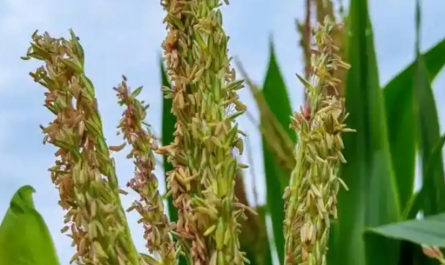
2. Brassinolide: Improving Stress Tolerance and Maintaining Physiological Activity During Grain Filling
During the middle and later stages of autumn grain crop development, maize plants may face environmental stresses such as drought and low temperatures. If leaves senesce prematurely or photosynthetic capacity declines, grain filling may be disrupted. The value of brassinolide lies in its ability to help maintain essential physiological functions under stress conditions.
Maize under drought stress provides a clear example of its potential effects. Foliar application of brassinolide can improve plant water transport and leaf water status while reducing abscisic acid (ABA) levels in leaves, a hormone associated with stomatal closure. Together, these effects may increase stomatal conductance and net photosynthetic rates, ultimately supporting kernel development and potentially increasing the number of kernels per ear.
Brassinolide may also delay leaf senescence and extend the functional period of photosynthetically active leaves. This helps maintain the supply of photosynthetic assimilates during grain filling, supporting the accumulation of kernel weight.
If prohexadione calcium helps optimize resource allocation by controlling excessive growth, brassinolide helps keep the plant’s photosynthetic machinery functioning under adverse environmental conditions.
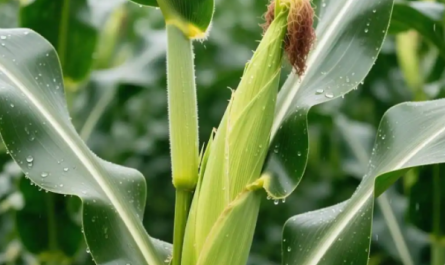
3. The Synergistic Approach: One Regulates Growth, the Other Protects Plant Function
The combination of these two regulators addresses two critical factors affecting yield during the later stages of autumn grain crop development.
Prohexadione calcium helps improve plant architecture and resource allocation, creating more favorable conditions for kernel development while reducing the significant risk of lodging. Brassinolide, meanwhile, helps maintain leaf function and photosynthetic activity during grain filling, reducing the risk of premature senescence and supporting kernel weight accumulation.
Together, their complementary functions align with the key objectives emphasized in the relevant agricultural guidance: improving crop stress tolerance, preventing premature senescence, and increasing kernel weight.
However, application conditions should be carefully considered. Prohexadione calcium should be used cautiously in fields where plants are already growing weakly or soil fertility is poor, as excessive growth regulation may further restrict plant development. Similarly, the yield benefits of brassinolide may be less pronounced under conditions of adequate irrigation and without significant environmental stress.
The value of combining these two regulators lies in addressing the actual challenges faced by maize during the later stages of growth: excessive vegetative growth, lodging risk, and environmental stress. Their effectiveness depends on crop conditions, application timing, dosage, and field management practices.
1. Prohexadione Calcium: Controlling Excessive Growth and Reducing Lodging Risk to Direct More Resources Toward the Ears
During the maize ear development stage, continued excessive stem and leaf growth can consume substantial nutrients and increase the risk of lodging, posing a direct threat to yield. The primary function of prohexadione calcium is to regulate this excessive vegetative growth.
Its mode of action involves inhibiting gibberellin biosynthesis, thereby slowing cell elongation. In practical terms, this can shorten internodes and control plant height while promoting thicker stalks with greater strength and flexibility. These changes help reduce the risk of lodging.
More importantly, when properly applied, prohexadione calcium primarily regulates vegetative growth rather than directly inhibiting ear and kernel development. By limiting excessive stem and leaf elongation, it can help optimize the allocation of assimilates toward the ears, supporting kernel development and potentially increasing thousand-kernel weight.
In the context of the “One Spray for Multiple Benefits” program, its role can be summarized as promoting reproductive growth by regulating excessive vegetative growth. By controlling unnecessary stem and leaf elongation, more resources can be directed toward kernel development and grain filling.
2. Brassinolide: Improving Stress Tolerance and Maintaining Physiological Activity During Grain Filling
During the middle and later stages of autumn grain crop development, maize plants may face environmental stresses such as drought and low temperatures. If leaves senesce prematurely or photosynthetic capacity declines, grain filling may be disrupted. The value of brassinolide lies in its ability to help maintain essential physiological functions under stress conditions.
Maize under drought stress provides a clear example of its potential effects. Foliar application of brassinolide can improve plant water transport and leaf water status while reducing abscisic acid (ABA) levels in leaves, a hormone associated with stomatal closure. Together, these effects may increase stomatal conductance and net photosynthetic rates, ultimately supporting kernel development and potentially increasing the number of kernels per ear.
Brassinolide may also delay leaf senescence and extend the functional period of photosynthetically active leaves. This helps maintain the supply of photosynthetic assimilates during grain filling, supporting the accumulation of kernel weight.
If prohexadione calcium helps optimize resource allocation by controlling excessive growth, brassinolide helps keep the plant’s photosynthetic machinery functioning under adverse environmental conditions.
3. The Synergistic Approach: One Regulates Growth, the Other Protects Plant Function
The combination of these two regulators addresses two critical factors affecting yield during the later stages of autumn grain crop development.
Prohexadione calcium helps improve plant architecture and resource allocation, creating more favorable conditions for kernel development while reducing the significant risk of lodging. Brassinolide, meanwhile, helps maintain leaf function and photosynthetic activity during grain filling, reducing the risk of premature senescence and supporting kernel weight accumulation.
Together, their complementary functions align with the key objectives emphasized in the relevant agricultural guidance: improving crop stress tolerance, preventing premature senescence, and increasing kernel weight.
However, application conditions should be carefully considered. Prohexadione calcium should be used cautiously in fields where plants are already growing weakly or soil fertility is poor, as excessive growth regulation may further restrict plant development. Similarly, the yield benefits of brassinolide may be less pronounced under conditions of adequate irrigation and without significant environmental stress.
The value of combining these two regulators lies in addressing the actual challenges faced by maize during the later stages of growth: excessive vegetative growth, lodging risk, and environmental stress. Their effectiveness depends on crop conditions, application timing, dosage, and field management practices.
RECENT POSTS
-
Prohexadione Calcium and Brassinolide in Maize: Synergistic Benefits
-
Use Plant hormone to control excessive vegetative growth preserve flowers and fruit and promote ripening and yield increases
-
Selecting Suitable Plant Growth Regulators for Autumn Crops to Manage Growth and Enhance Stress Resistance
-
Application of Plant Growth Regulators to Prevent Leggy Growth in Rice Seedlings
Featured News