

Gibberellic Acid GA3:The Yield-Boosting Marvel Scientific Regulation Doubles Crop Output
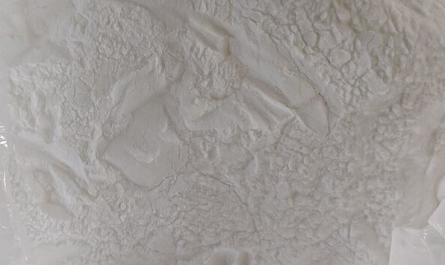
Gibberellic Acid is not merely a simple fertilizer or hormone; rather, it is a naturally occurring signaling molecule found within plants. It precisely regulates the plant's entire life cycle, from germination through to fruit-bearing. Laboratory data indicates that high-purity crystalline powder formulations—exceeding 85% purity—demonstrate solubility and activity retention far superior to standard preparations; this means that every gram of active ingredient is capable of activating a greater number of plant cells.
a Technological Revolution in Seedlessness
Seedless fruits command a market premium of up to 30%; however, traditional manual seed removal methods are both damaging to fruit trees and labor-intensive. The molecular structure of Gibberellic Acid ingeniously interferes with the mechanisms of seed formation. In the Navel orange-producing region of Ganzhou, Jiangxi Province—following a three-year field trial—the seedlessness rate in treated groups consistently exceeded 91%, while the thickness of the fruit pulp actually increased by 15%.
a unique feature of this crystalline powder formulation is its slow-release characteristic. Much like microencapsulation technology used for precise drug delivery, it releases its active ingredients in stages within the plant body. This approach not only mitigates the risk of phytotoxicity caused by excessively high concentrations but also extends the duration of the product's effective action. Monitoring reports from a modern agricultural facility revealed that, 20 days after a single application, the concentration of Gibberellic Acid at the grape pedicels remained above the threshold required to stimulate growth.
Particularly under adverse climatic conditions, this plant regulator demonstrates significant value in enhancing stress tolerance. Last year, during a prolonged period of overcast and rainy weather in the Yangtze River Basin, the fruit-setting rate of treated grapevines was 42% higher than that of untreated vines. This outcome enabled fruit growers in Wuhu, Anhui Province, to achieve increased revenue even during a year marked by overall production declines. As crop physiologists explain: "It activates the plant's reserve energy pathways—much like switching a mobile phone into 'power-saving mode'."
Guardian of Safety Margins
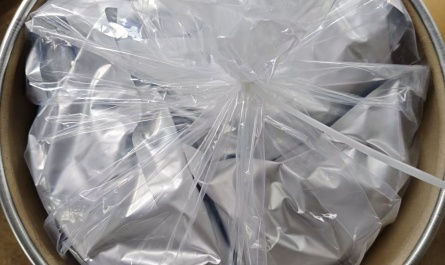
Thanks to eco-friendly manufacturing processes, the heavy metal residue levels in this product stand at merely one-tenth of the national regulatory limits. In random inspections conducted by the Zhejiang Provincial Agricultural Product Quality Testing Center, all fruits treated with the product successfully passed a comprehensive battery of 292 pesticide residue tests. A QR code printed on the packaging allows for the full life-cycle traceability of every product batch—a feature that gave Mr. Wang, a supermarket purchasing director, the confidence to list these fruits as a premium offering within his high-end product line. Crop-Specific Efficacy Enhancement Solutions—Tailored Programs for Different Crops:
Grapes: Spray clusters with a 5 ppm solution during the full bloom stage; repeat the application after a 10-day interval to elongate the fruit clusters and promote uniform coloration.
Citrus: Spray with a 15 ppm solution during the young fruit stage; for optimal results, combine this treatment with girdling
Leafy Vegetables: Spray with a 3 ppm solution 7 days prior to harvest to extend shelf life by 2–3 days.
a Technological Revolution in Seedlessness
Seedless fruits command a market premium of up to 30%; however, traditional manual seed removal methods are both damaging to fruit trees and labor-intensive. The molecular structure of Gibberellic Acid ingeniously interferes with the mechanisms of seed formation. In the Navel orange-producing region of Ganzhou, Jiangxi Province—following a three-year field trial—the seedlessness rate in treated groups consistently exceeded 91%, while the thickness of the fruit pulp actually increased by 15%.
a unique feature of this crystalline powder formulation is its slow-release characteristic. Much like microencapsulation technology used for precise drug delivery, it releases its active ingredients in stages within the plant body. This approach not only mitigates the risk of phytotoxicity caused by excessively high concentrations but also extends the duration of the product's effective action. Monitoring reports from a modern agricultural facility revealed that, 20 days after a single application, the concentration of Gibberellic Acid at the grape pedicels remained above the threshold required to stimulate growth.
Particularly under adverse climatic conditions, this plant regulator demonstrates significant value in enhancing stress tolerance. Last year, during a prolonged period of overcast and rainy weather in the Yangtze River Basin, the fruit-setting rate of treated grapevines was 42% higher than that of untreated vines. This outcome enabled fruit growers in Wuhu, Anhui Province, to achieve increased revenue even during a year marked by overall production declines. As crop physiologists explain: "It activates the plant's reserve energy pathways—much like switching a mobile phone into 'power-saving mode'."
Guardian of Safety Margins
Thanks to eco-friendly manufacturing processes, the heavy metal residue levels in this product stand at merely one-tenth of the national regulatory limits. In random inspections conducted by the Zhejiang Provincial Agricultural Product Quality Testing Center, all fruits treated with the product successfully passed a comprehensive battery of 292 pesticide residue tests. A QR code printed on the packaging allows for the full life-cycle traceability of every product batch—a feature that gave Mr. Wang, a supermarket purchasing director, the confidence to list these fruits as a premium offering within his high-end product line. Crop-Specific Efficacy Enhancement Solutions—Tailored Programs for Different Crops:
Grapes: Spray clusters with a 5 ppm solution during the full bloom stage; repeat the application after a 10-day interval to elongate the fruit clusters and promote uniform coloration.
Citrus: Spray with a 15 ppm solution during the young fruit stage; for optimal results, combine this treatment with girdling
Leafy Vegetables: Spray with a 3 ppm solution 7 days prior to harvest to extend shelf life by 2–3 days.
RECENT POSTS
-
What is the purpose of COA (Certificate of Analysis) verification for plant growth regulators?
-
How do you evaluate the effectiveness of plant growth regulators?
-
Preparation and Application Protocol for Gibberellic Acid GA3 90% TC to Break Dormancy and Promote Rooting and Germination
-
Precise Dilution and Application Guidelines for Diethyl Aminoethyl Hexanoate DA-6 98% TC
Featured News